Electronic Communications Trainer

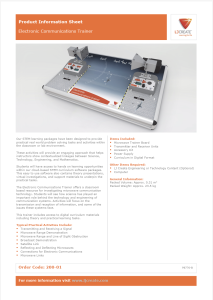
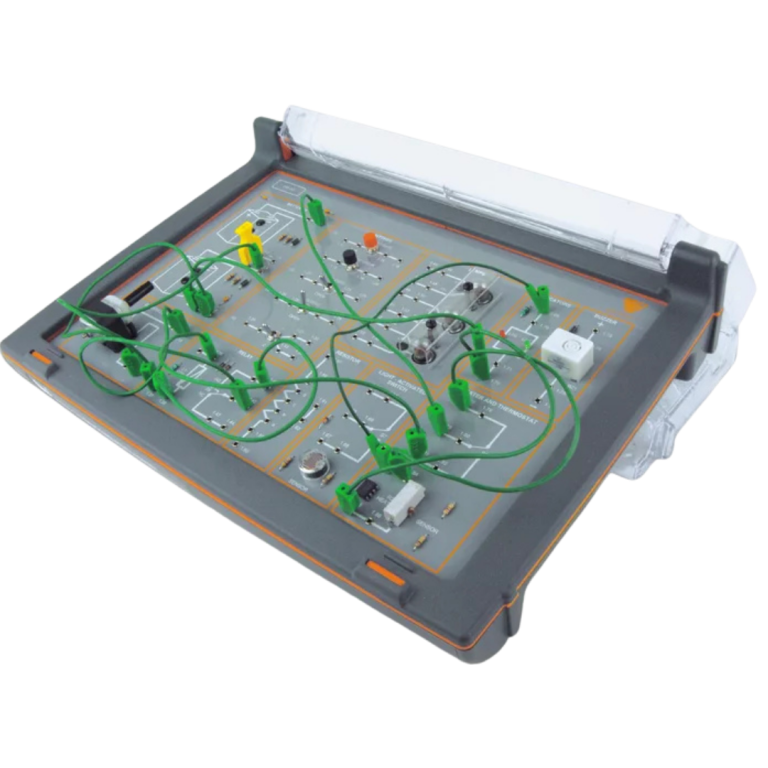
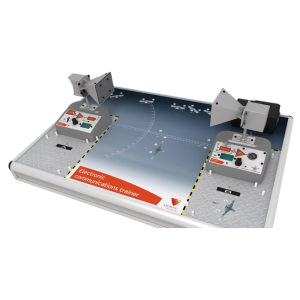
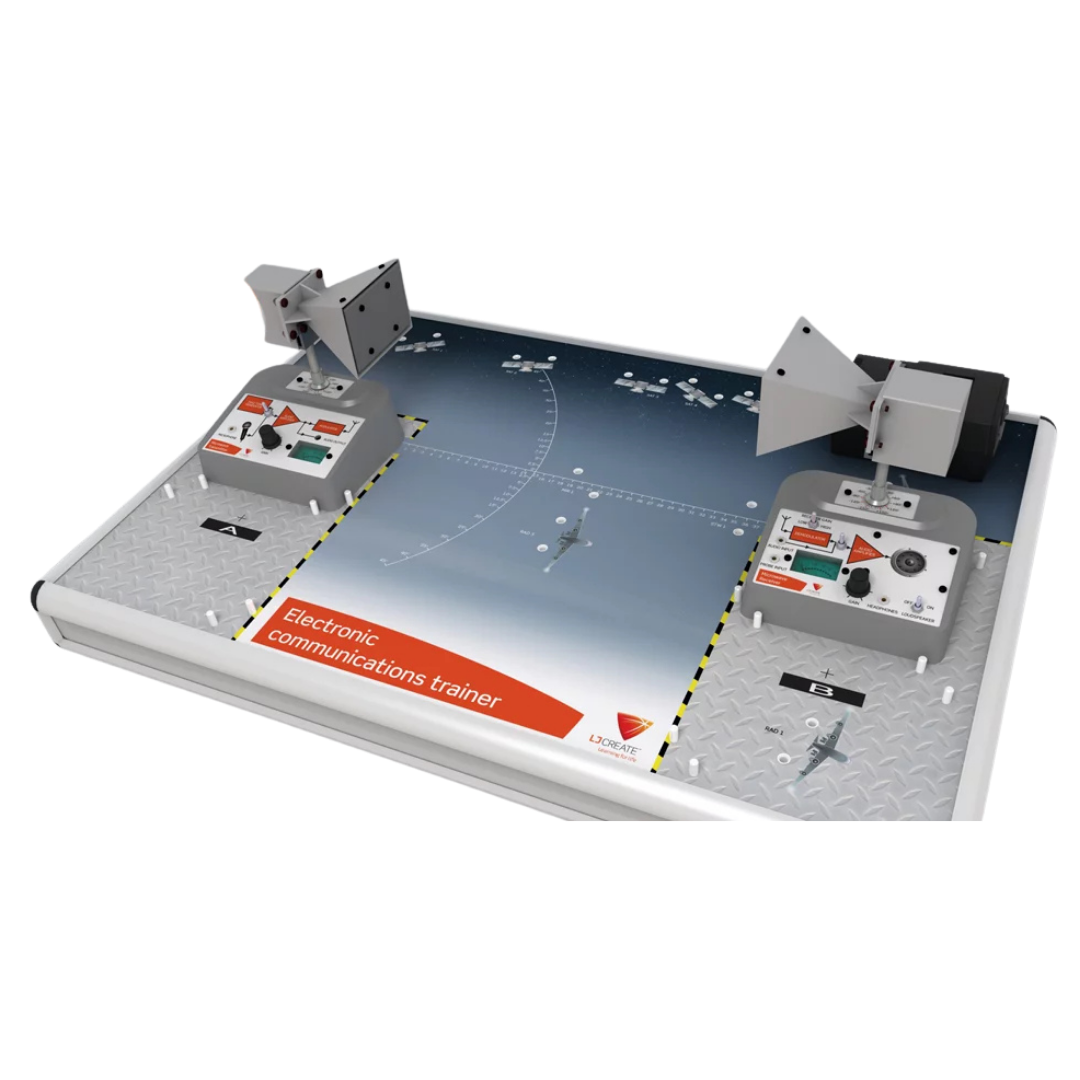
Introduce students to the fundamentals of modern electronic communication systems through hands-on experimentation and signal analysis. The Electronic Communications Trainer (200-01) helps learners explore how information is transmitted, processed, and received across analog and digital communication technologies.

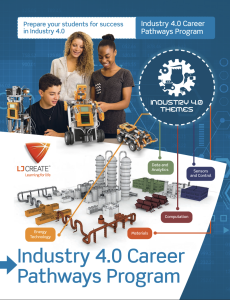
This communications learning system can be implemented as part of LJ Create’s Industry 4.0 Career Pathways program or as a standalone hands-on learning resource for your classroom.

- +

The Electronic Communications Trainer (200-01) provides students with a practical introduction to electronic communication principles used throughout modern technology systems. Through hands-on activities and guided experiments, learners investigate how signals are generated, transmitted, modulated, and received in real-world communication environments.

This trainer helps students understand both analog and digital communication concepts while building foundational technical skills in signal processing and system analysis.

Features

  • Hands-on electronic communications training system
  • Supports analog and digital communication concepts
  • Reinforces theory through practical experimentation
  • Ideal for STEM, electronics, and engineering programs

Using the Electronic Communications Trainer, students can develop skills in:

Signal Transmission and Reception

Understand how electronic signals are transmitted and received in communication systems.

Analog and Digital Communications

Explore the differences between analog and digital communication methods.

Modulation and Signal Processing

Investigate how signals are modified and processed for communication applications.

Electronic Circuit Analysis

Analyze communication circuits and system behavior.

Troubleshooting and Diagnostics

Develop systematic troubleshooting skills for communication systems and electronic circuits.

Curriculum & Program Integration

This trainer aligns with LJ Create’s Industry 4.0 Career Pathway Program, allowing schools to integrate it into a larger, structured learning pathway focused on modern manufacturing, construction, IT, and more.

The curriculum for this learning system includes:

  • Hands-on training experiments and activities
  • Interactive online curriculum and instructional resources
  • Teacher support materials and guided learning content

LJ Create trainers can be implemented as standalone learning systems or combined into larger pathway-based programs to support scalable STEM and technical education initiatives.

Electronic Communications Trainer (200-01) Product Details

System Includes

  • Microwave trainer board
  • Transmitter and receiver units
  • Accessory kit
  • Power supply
  • Curriculum in digital format

Requirements:

  • Computer


What is the Industry 4.0 Program?

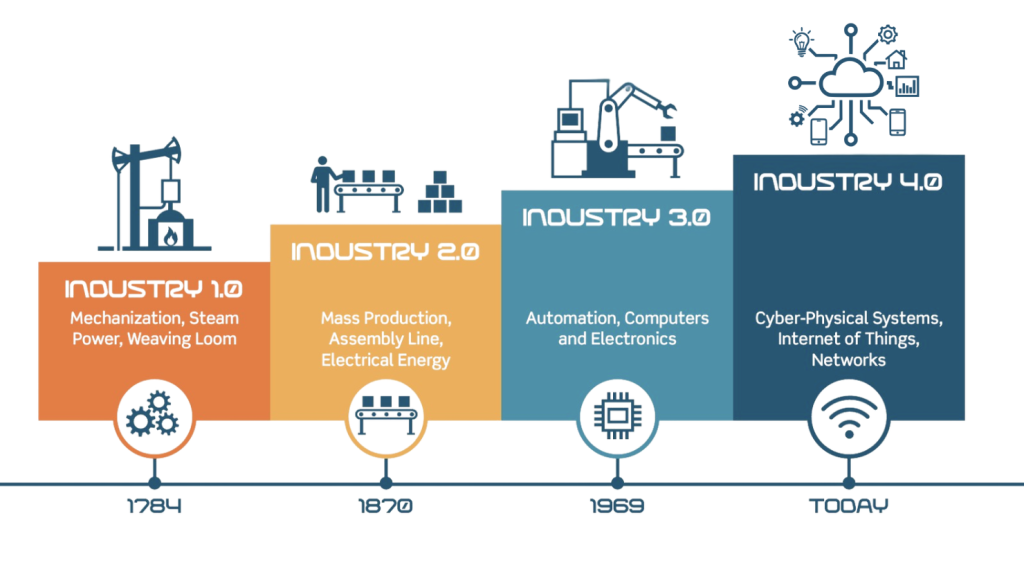
The Industry 4.0 course allows students to explore concepts such as sensors and control, data analytics, and the efficient utilization of resources. Industry 4.0 is the name given to the ongoing revolution and innovation in the automation of industry, using smart technologies.

Prepare your students for success in  Industry 4.0

The Industry 4.0 course allows students to explore concepts such as sensors and control systems, data analytics, and efficient resource use. Through their exploration of Industry 4.0 concepts, they’ll explore skills and topic areas like: industrial equipment, smart sensors and devices, control systems, connectivity and networking, and data analytics. 

The program is designed to provide students with the skills and expertise they need to succeed in high school, college, industrial skills programs, and industry certification courses. Each course has full implementation support, including everything an instructor needs for success:

Teaching Resources

eLearning and Virtual Trainers

Hands-on Projects

Start with the Career Pathways Core

The Industry 4.0 Career Pathways Program begins with the Career Pathways Core to give students a foundation in Industry 4.0 concepts before they explore specific industry sectors. 

In this 45-hour course, students build essential skills they will use throughout their learning experience, including:

  • Industry 4.0 Fundamentals
  • Tools and Safety
  • Data and Measurement 
  • Engineering Design
  • Electrical Systems
  • Mechanical Systems
  • 3D Printing

Build a Foundation in Industry 4.0 and STEM concepts

The Industry 4.0 program is designed to give students a foundation in how Industry 4.0 and STEM concepts are applied in career pathways and then develop their knowledge and skills in specific industry sectors. Each career pathway includes 40-50 lessons.

In this course, students will investigate how beams are used in construction and design a series of beams using different materials. Students will use simulation tools to model electronic circuits and develop an electronic home security system. Renewable energy generation and energy use in modern buildings are also explored. Topics explored include:

  • Construction Technology
  • Building Technology
  • Electronic Systems
  • Electrical Technology 
  • Energy Technology

This course explores the impact of medical advances on society like sanitation and vaccination. Students will investigate genetic engineering and medical scanning as examples of biomedical technology. The basic principles of health science and the major systems of the human body are also covered in this course. Topics explored include: 

  • Biomedical Technology
  • Biochemistry and Food
  • Health Science
  • Human Health

This course explores techniques for algorithm development, including the use of flowchart design and pseudocode. Students will develop and test programs to control a range of robotic systems. They also investigate security and privacy considerations when using IT in the workplace. Topics explored include:

  • Computer Science
  • Communications Technology
  • Programming Robots
  • Working with IT

This course investigates how products are manufactured through the processing of materials. Students will explore the process of injection molding plastics and design and produce a series of injection molded products. Exploration of the machine tools used to manufacture products is covered, including lathes, mills, and CNC technology. Topics explored include:

  • Manufacturing Technology
  • Machine Tools
  • Rapid Manufacturing
  • Industrial Robotics

This course explores applications of mobile robotic systems. Students will also investigate the concepts of warehousing and logistics, including supply chain logistics and methods of transporting goods. Investigation of PLC-based industrial control systems and ladder logic programming is also covered. Topics explored include:

  • Mobile robotics
  • Introduction to Logistics and Warehousing
  • Industrial Control

In this course, students will investigate the development of transportation technology and its impact on society. The course explores the fundamental principles of transport technology and applies physical science concepts to design transportation systems. Students will also explore technological systems in modern vehicles, including hybrid and electric vehicle technology. Topics explored include:

  • Transportation Technology
  • Introduction to Automotive Systems
  • Hybrid and Electric Vehicles

This course investigates the development of agricultural technology and its impact. Students explore the application of biotechnology in agriculture and the use of control principles in agricultural systems. Students will also explore plant biology and investigate the importance of soil in agriculture. Topics explored include:

  • Agricultural Technology
  • Agricultural Science
  • Natural Resources

Career Pathways

Each course provides college and career readiness instruction for STEM pathways, like:

Agriculture Technology

Architecture & Construction

Business, Management & Administration

Health Science

Inforamation Technology

Manufacturing

Marketing, Sales & Service

Science, Technology, Engineering & Mathematics

Learn more about the Industry 4.0 Program

The full program includes 8 project-based courses. Each course includes:

  • Equipment requirements
  • Support notes
  • Typical careers
  • Learning objectives
  • Lessons
  • A Presentation to identify relevant career pathways
  • A set of lessons including theory presentations, hands-on practical activities, and investigations

With the Industry 4.0 Career Pathway Program, you can implement the full program, or just individual courses or trainers. The flexible structure allows it to fit well as a whole-class activity, as pod rotations, or even as supplemental curriculum for your class. 

More Complete Programs

 LJ Create has a variety of different program areas, including mechatronics, industry 4.0, engineering, automotive, and more!

Scroll to Top