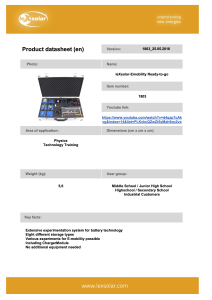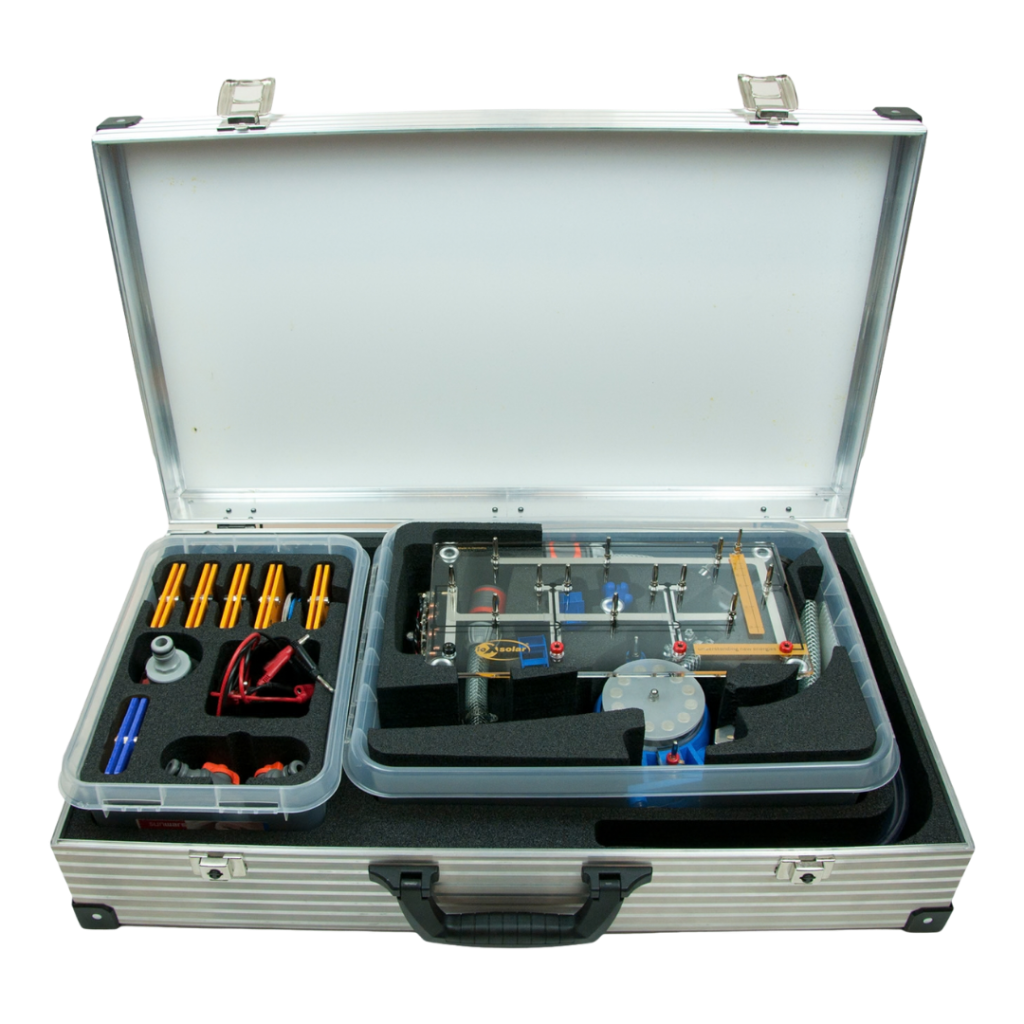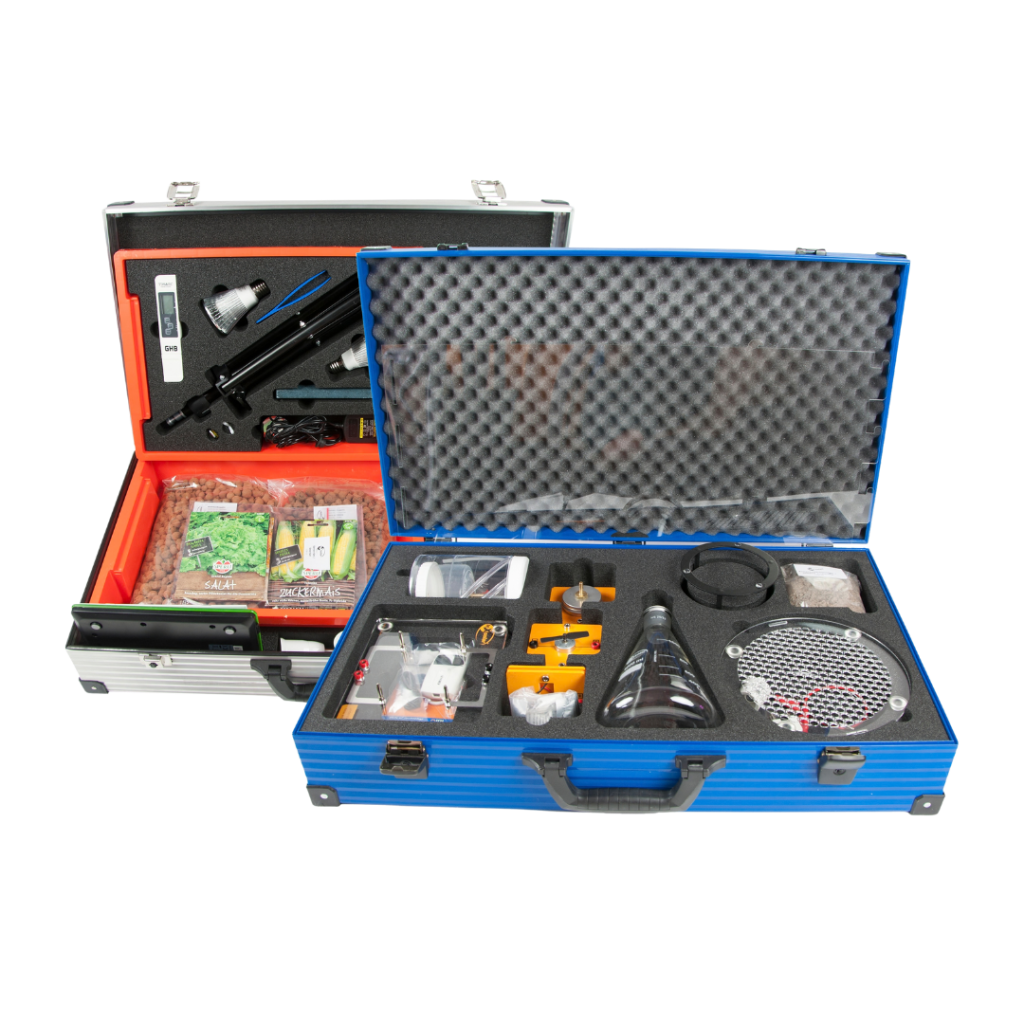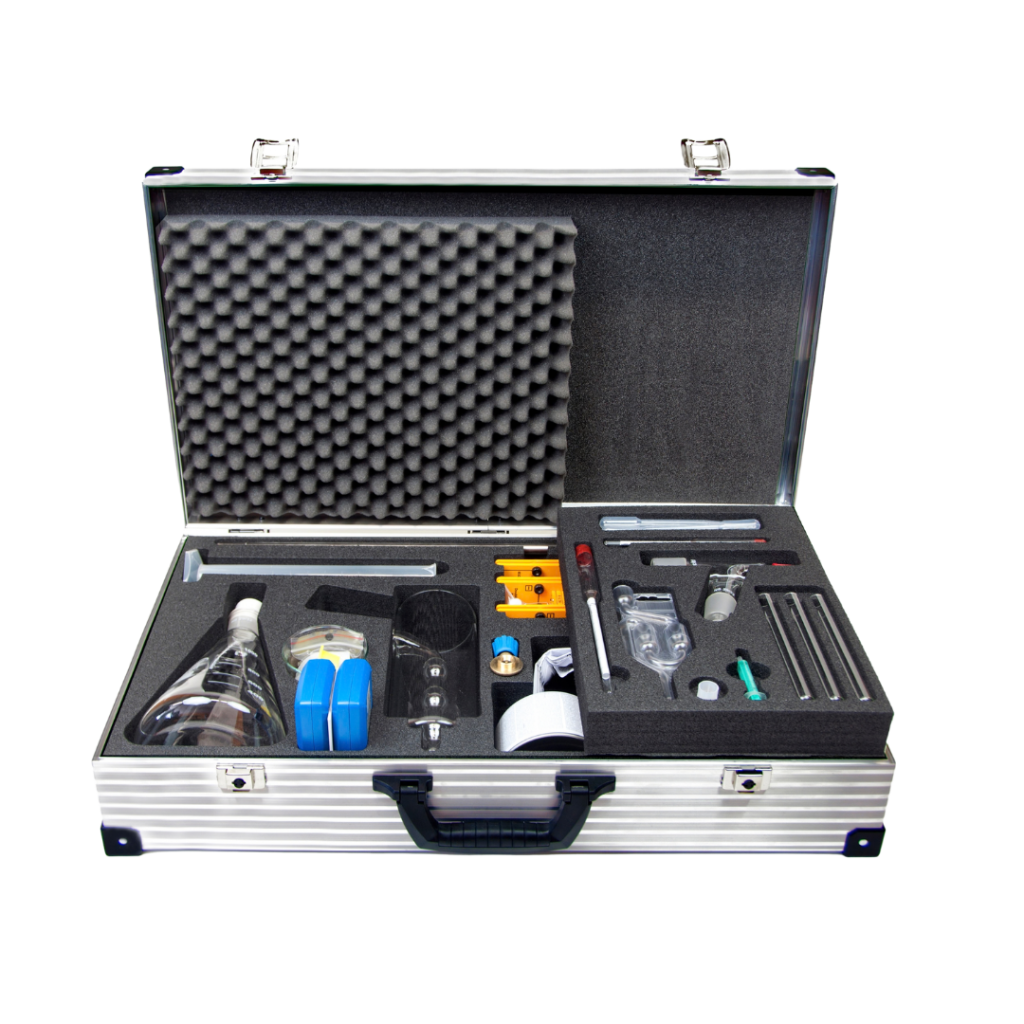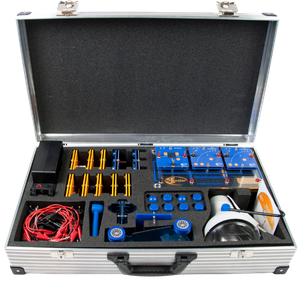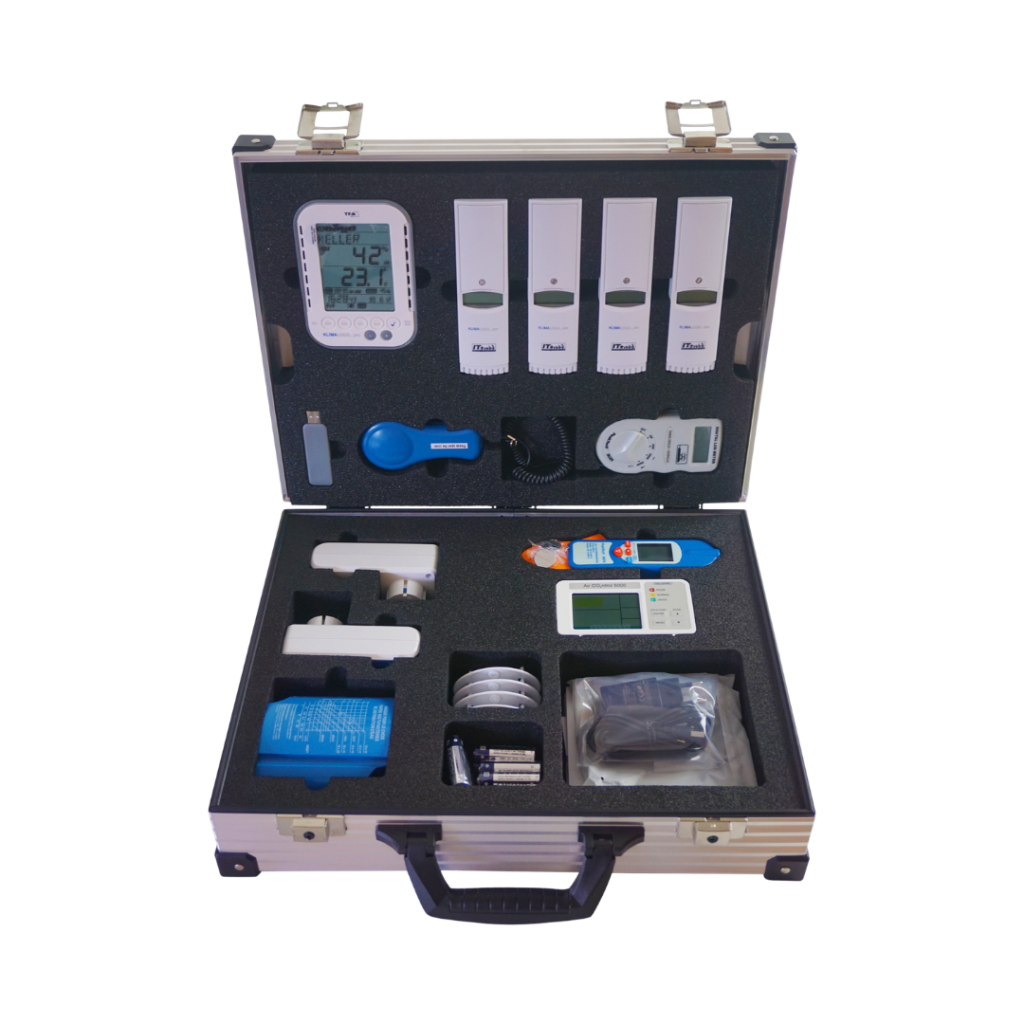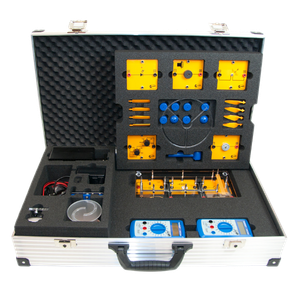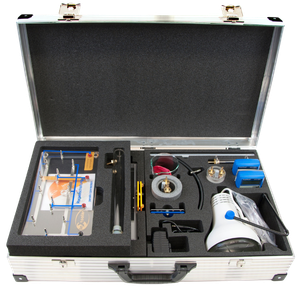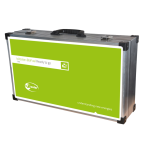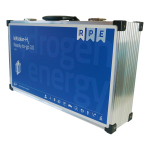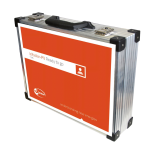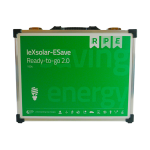
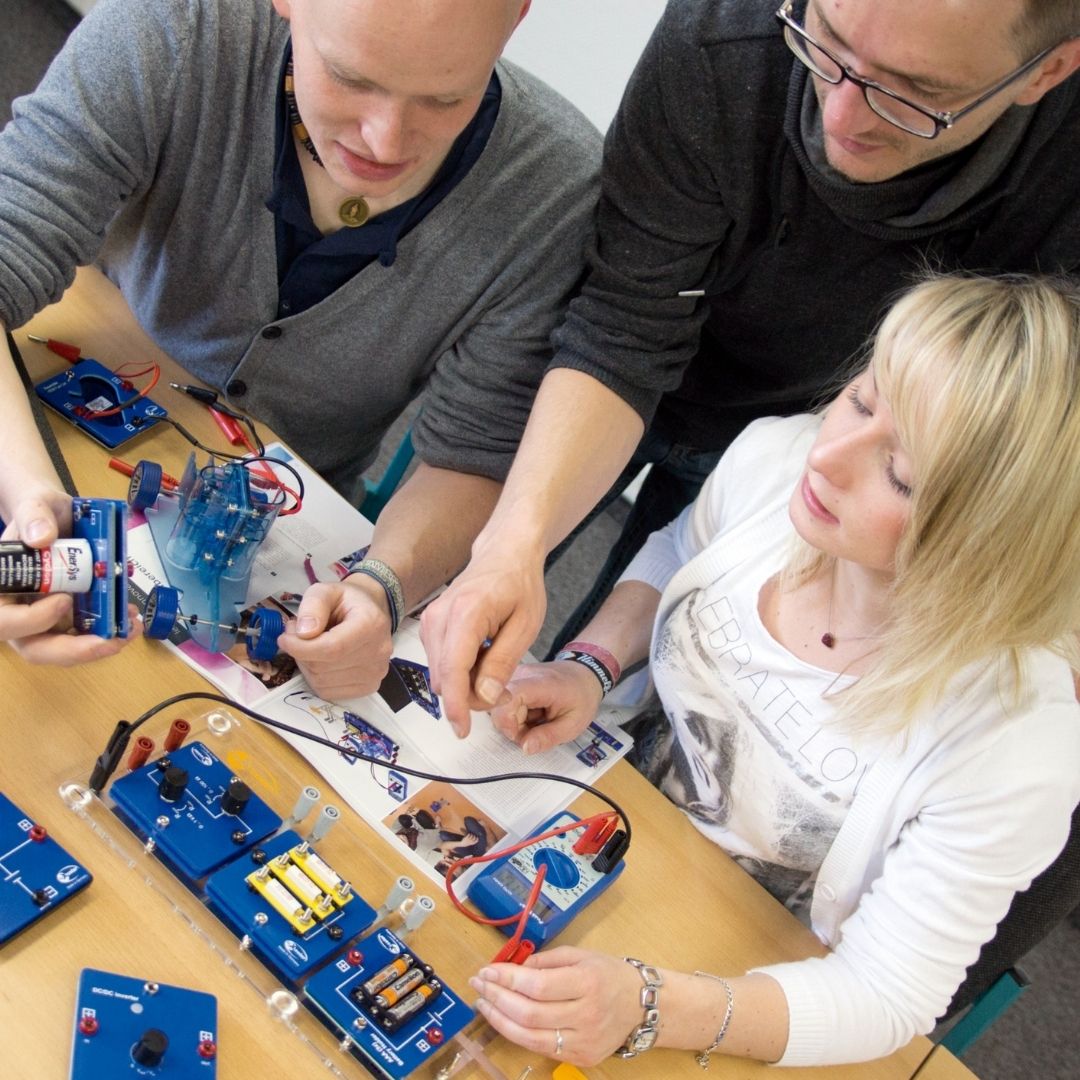

Batteries and energy storage systems are at the heart of electric transportation and many modern energy technologies. The EMobility Ready-to-go: Battery & Electric Vehicle Training Kit gives students a hands-on platform for investigating how different energy storage technologies operate, charge, discharge, and perform under real electrical loads.
Students can compare technologies including NiMH, NiZn, LiFePO₄, lead-acid, lithium-polymer, supercapacitor, and hydrogen fuel cell storage. Through qualitative and quantitative experiments, learners investigate characteristics such as nominal voltage, capacity, internal resistance, energy density, efficiency, charging behavior, and discharge performance.
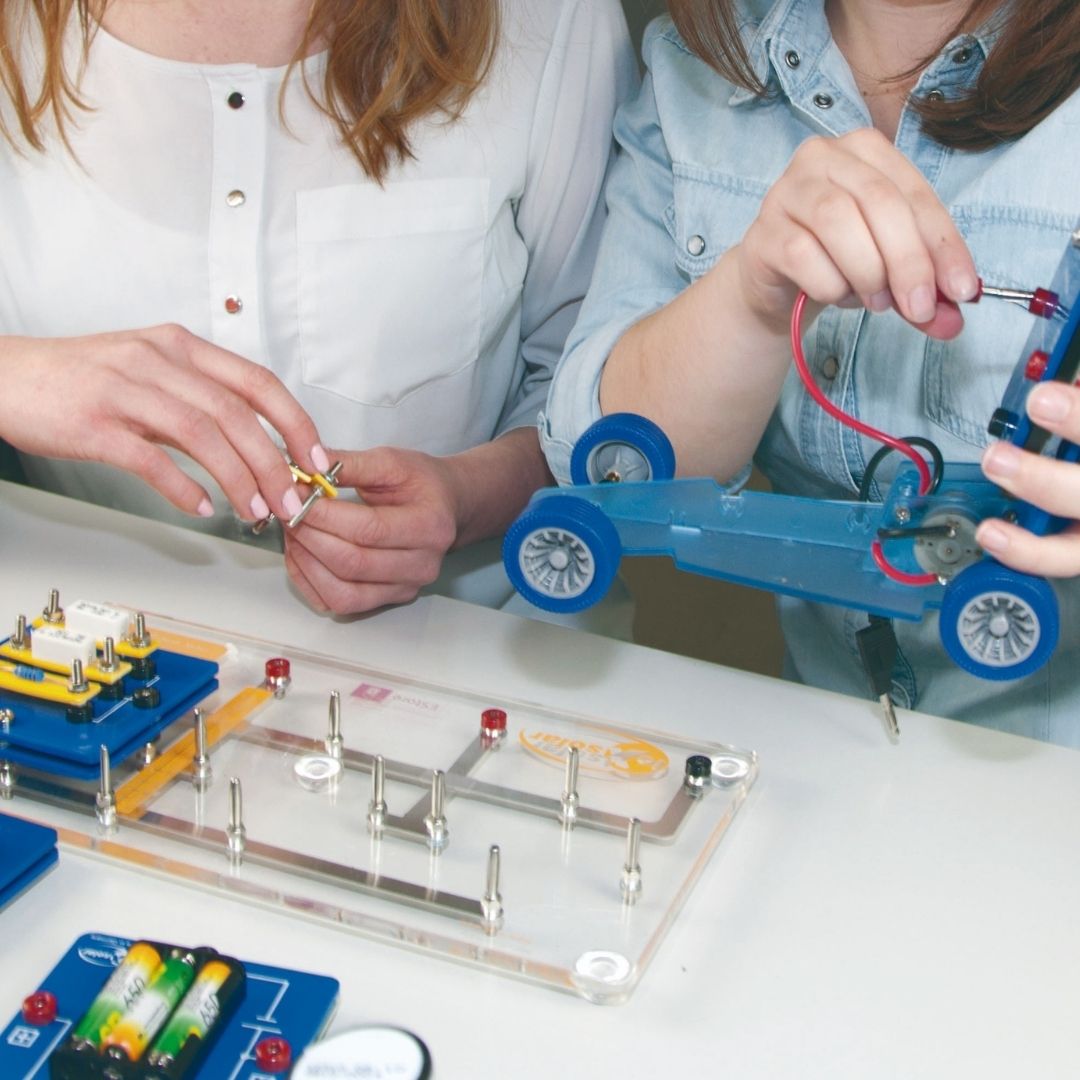
The included ChargerModule provides charging programs for the different storage technologies and enables students to investigate charging methods such as constant-current/constant-voltage and fixed-voltage or fixed-current charging. An electric model car connects these concepts directly to transportation, allowing students to test different battery technologies and a reversible hydrogen fuel cell as vehicle energy sources.
Features
- Compare multiple energy storage technologies including NiMH, NiZn, lead-acid, LiFePO₄, LiPo, supercapacitor, and hydrogen fuel cell systems.
- Investigate battery charging and discharging using the included ChargerModule and technology-specific charging programs.
- Analyze battery performance through experiments involving capacity, internal resistance, energy density, efficiency, and I-V characteristics.
- Explore hydrogen energy storage and fuel cells through hydrogen production, electrolyzer, efficiency, and fuel cell experiments.
- Apply energy storage concepts to electric mobility by powering the included electric model car with different battery technologies and a reversible fuel cell.
Battery Technology
Compare different battery chemistries and understand how their electrical characteristics influence performance and applications.
Battery Capacity & Energy Density
Investigate nominal voltage, capacity, and energy density to understand how different storage technologies compare.
Internal Resistance
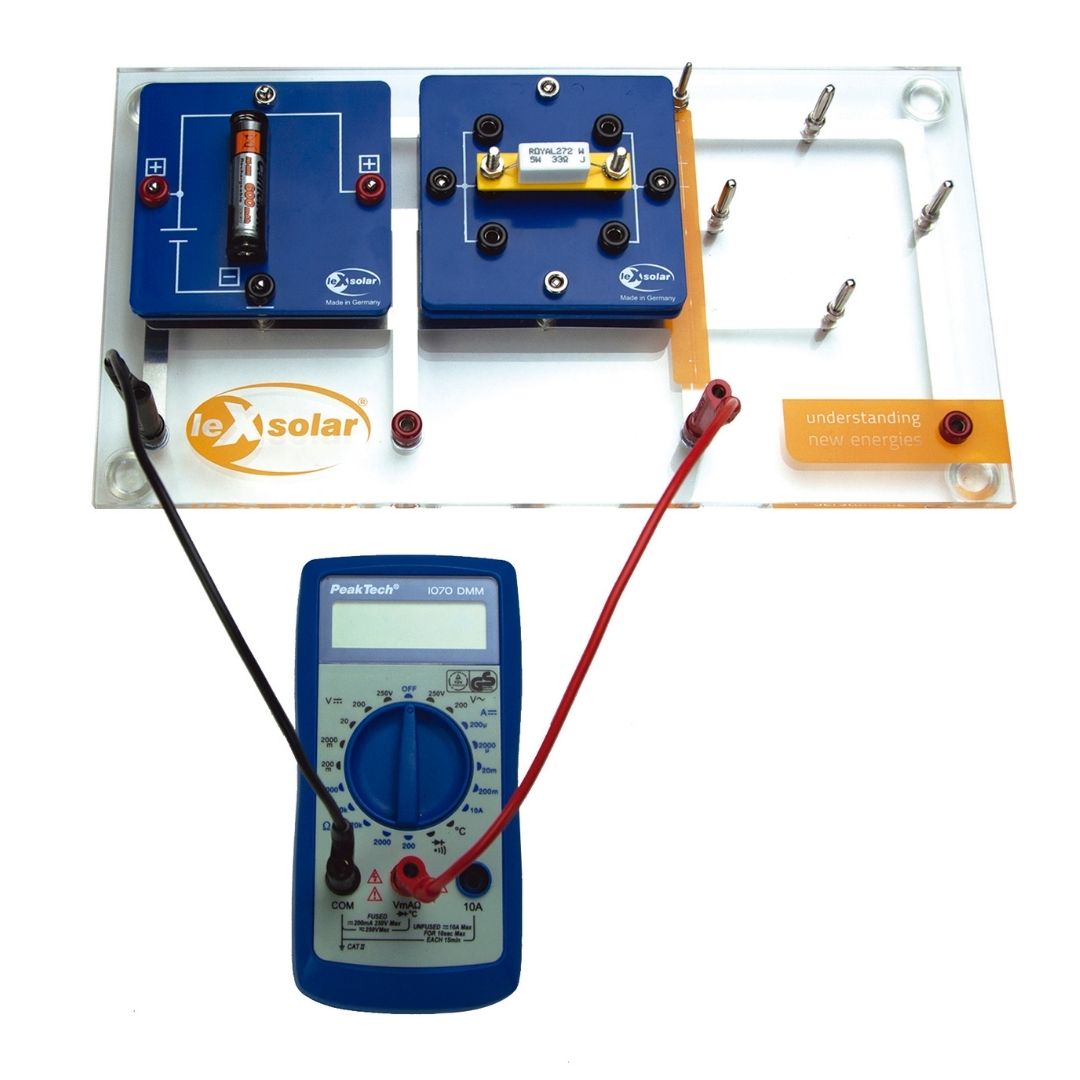
Use four-terminal sensing and electrical measurements to investigate the internal resistance of voltage sources.
Charging & Discharging
Explore charging and discharging behavior across multiple battery chemistries and energy storage technologies.
Battery Efficiency
Measure and compare internal resistance efficiency and total efficiency for battery modules.
Supercapacitor Energy Storage
Investigate the charging and discharging processes of a high-capacity supercapacitor and compare its behavior with battery technologies.
Hydrogen & Fuel Cells
Produce hydrogen with a reversible fuel cell, analyze electrolyzer and fuel cell characteristic curves, and investigate hydrogen consumption and efficiency.
Electric Mobility
Compare how different battery and fuel cell technologies perform when used as energy sources for an electric model car.
Program Integration
leXsolar’s portable green energy learning systems are designed to supplement classroom instruction with engaging, hands-on STEM investigations that connect scientific theory to real-world applications. Each system supports inquiry-based learning through structured experiments that encourage observation, measurement, analysis, and problem-solving.
Included educational resources support both students and instructors with:
- Hands-on experimental activities
- Student investigation guides
- Instructor manuals
- Experiment setup and implementation support
This flexible approach lets educators integrate hands-on learning into science, technology, engineering, energy, and career and technical education programs while reinforcing key curriculum concepts through experimentation.
EMobility Ready-to-go: Battery & Electric Vehicle Training Kit Product Details
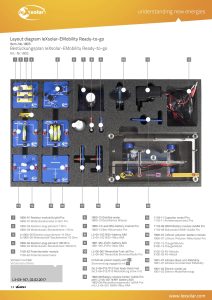
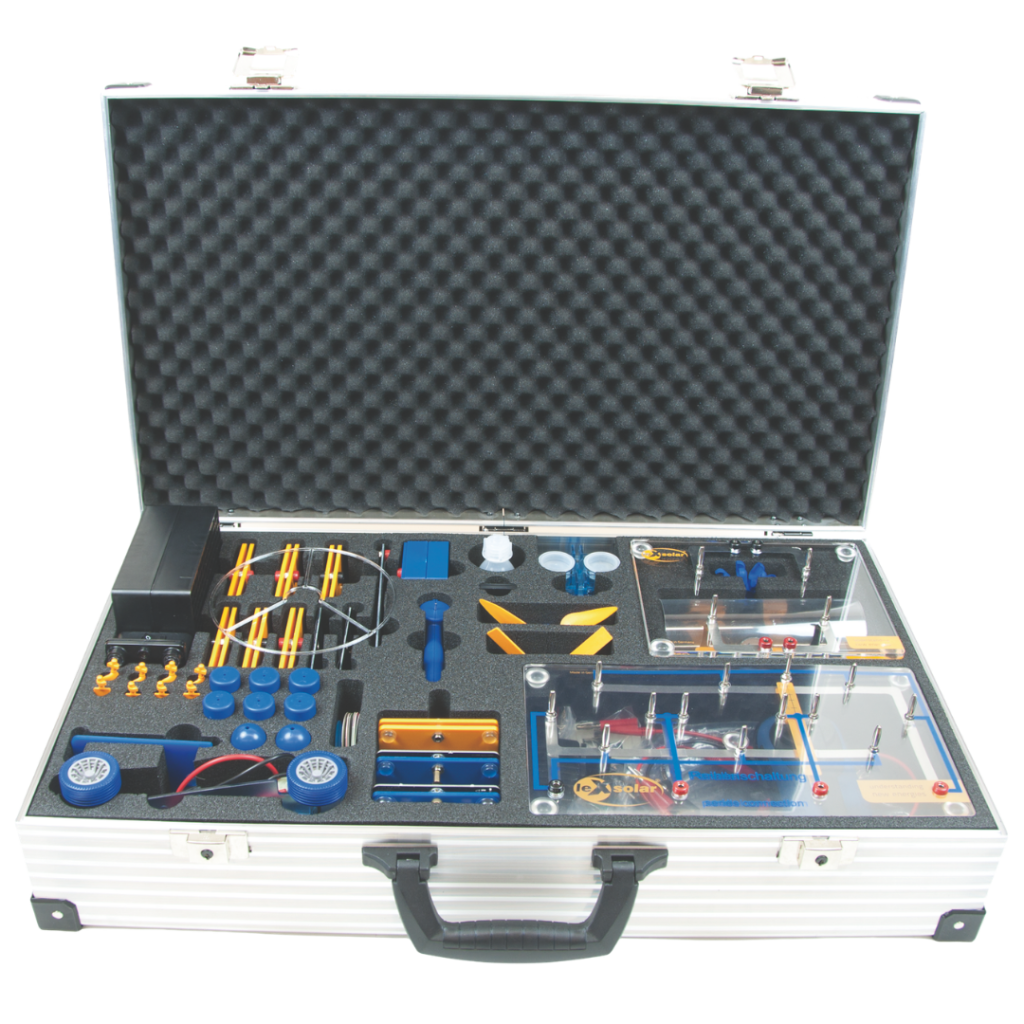
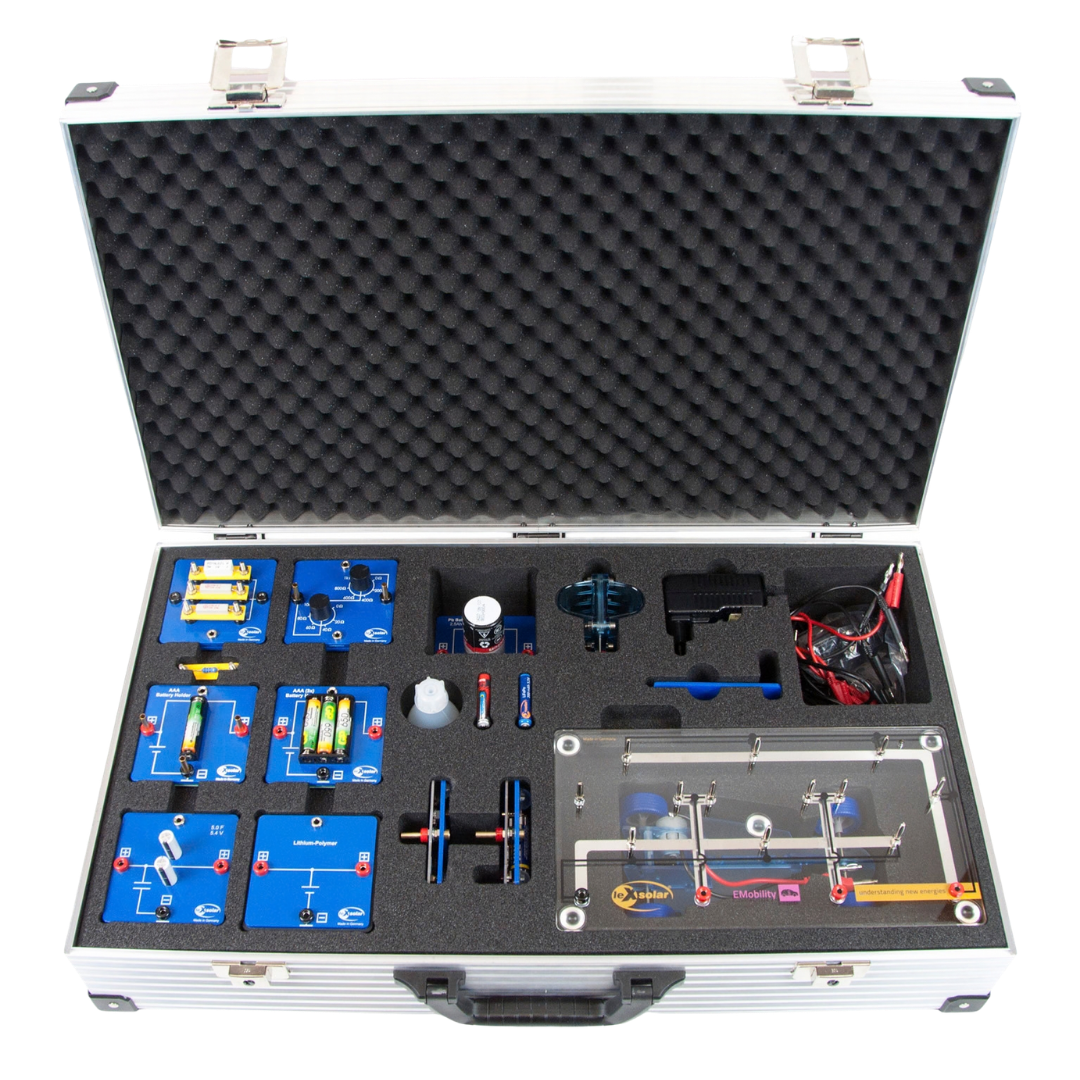
This battery, energy storage, and electric mobility training system includes:
- NiMH 3×AAA Battery Module
- NiMH AAA Battery
- NiZn AAA Battery
- LiFePO₄ AAA Battery
- Lithium-Polymer (LiPo) Battery Module
- Lead-Acid Battery Module
- Capacitor Module Pro
- Reversible Fuel Cell
- EMobility Base Unit
- Triple Resistor Module
- 1 Ohm Resistor Plug Element
- 100 Ohm Resistor Plug Element
- 2 × 10 Ohm Resistor Plug Elements
- Battery Module Holder
- Battery Adapter Cable
- Potentiometer Module
- ChargerModule
- AV Measurement Module
- Electric Model Car
- Distilled Water
- Test Leads
- Layout Diagram
- Startup Information
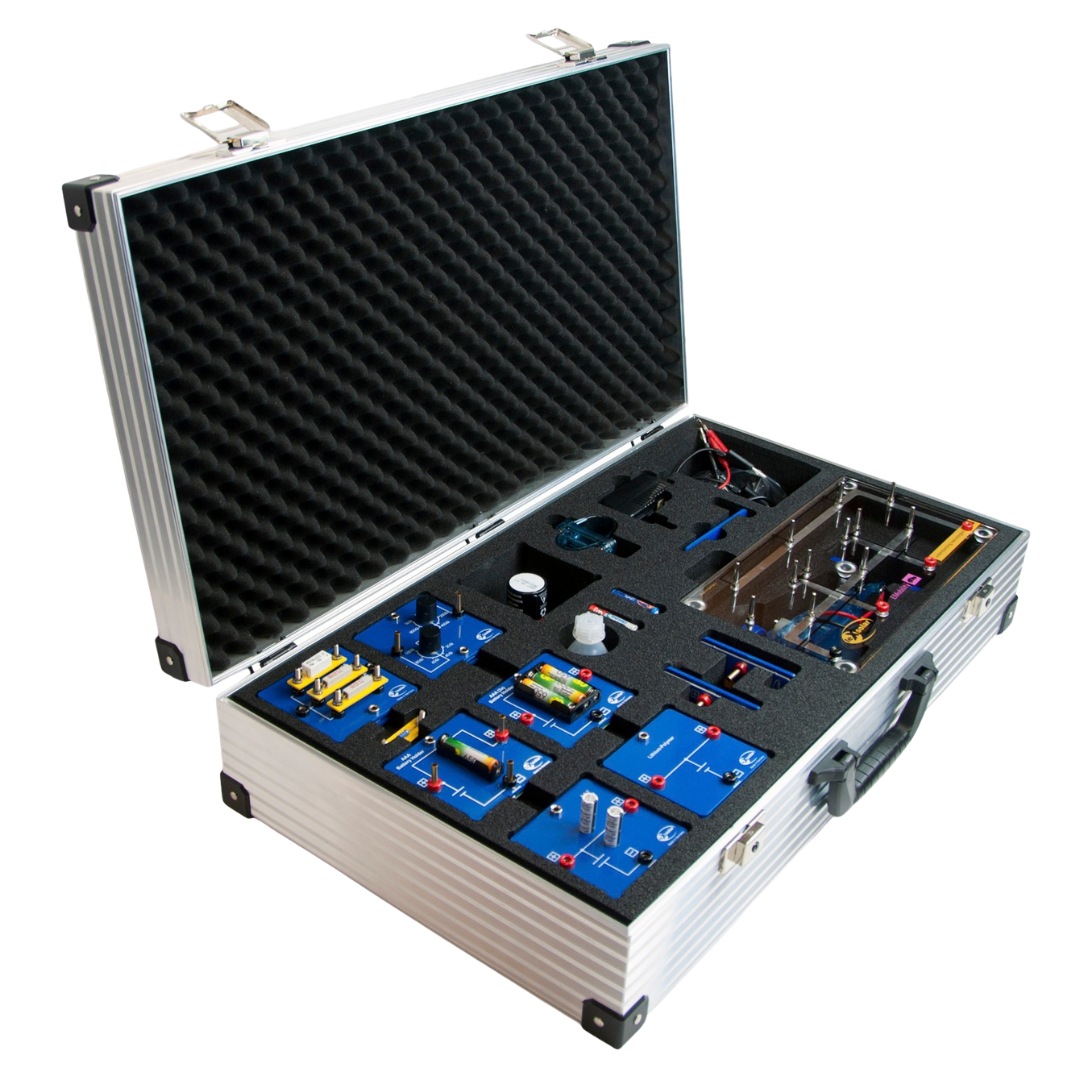
- Protective Carrying Case
Typical Practical Tasks
- Investigate Ohm’s Law
- Compare series and parallel resistor circuits
- Measure nominal voltage and capacity of voltage sources
- Perform four-terminal sensing measurements
- Determine the internal resistance of voltage sources
- Connect voltage sources in series
- Determine battery module capacitance
- Compare energy density across storage technologies
- Determine internal resistance efficiency
- Determine total battery efficiency
- Investigate temperature-dependent behavior of a lithium-polymer cell
- Measure supercapacitor charging and discharging
- Generate I-V characteristics for NiMH batteries
- Generate I-V characteristics for NiZn batteries
- Generate I-V characteristics for LiFePO₄ batteries
- Generate I-V characteristics for lead-acid batteries
- Generate I-V characteristics for lithium-polymer batteries
- Compare charging processes across different battery chemistries
- Analyze battery discharge behavior
- Produce hydrogen using the reversible fuel cell
- Generate an electrolyzer characteristic curve
- Measure hydrogen consumption by a fuel cell
- Generate a fuel cell characteristic curve
- Determine hydrogen fuel cell efficiency
- Operate the electric car using different battery technologies
- Operate the electric car using a reversible hydrogen fuel cell
Technical Specifications
- Weight: Approx. 12.3 lbs
- Supported Storage Technologies: NiMH, NiZn, lead-acid, LiFePO₄, LiPo, supercapacitor, and hydrogen fuel cell
- NiMH 3×AAA Battery Module Capacity: 600 mAh
- Supercapacitor Capacity: 5 F
- Supercapacitor Voltage: 5.4 V
- AV Module Voltage Measurement Range: 0-12 V
- AV Module Current Measurement Range: 0-2 A
- ChargerModule Fixed Voltage Outputs: 3 V and 6 V