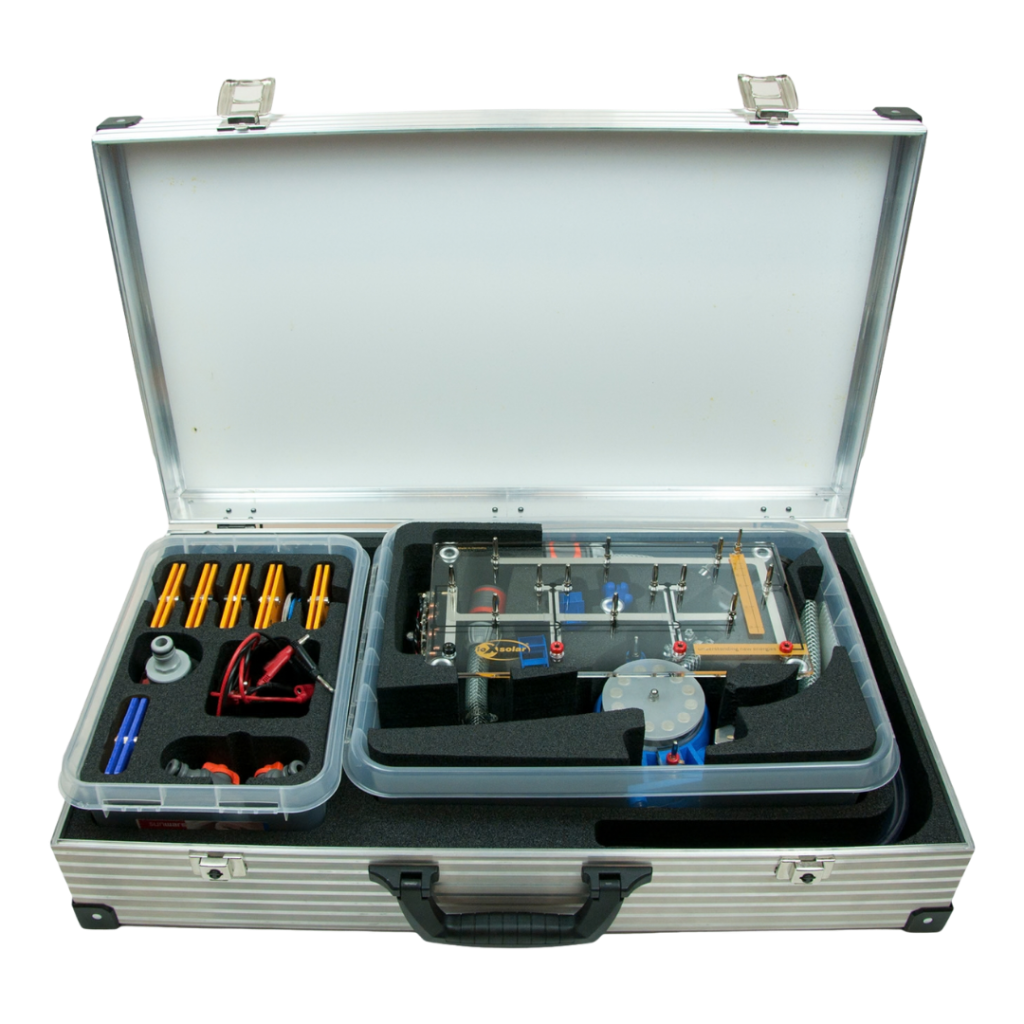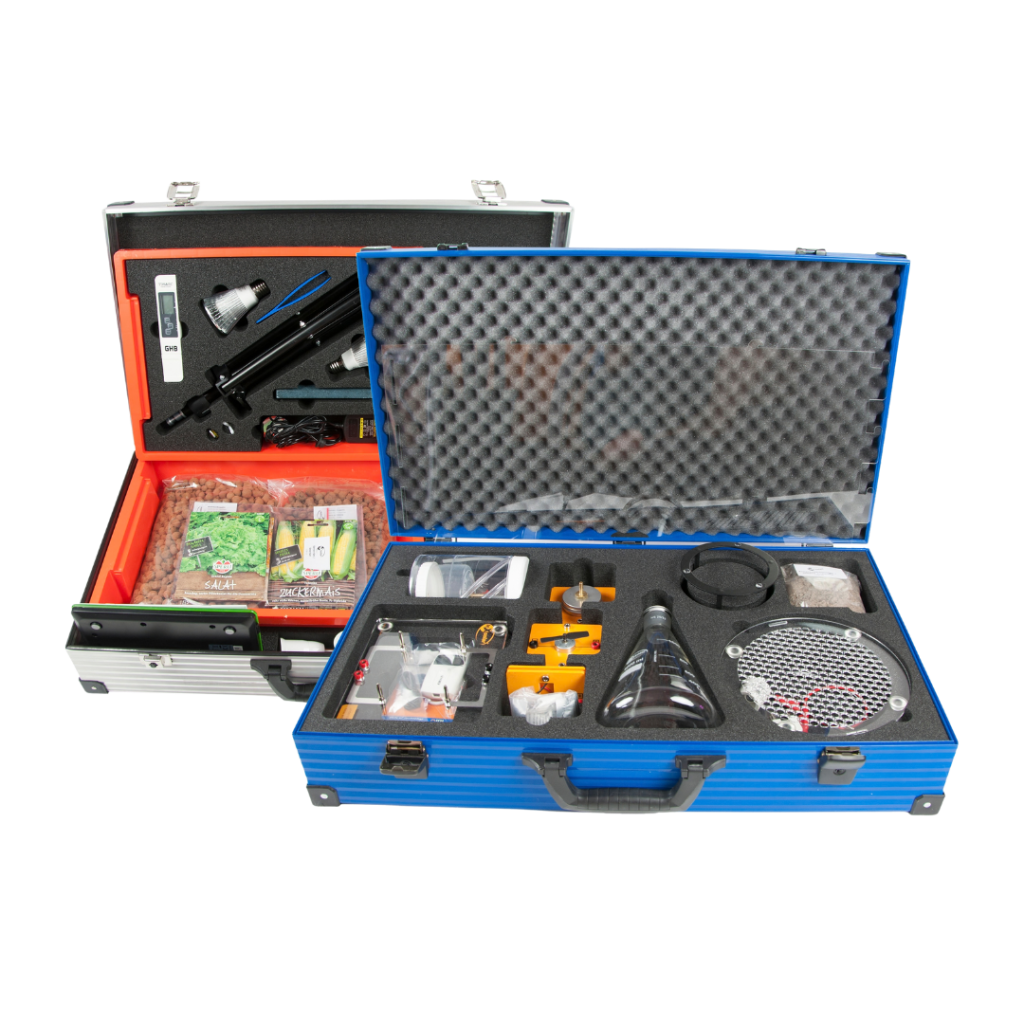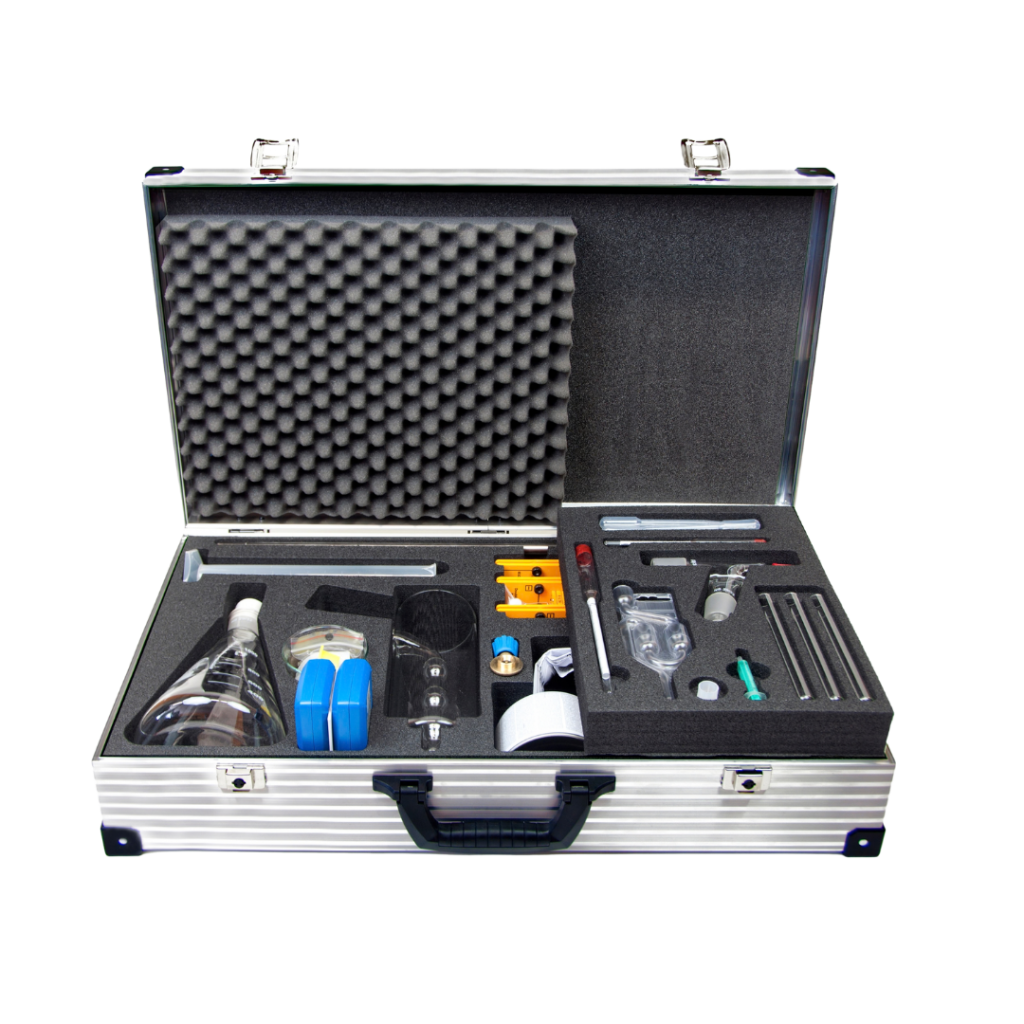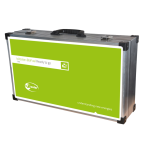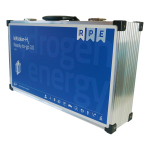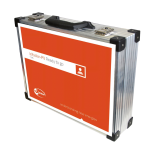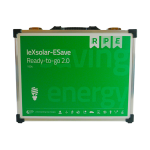
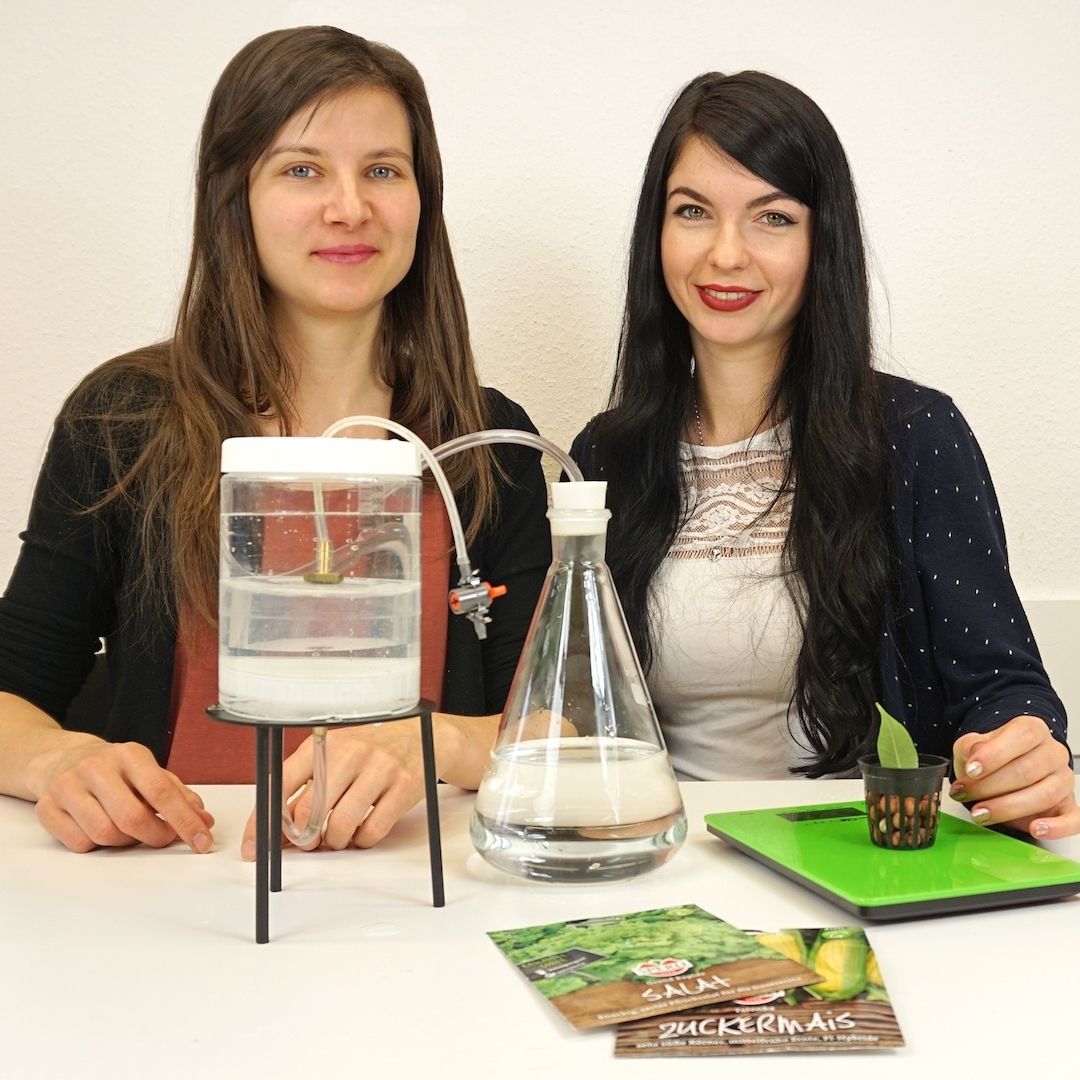
Bioenergy begins with biological resources, making it possible for students to investigate renewable energy from the growth of biomass through its eventual conversion into usable energy. The BioEnergy Ready-to-go: Biomass & Bioenergy Training Kit provides a hands-on system for reconstructing and studying this complete biomass cycle in the classroom.
Students begin by germinating seeds and cultivating plants using a hydroculture system. During different growth phases, learners can monitor variables such as water and nutrient consumption, electrical conductivity, and temperature while developing an understanding of the conditions required for biomass production.
The system then moves from biomass production to biomass utilization. Students investigate aerobic decomposition using a transparent composter and explore anaerobic processes that produce hydrogen and methane. Gas collection equipment allows the produced gases to be captured and examined, connecting biological processes with the energetic use of biomass and renewable fuels.
Features
- Explore the complete biomass cycle from seed germination and plant growth through decomposition and renewable energy production.
- Hands-on hydroculture system allows students to investigate plant growth, water consumption, nutrients, and cultivation conditions.
- Transparent composting system provides direct observation of aerobic biomass decomposition and related thermal processes.
- Investigate biogas production through anaerobic decomposition experiments that produce hydrogen and methane.
- Comprehensive measurement and cultivation equipment supports data collection throughout biomass growth and energy investigations.
Biomass & Bioenergy Fundamentals
Understand the biomass cycle and explore how biological materials can serve as renewable energy resources.
Seed Germination
Investigate the germination of plant seeds and the environmental conditions required for initial plant development.
Hydroculture & Plant Growth
Grow plants using hydroculture and investigate how water, nutrients, lighting, and other conditions influence biomass development.
Water & Nutrient Consumption
Monitor resource consumption throughout different stages of plant growth and relate those measurements to biomass production.
Aerobic Biomass Decomposition
Investigate the biological degradation of biomass through composting and observe changes that occur during aerobic decomposition.
Anaerobic Biomass Decomposition
Explore how biomass can be broken down without oxygen to produce energy-rich gases.
Biogas Production
Investigate the formation and collection of hydrogen and methane through biological processes.
Measurement & Analysis
Use conductivity and temperature measurements, timers, and other instruments to collect and analyze data throughout biomass investigations.
Program Integration
leXsolar’s portable green energy learning systems are designed to supplement classroom instruction with engaging, hands-on STEM investigations that connect scientific theory to real-world applications. Each system supports inquiry-based learning through structured experiments that encourage observation, measurement, analysis, and problem-solving.
Included educational resources support both students and instructors with:
- Hands-on experimental activities
- Student investigation guides
- Instructor manuals
- Experiment setup and implementation support
This flexible approach lets educators integrate hands-on learning into science, technology, engineering, energy, and career and technical education programs while reinforcing key curriculum concepts through experimentation.
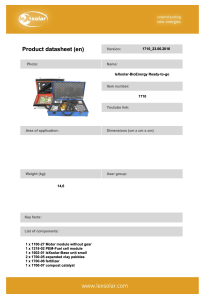
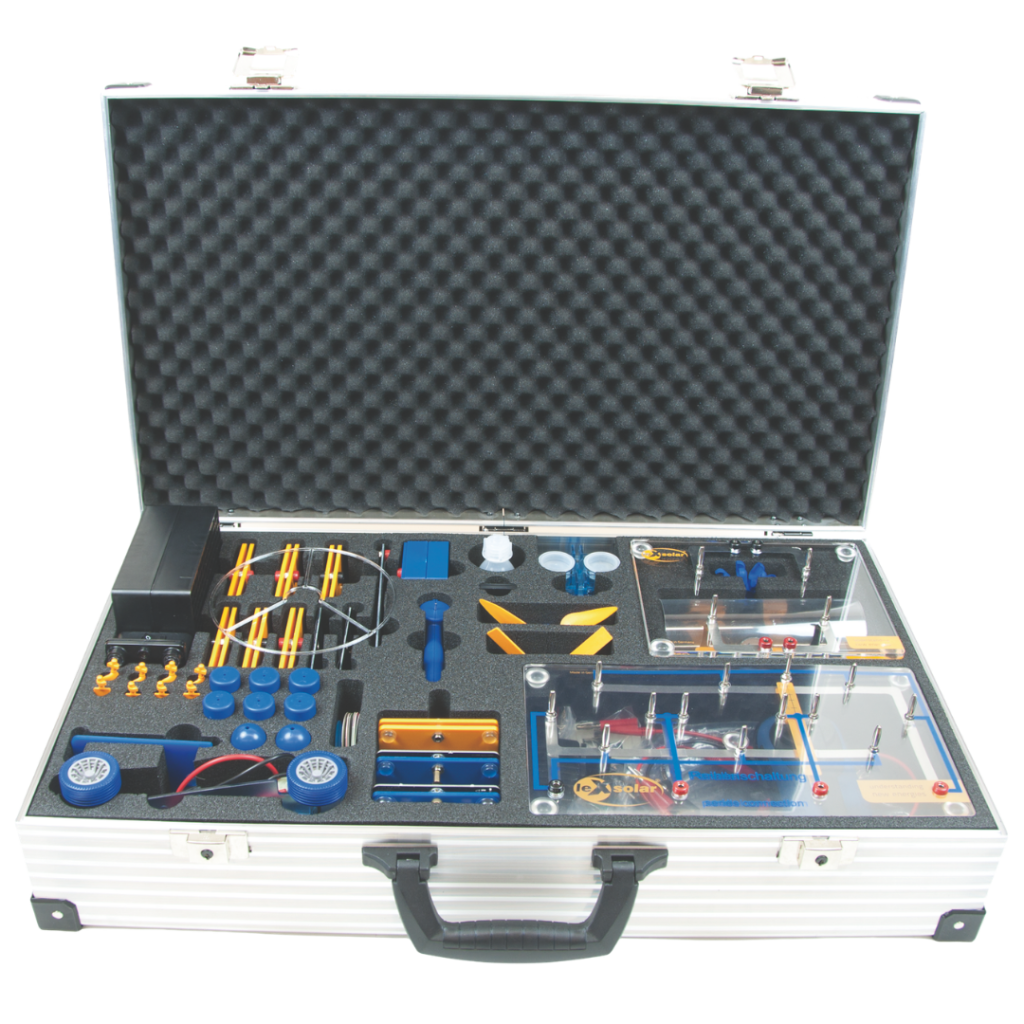
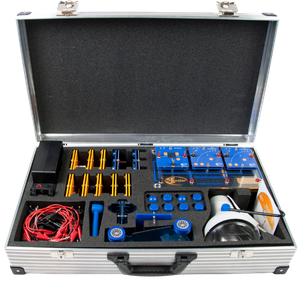
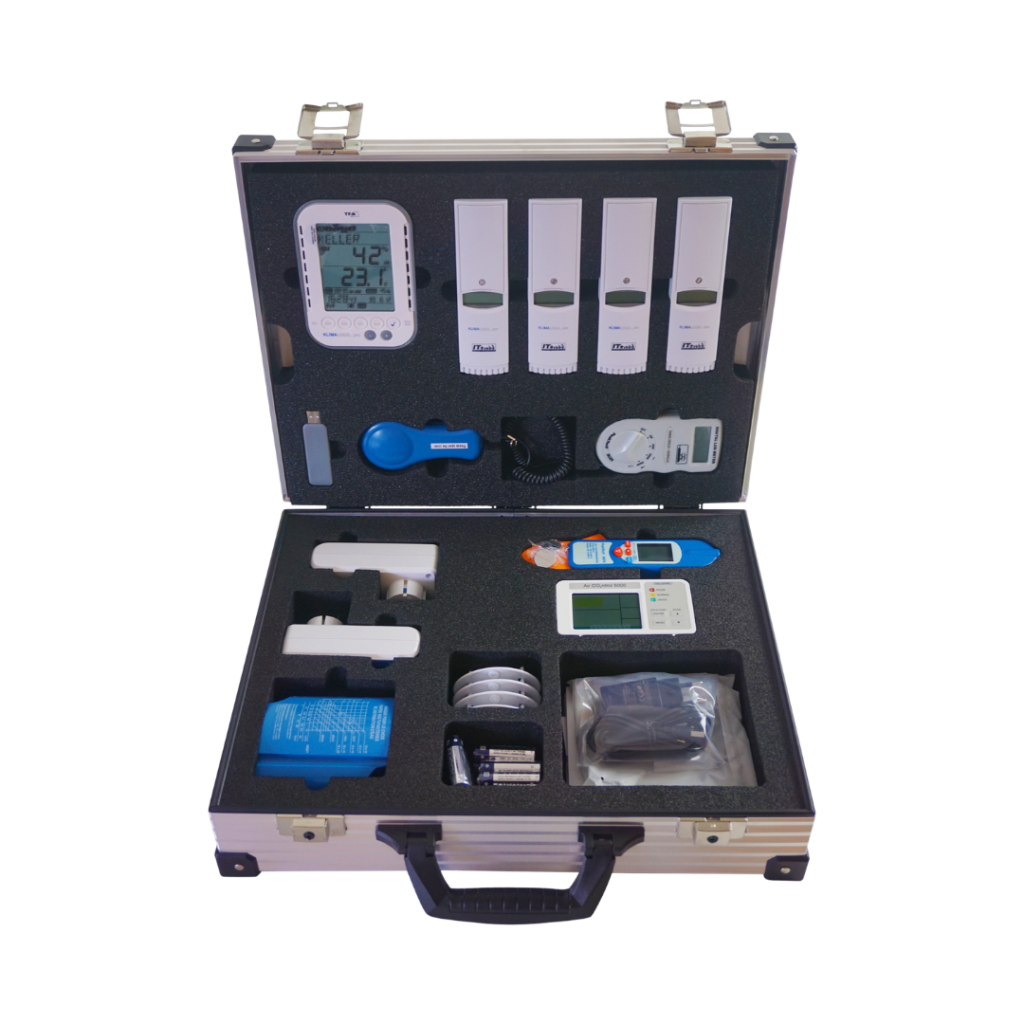
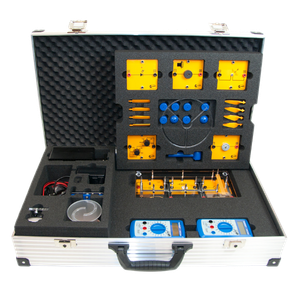
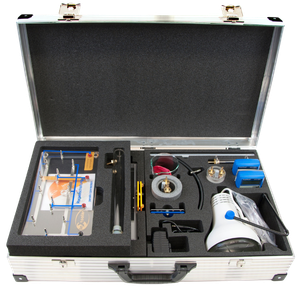
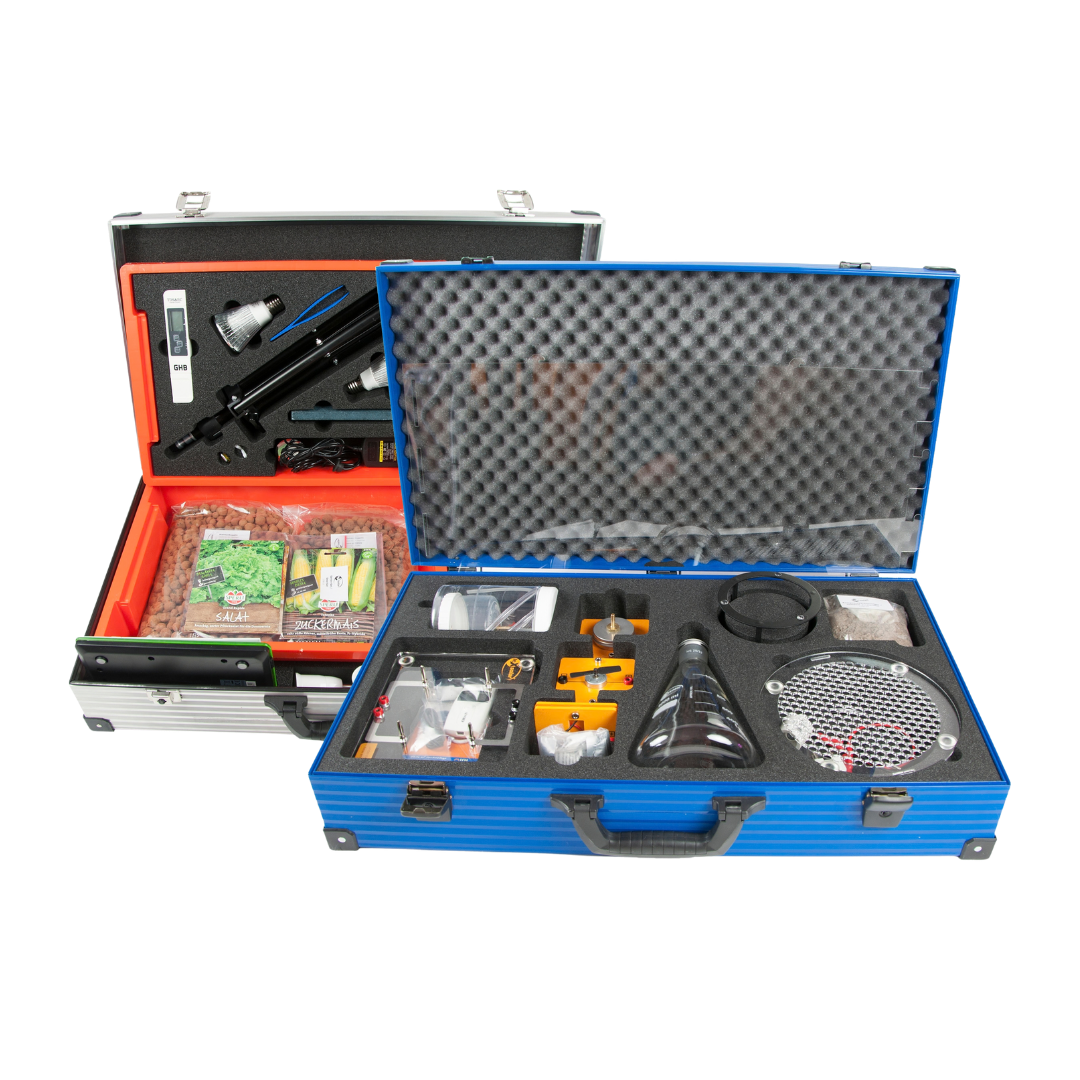
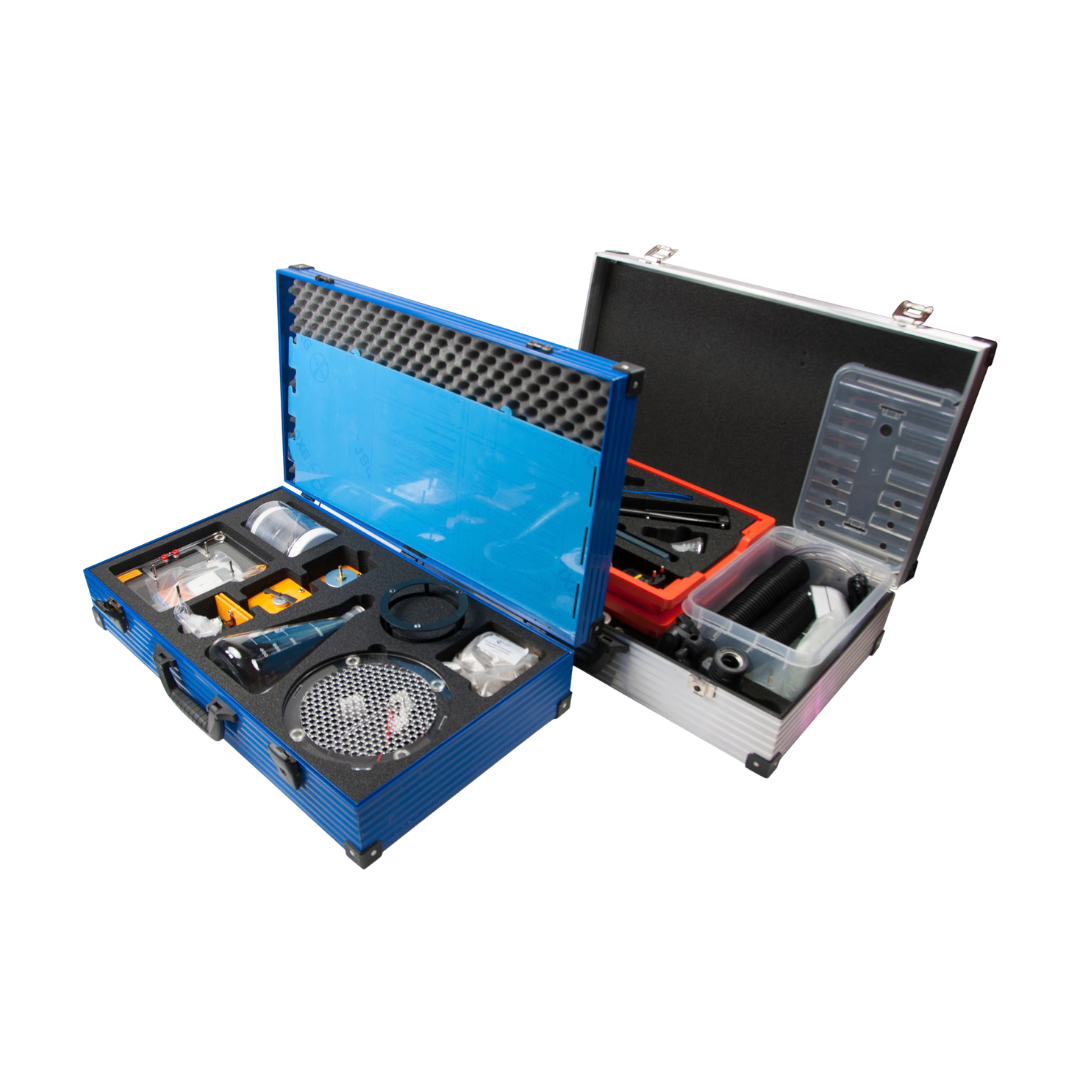
BioEnergy Ready-to-go: Biomass & Bioenergy Training Kit Product Details
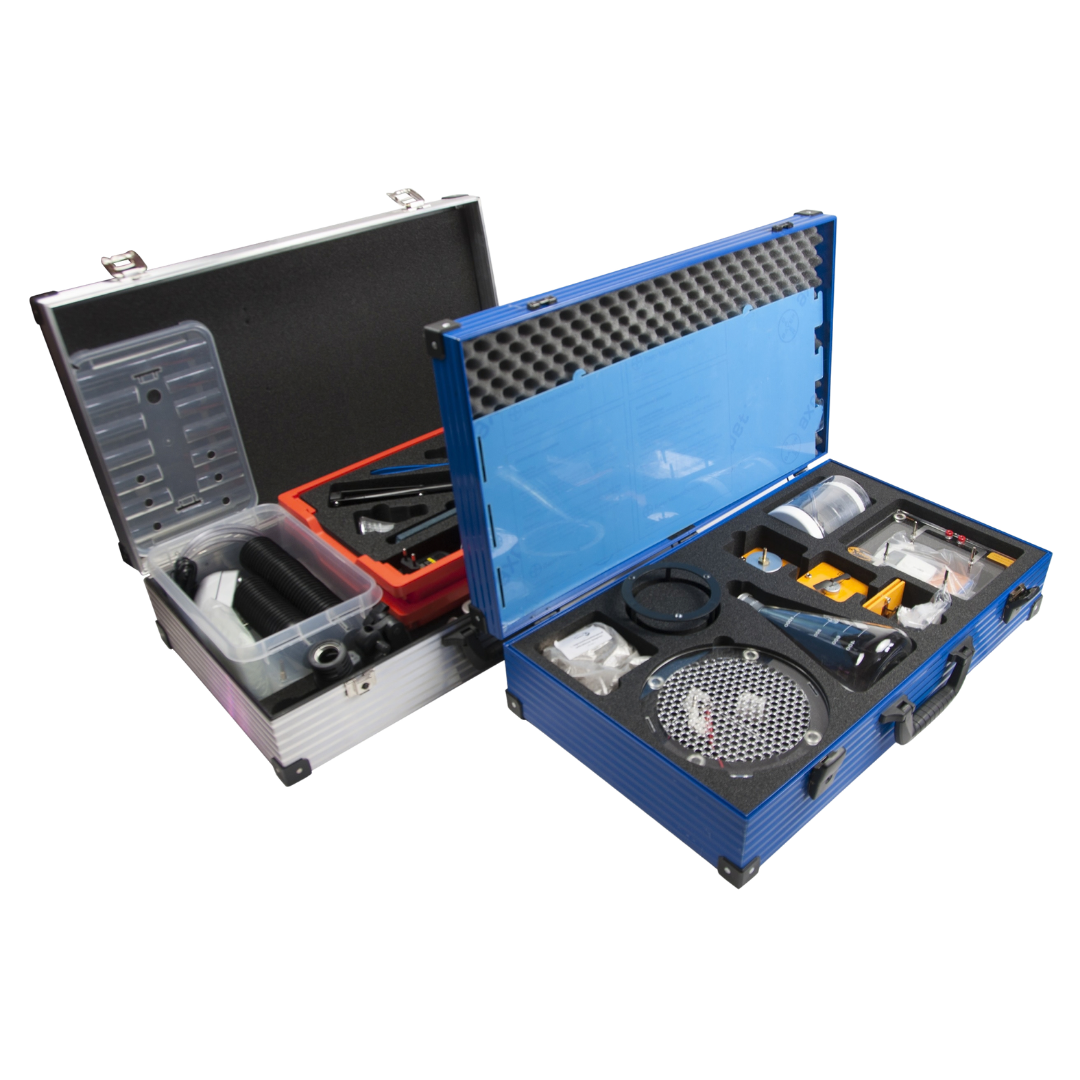
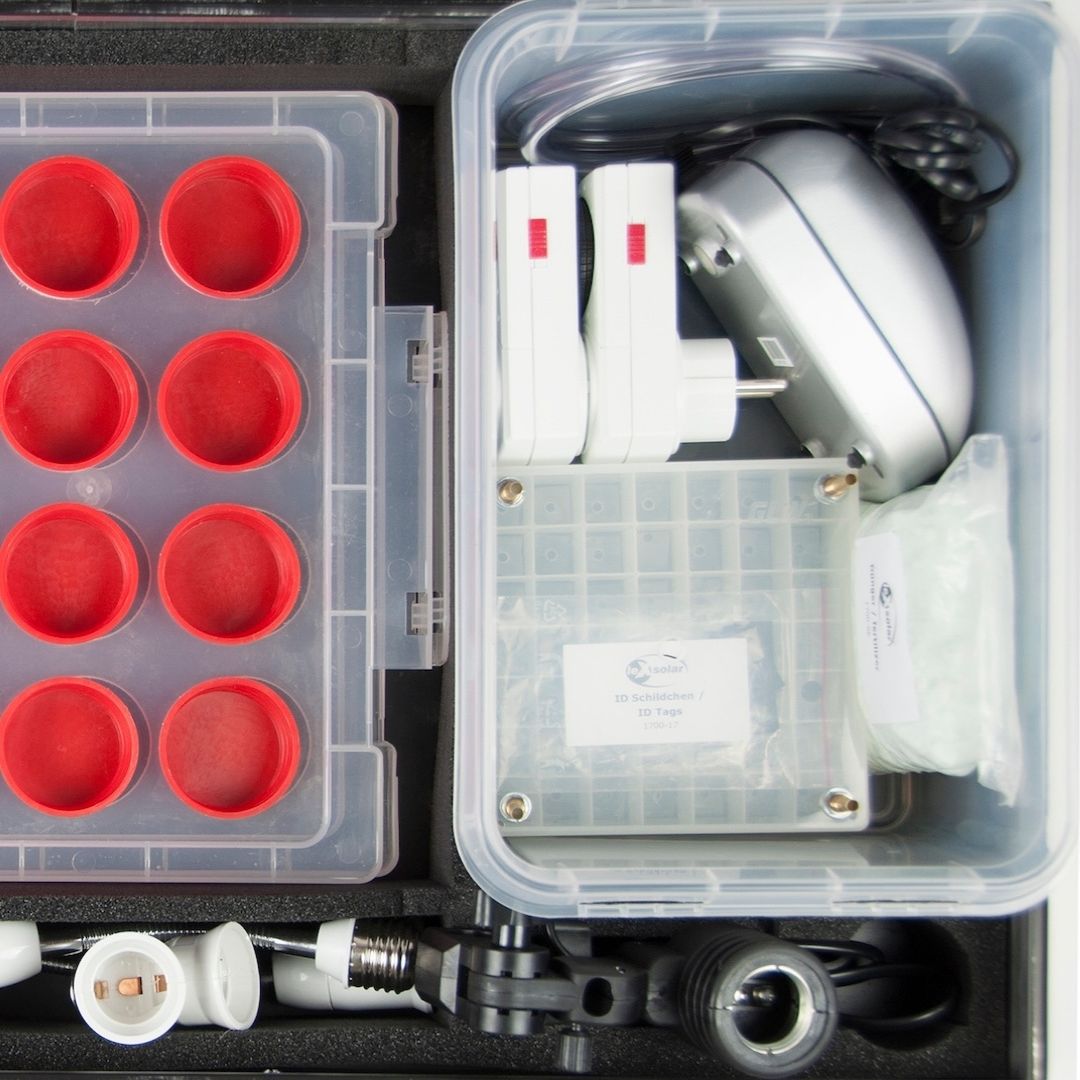
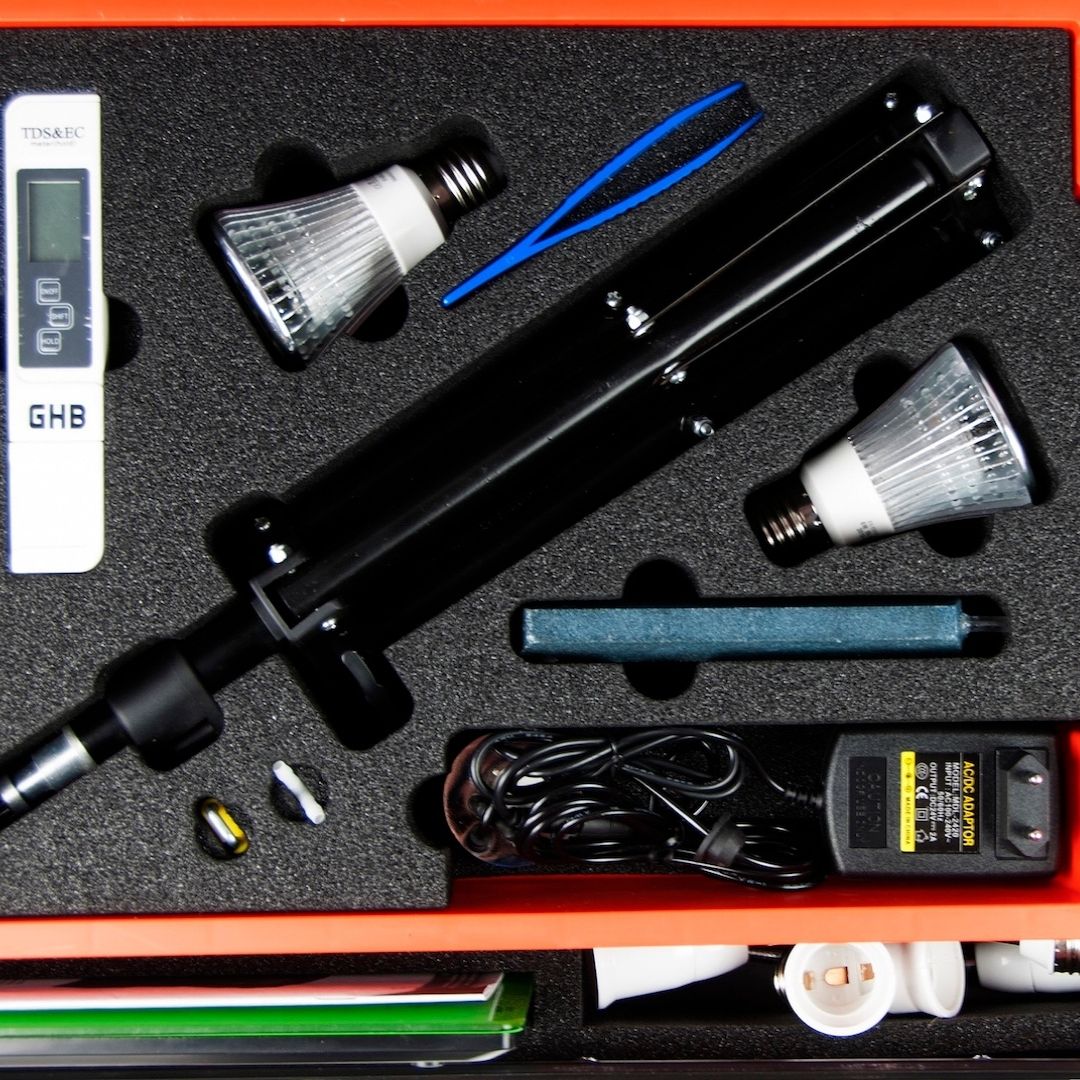
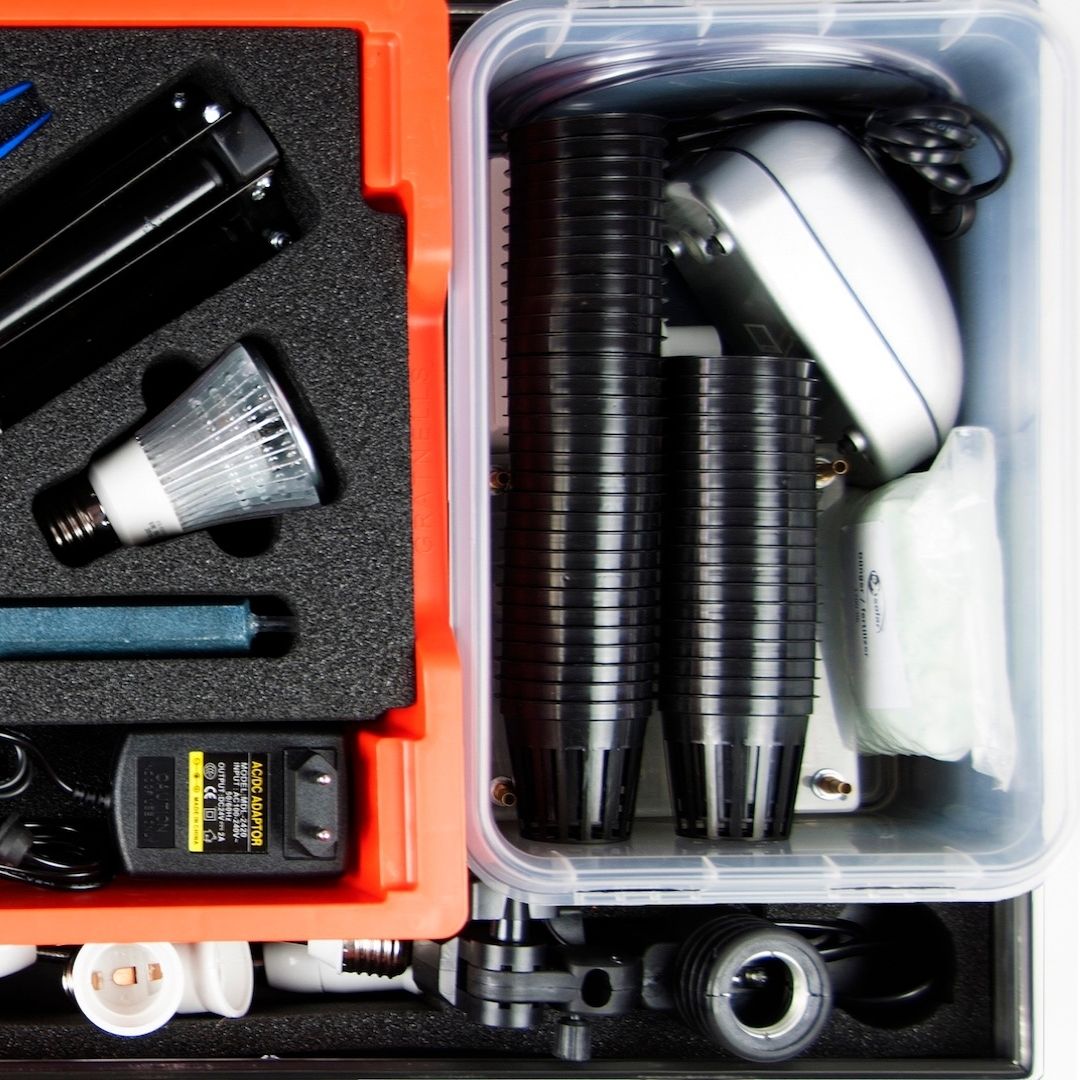
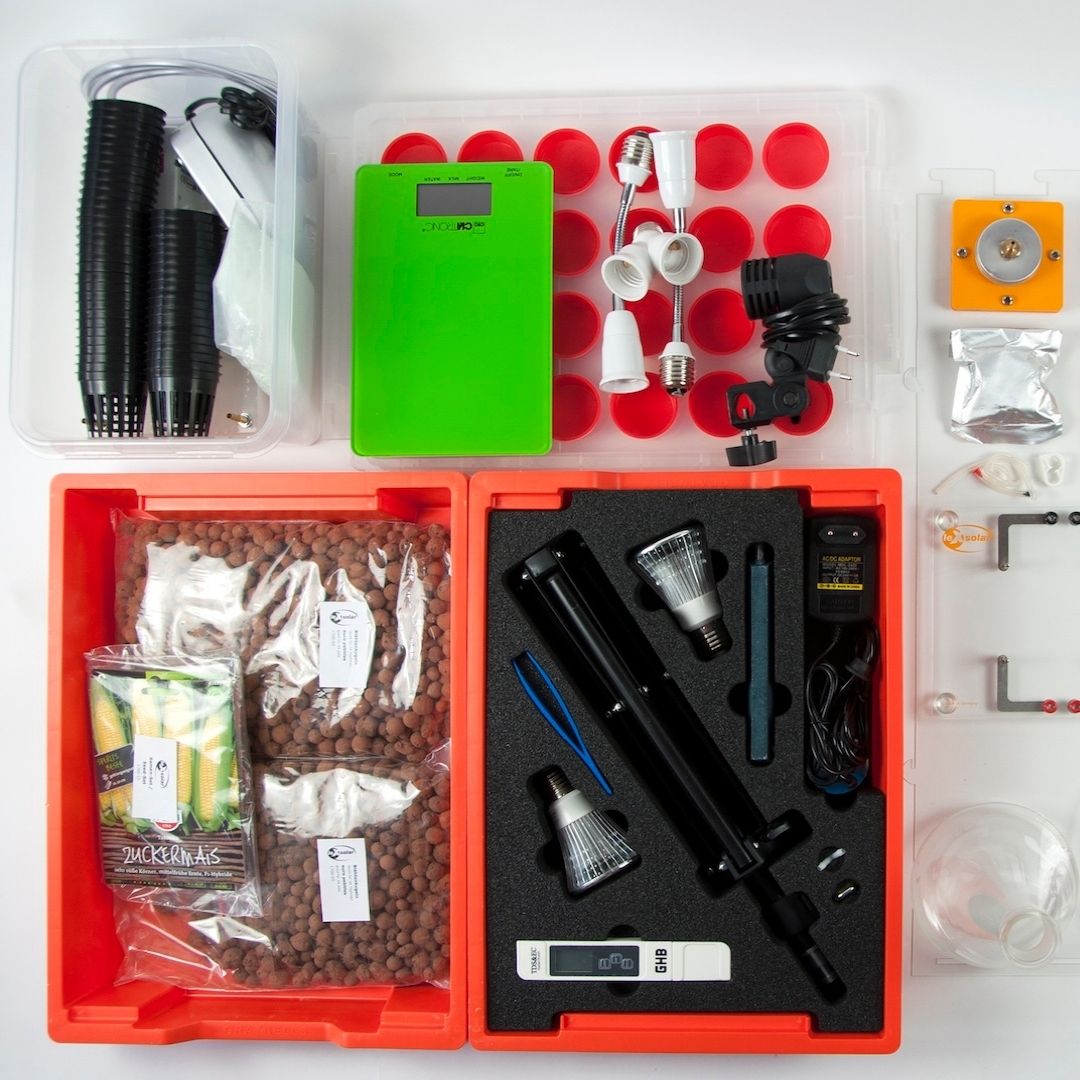
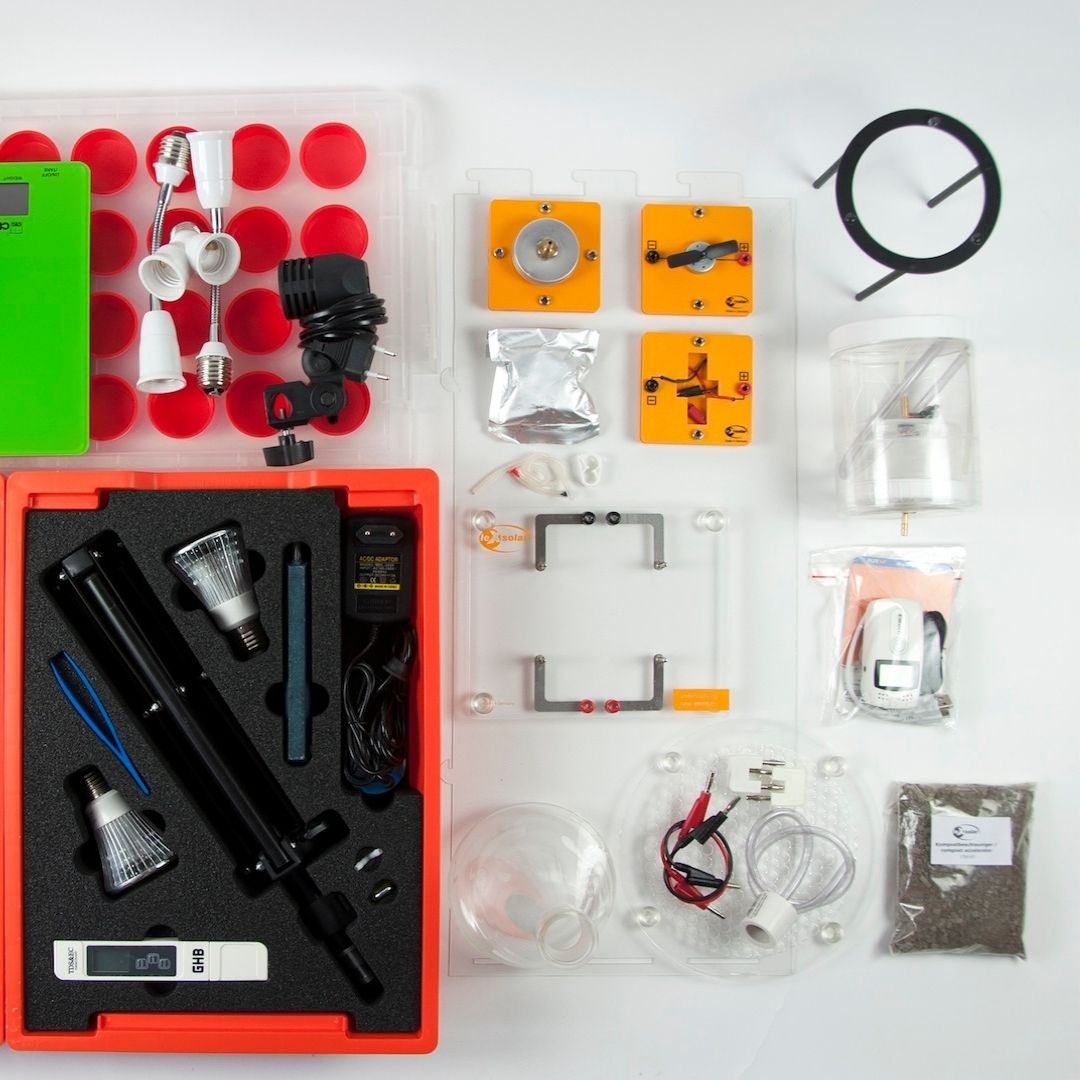
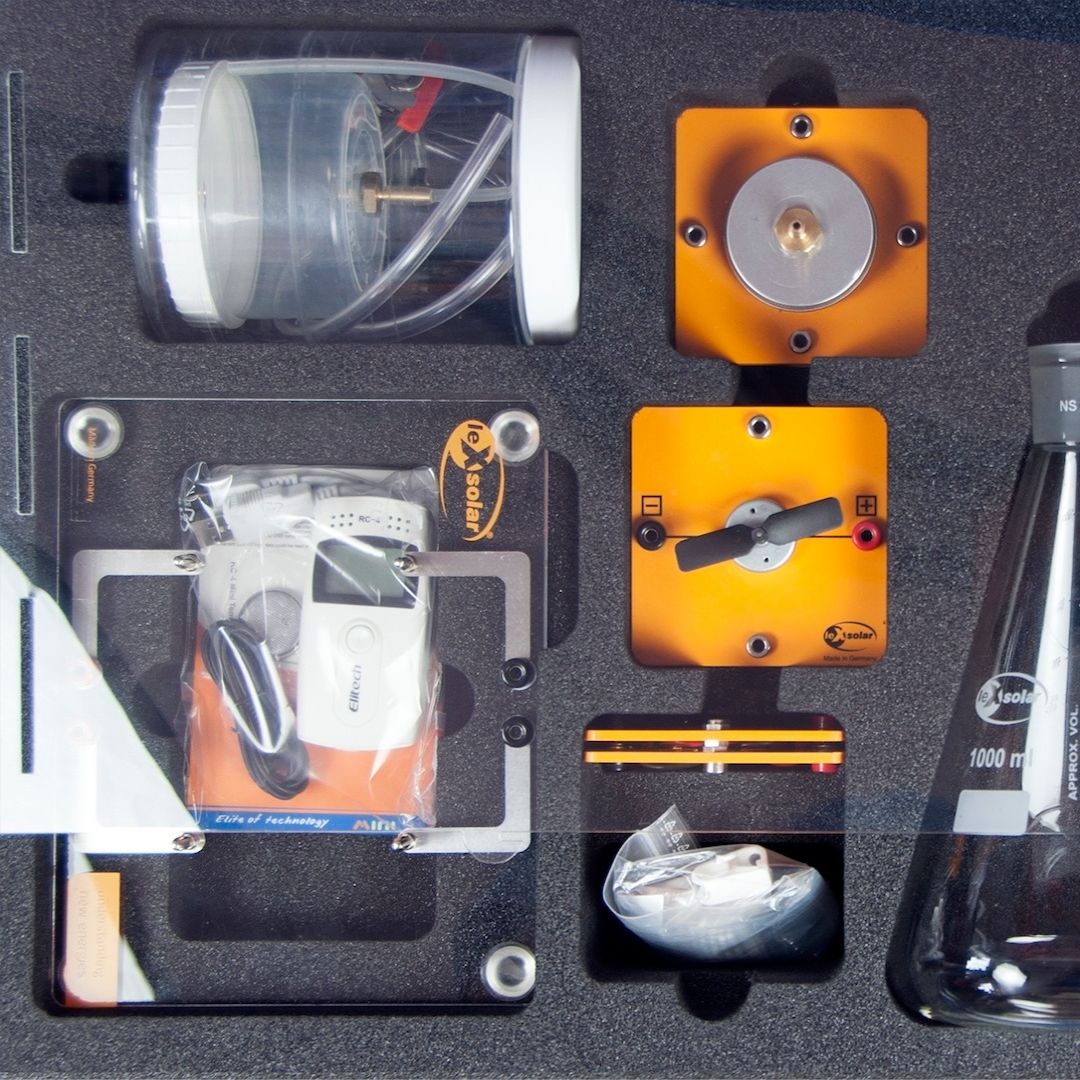
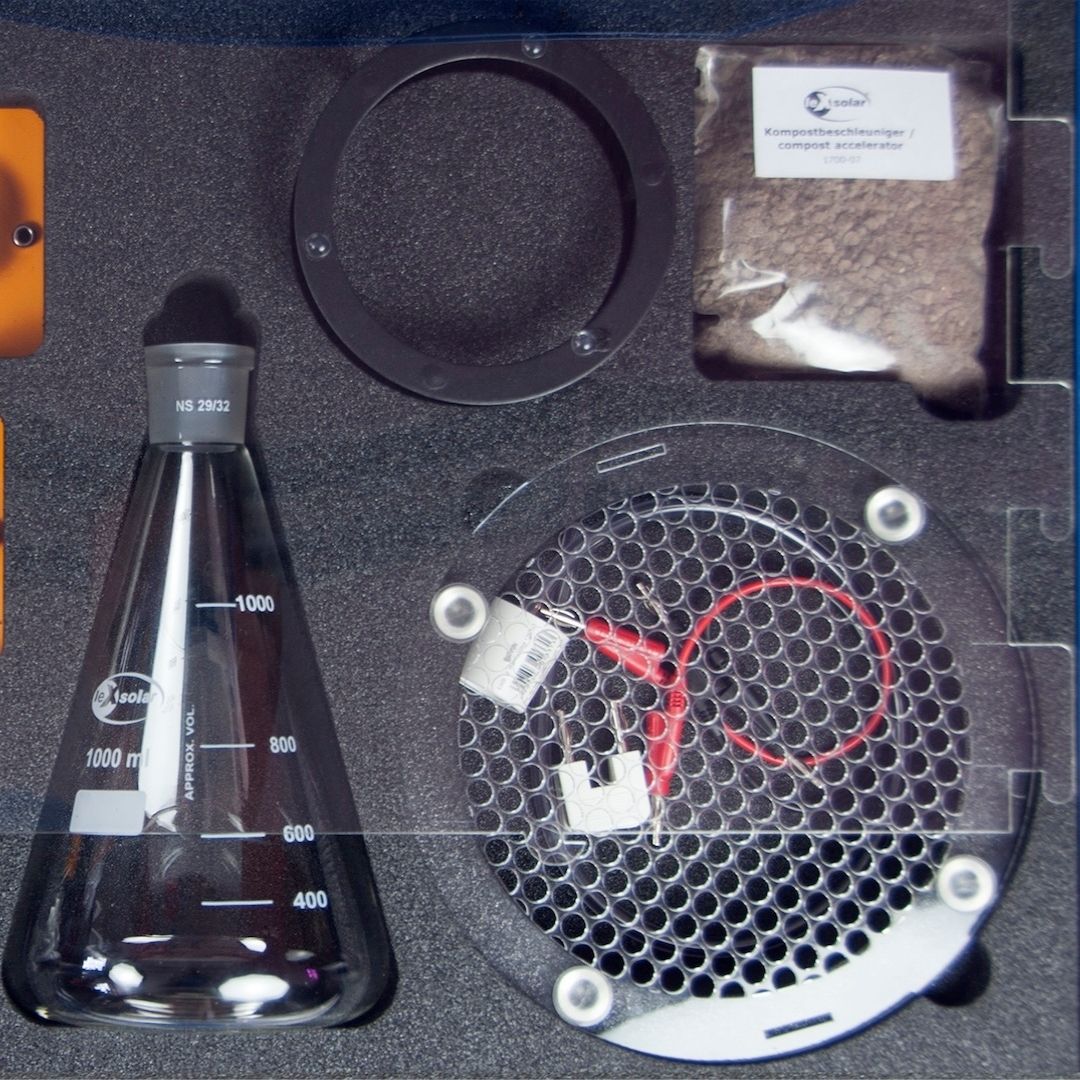
This biomass and bioenergy training system includes:
- Motor Module
- PEM Fuel Cell Module
- Small Base Unit
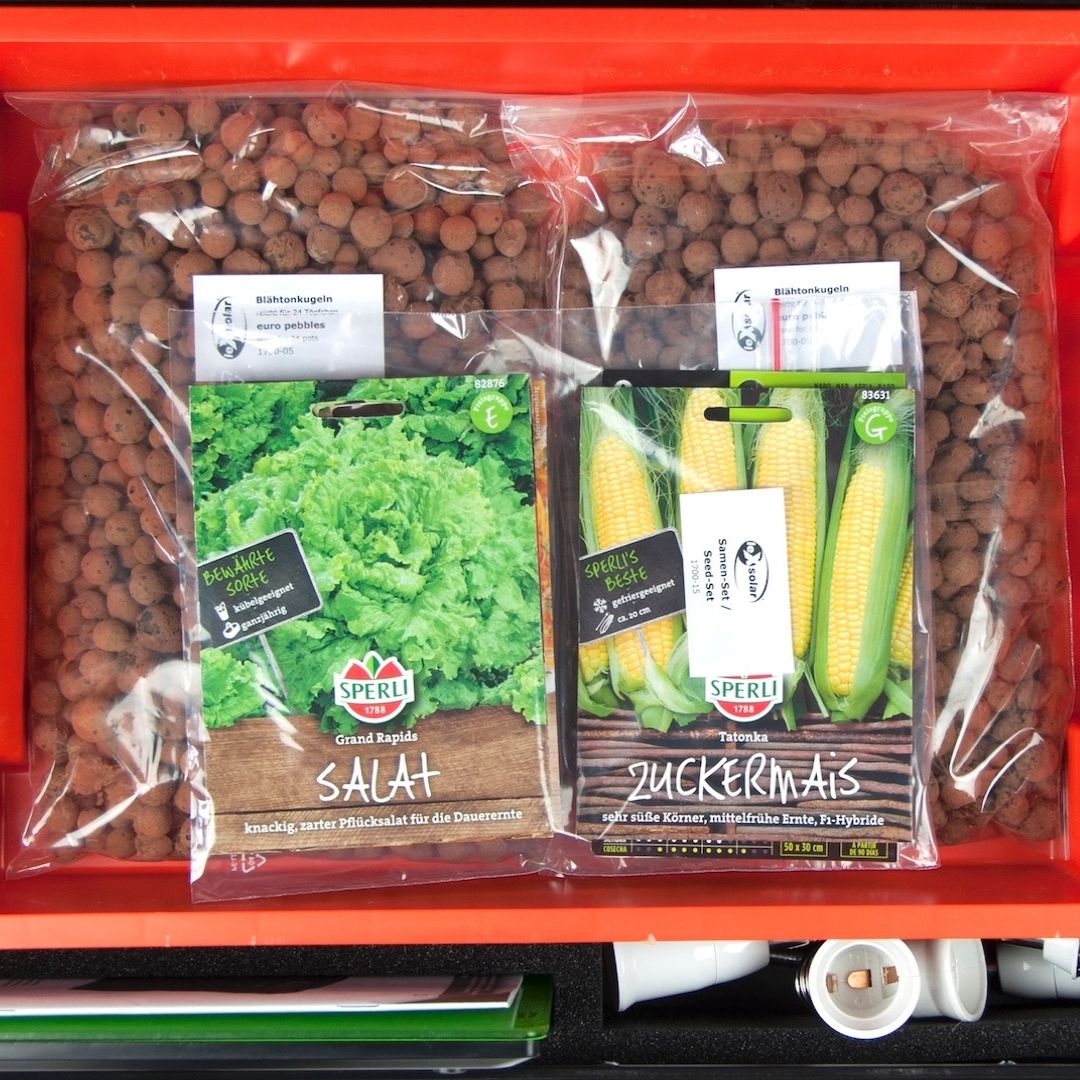
- Expanded Clay Pebbles
- Fertilizer
- Compost Catalyst
- Transparent Composter
- Gas Collection Container
- Burner
- Plant Lighting Tripod
- Sprout Box
- 6 L Cultivation Box
- Gas Collection Tripod
- Seed Set with Corn, Wheat, Sugar Beet, Radish, and Lettuce
- Rubber Plug with Tube
- Plant Identification Tags
- 2 × Pot Holders for Hydroculture
- Propeller
- Silicone Tubing
- Y-Switch
- 2 × Plant Lights
- Hose Clamp
- Test Leads
- Short-Circuit Plugs
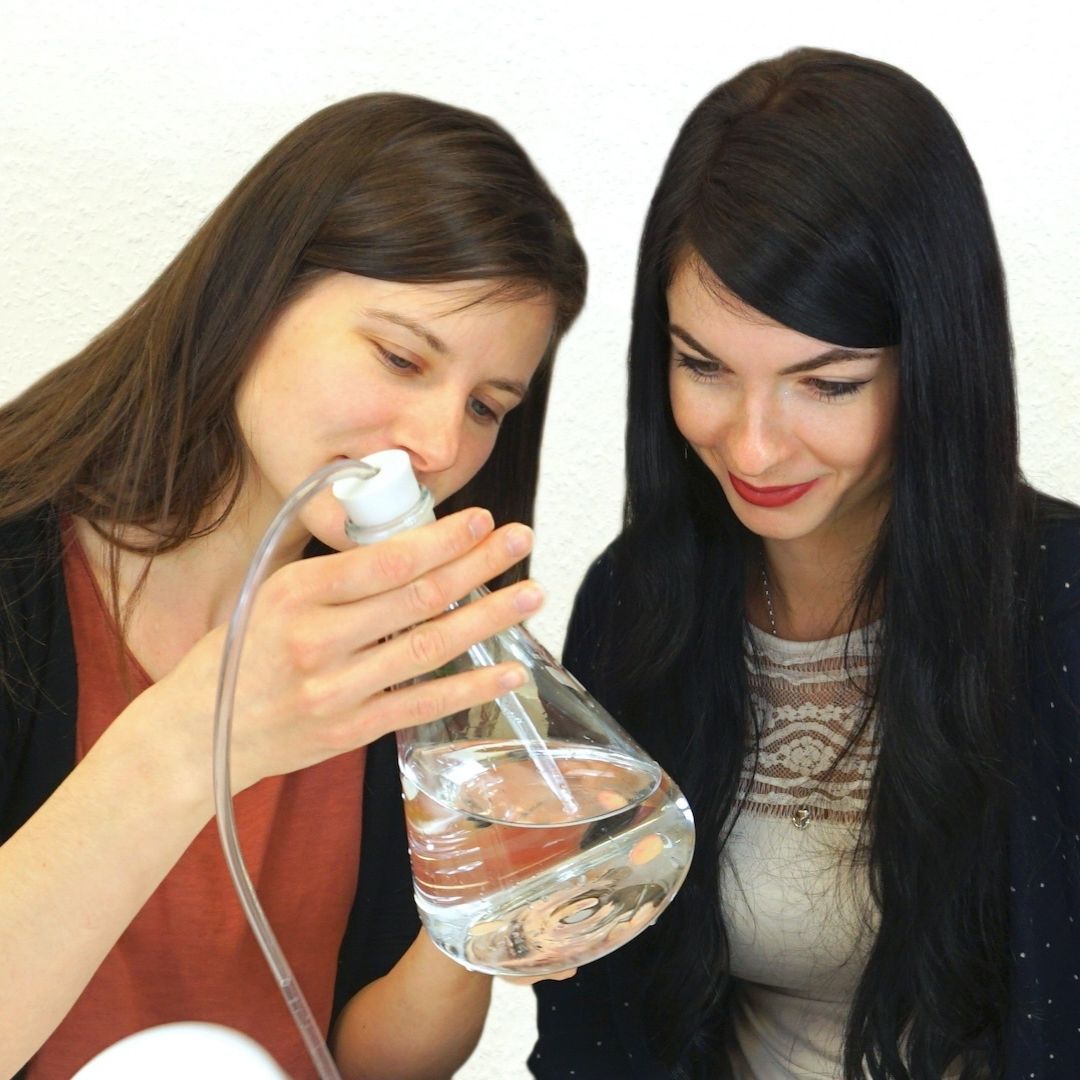
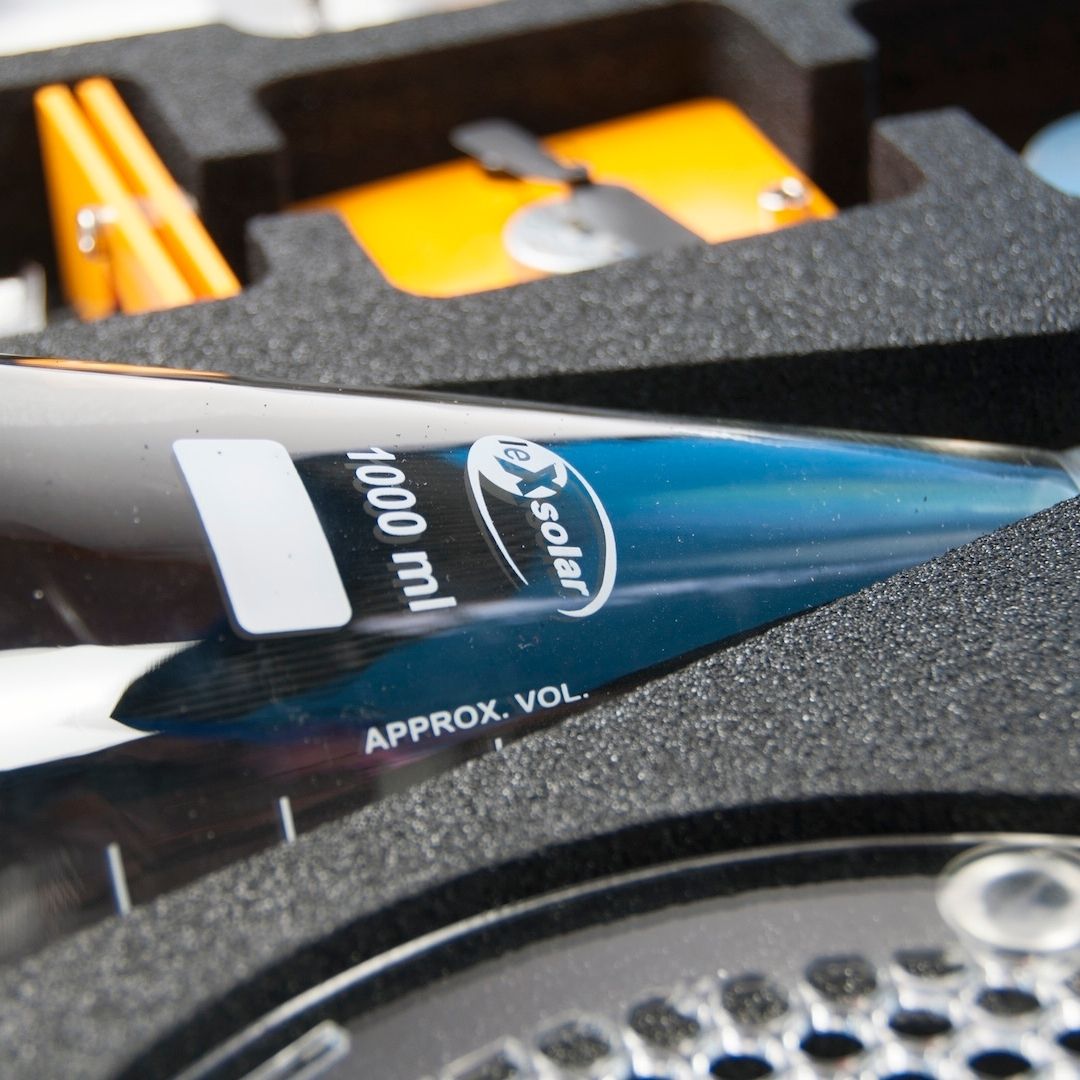
- 1,000 mL Erlenmeyer Flask
- 2 × Timers
- Air Pump
- 2 × Aeration Stones
- 50 × Net Cup Planters
- EC Meter
- Temperature Data Logger
- Digital Scale
- Tweezers
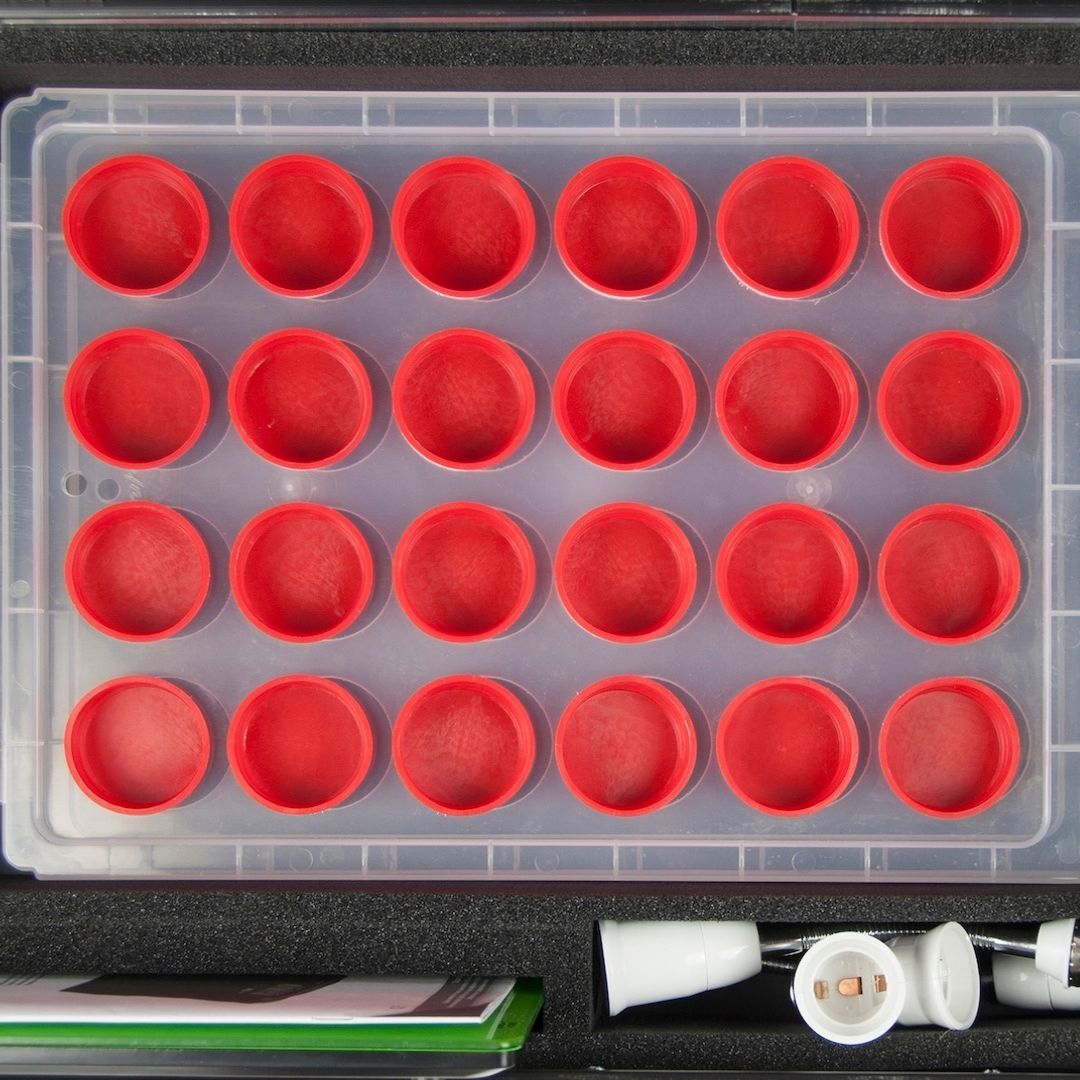
- 24 × Hydroculture Stoppers
- Nebulizer
- Storage Boxes and Inserts
- Startup Information
- Layout Diagram
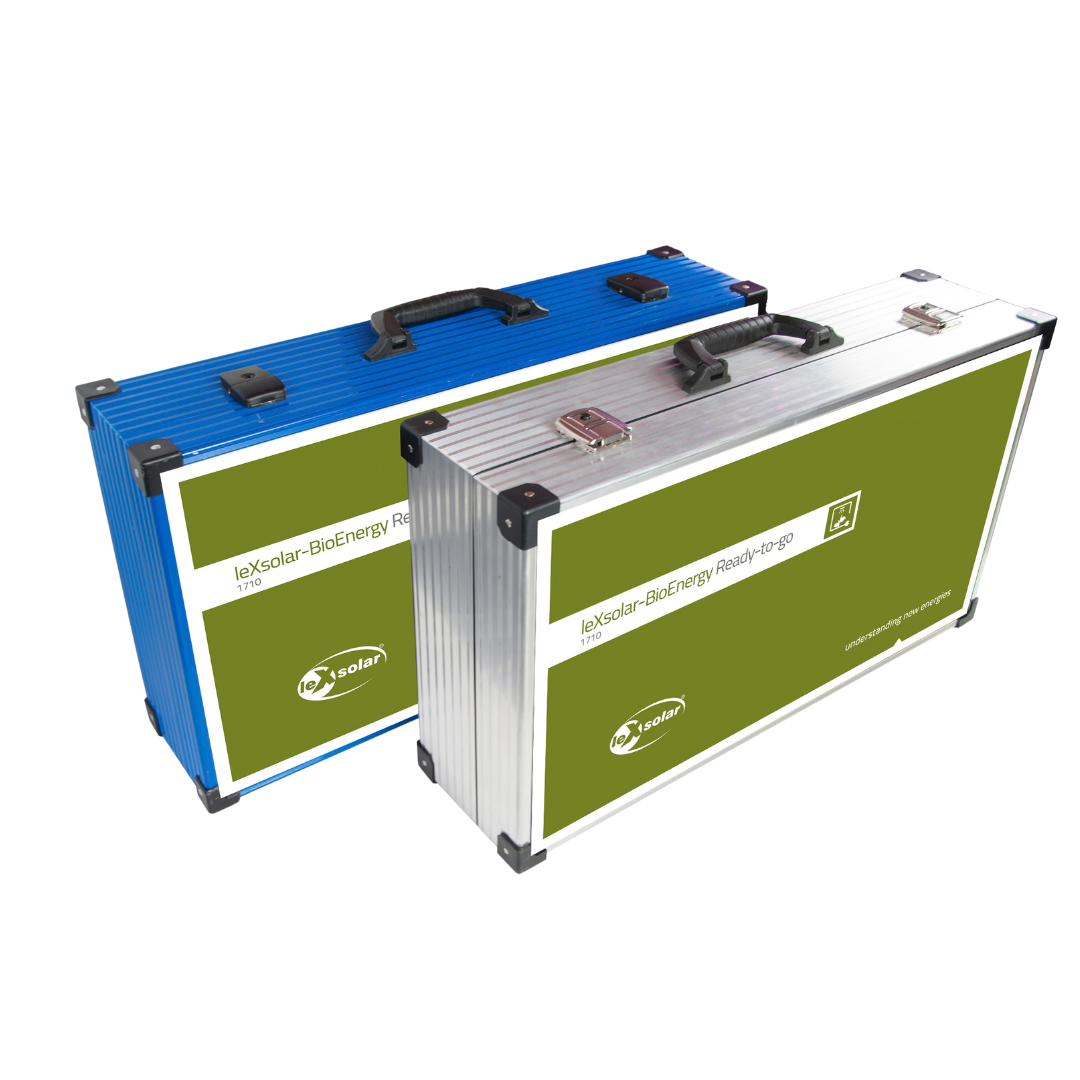
- 2 × Aluminum Carrying Cases
Typical Practical Tasks
- Germinate plant seeds under controlled conditions
- Cultivate plants using hydroculture
- Compare the growth of different plant types
- Monitor water consumption during plant growth
- Investigate nutrient consumption during plant development
- Measure electrical conductivity of hydroculture solutions
- Record temperature changes over time
- Investigate the influence of controlled plant lighting
- Observe aerobic decomposition of biomass
- Investigate composting processes
- Monitor temperature during biomass decomposition
- Explore anaerobic decomposition of biomass
- Produce hydrogen through biological decomposition
- Produce methane through biological decomposition
- Collect gases generated during biogas processes
- Investigate factors affecting the rate of gas production
- Explore the energetic use of gases generated from biomass
Technical Specifications
- Temperature Logger Measurement Range: Approx. -22°F to 140°F (-30°C to 60°C) using the internal measurement range
- Optional External Temperature Sensor Range: Approx. -40°F to 185°F (-40°C to 85°C)
- Temperature Logger Capacity: Up to 160,000 measurement points
- Temperature Logging Interval: Adjustable from 10 seconds to 24 hours
- Digital Scale Capacity: Approx. 11 lbs (5,000 g)
- Erlenmeyer Flask Capacity: Approx. 33.8 fl oz (1,000 mL)
- Sprout Box Capacity: Up to 49 individual germination compartments
- Hydroculture Capacity: 24 net cup planter positions per pot holder