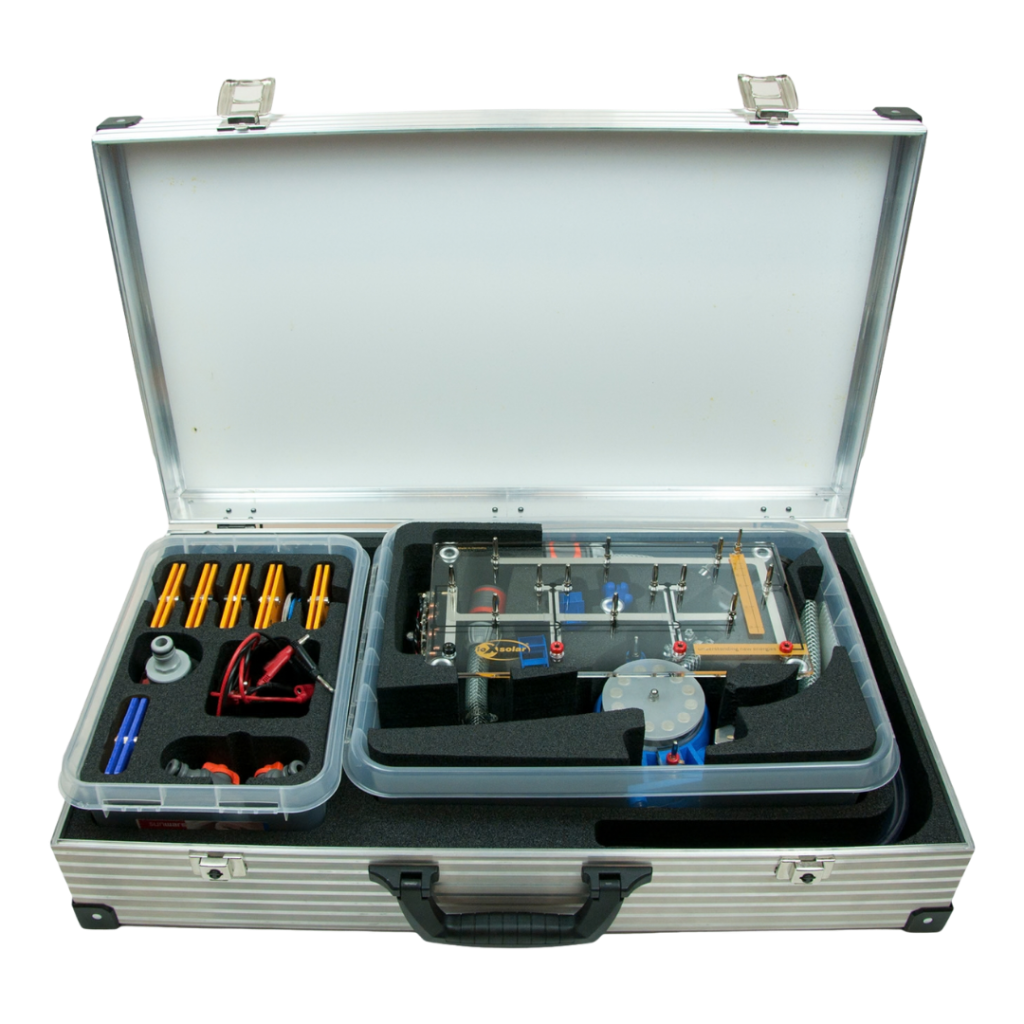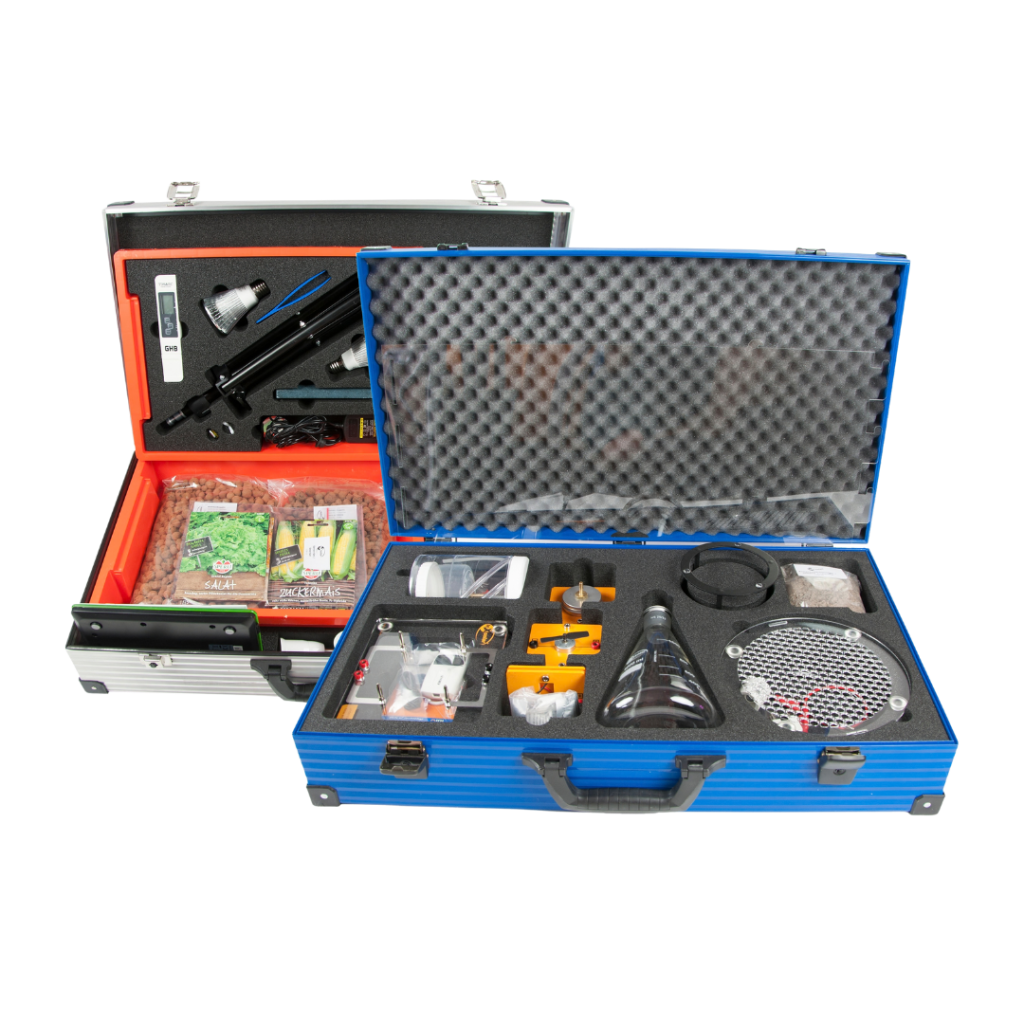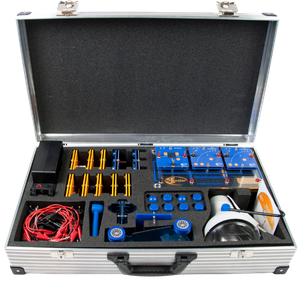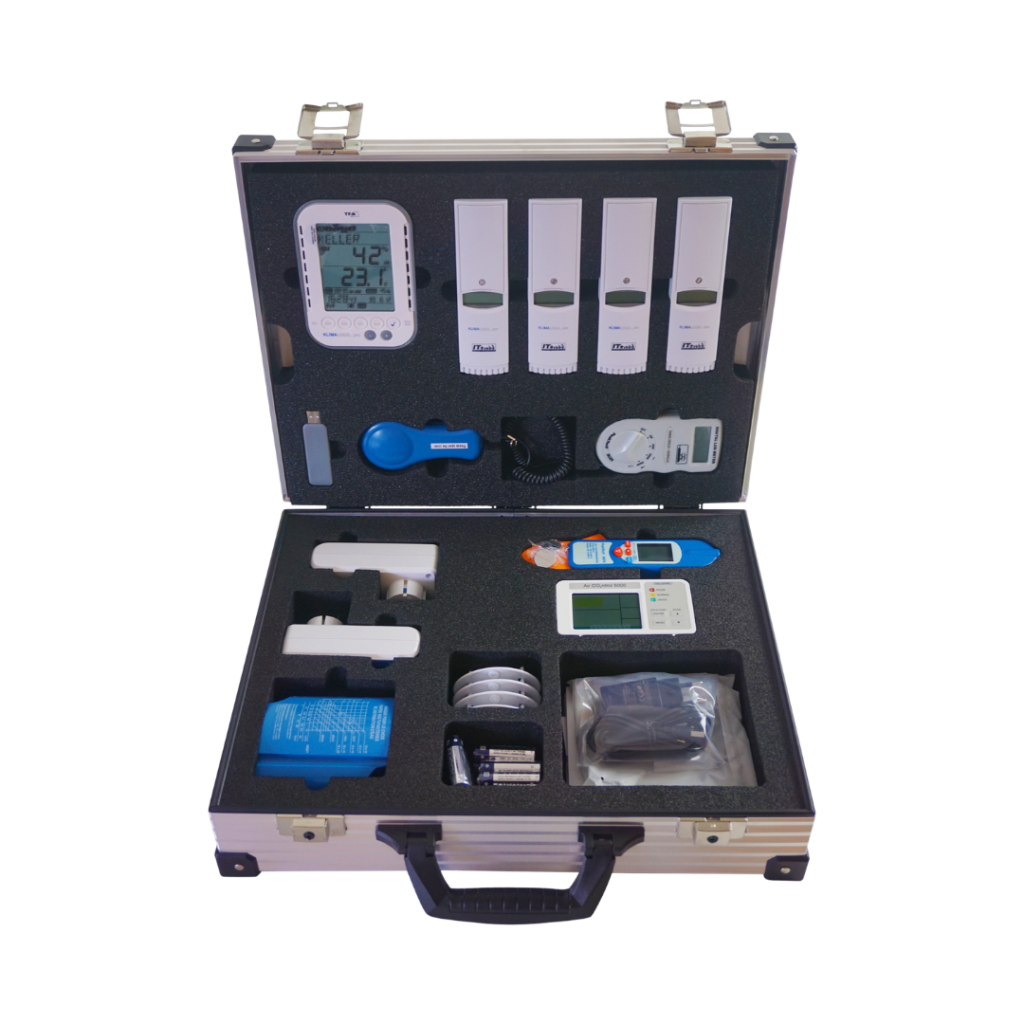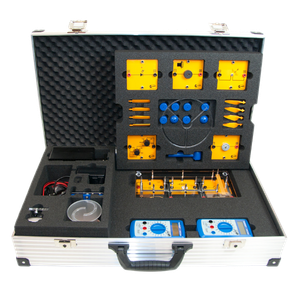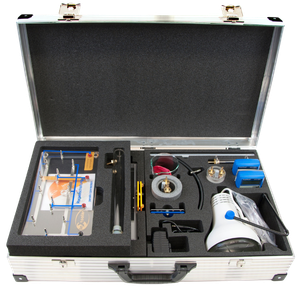
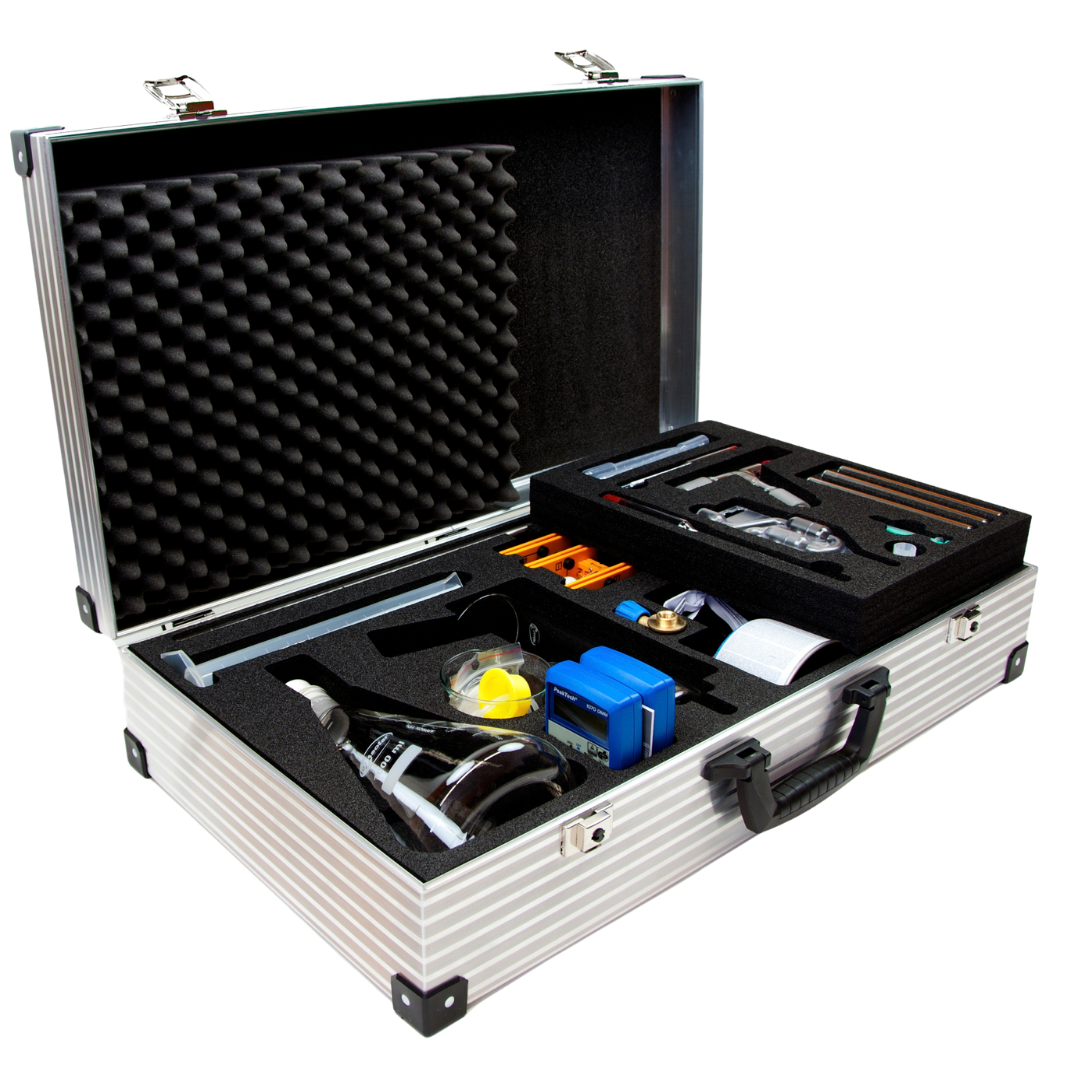
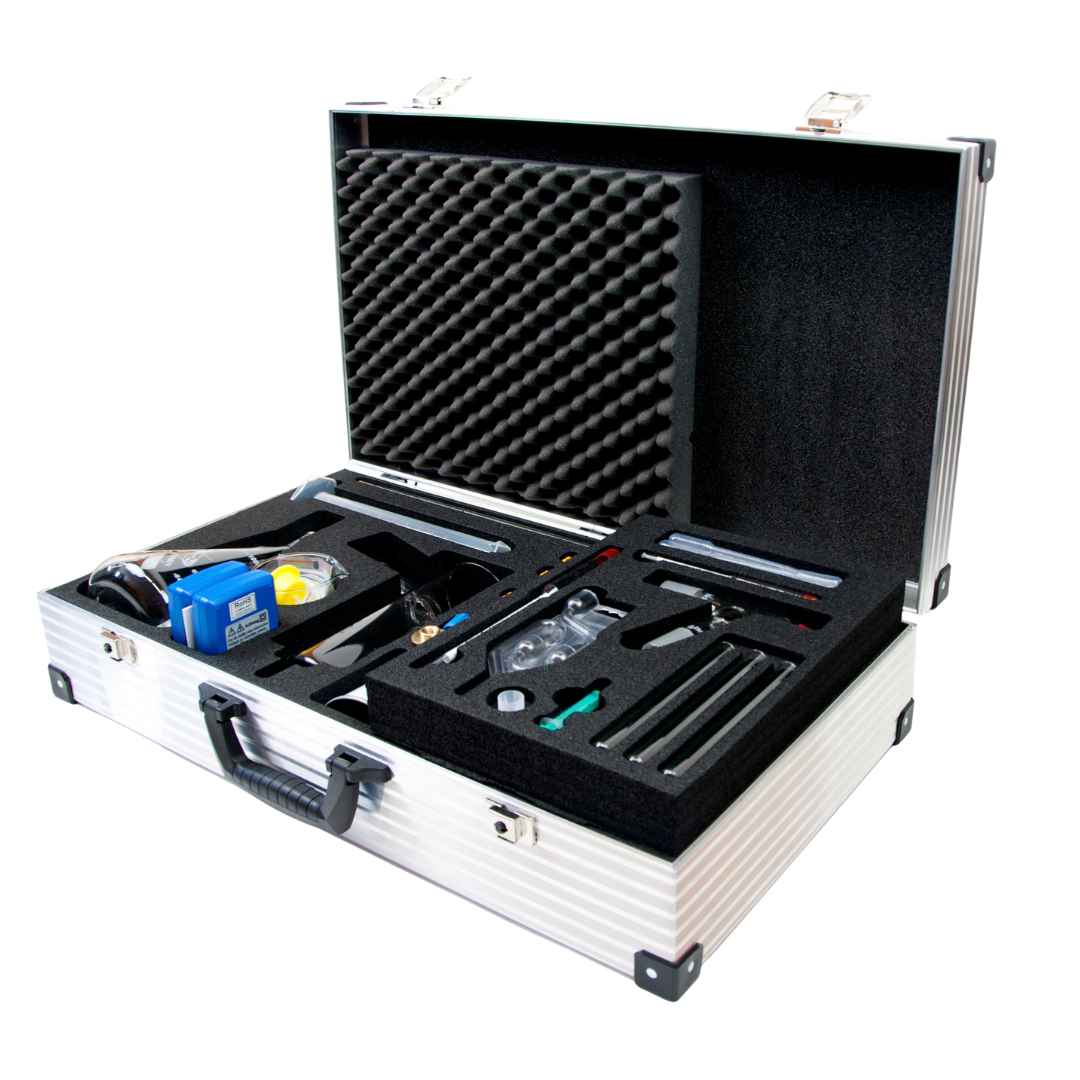
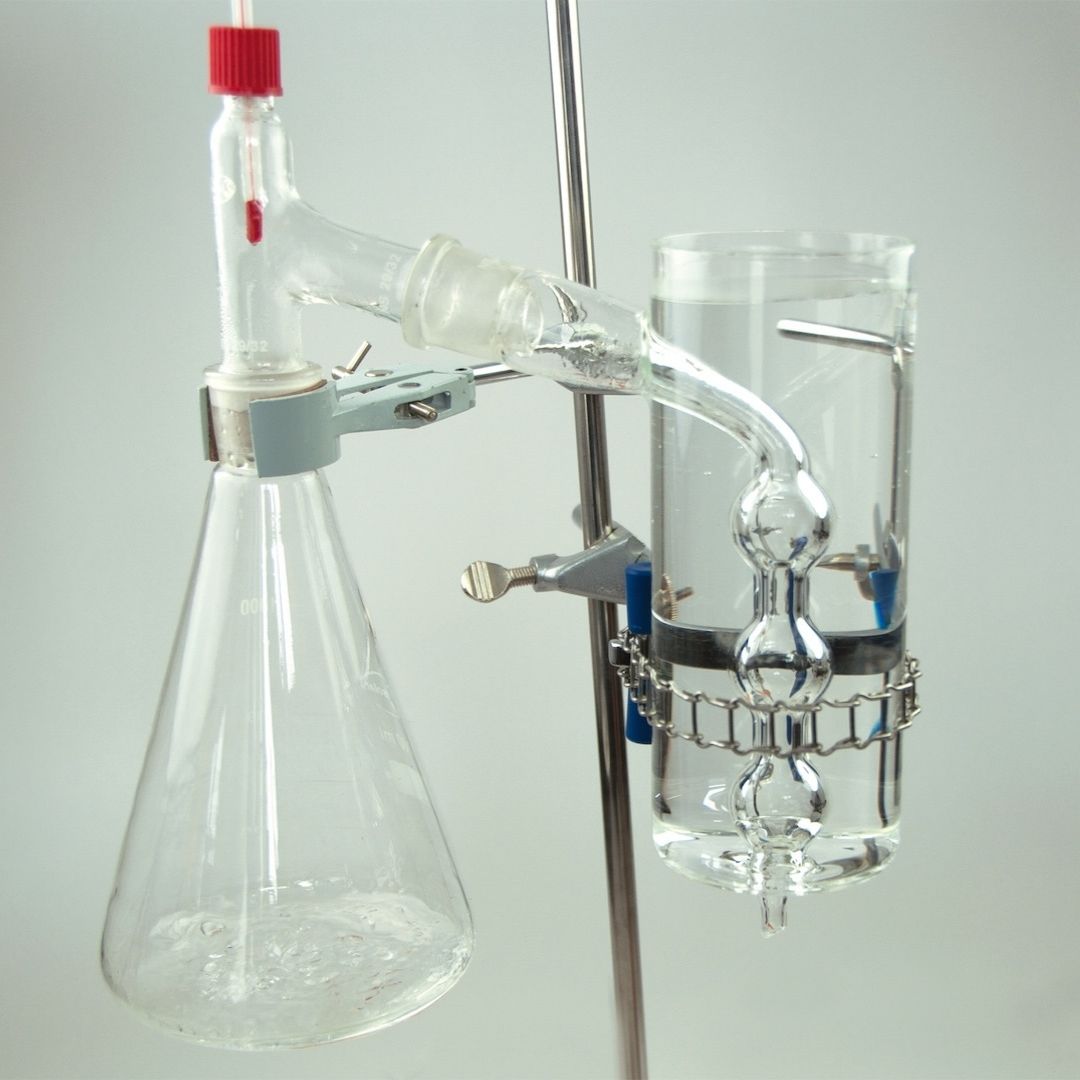
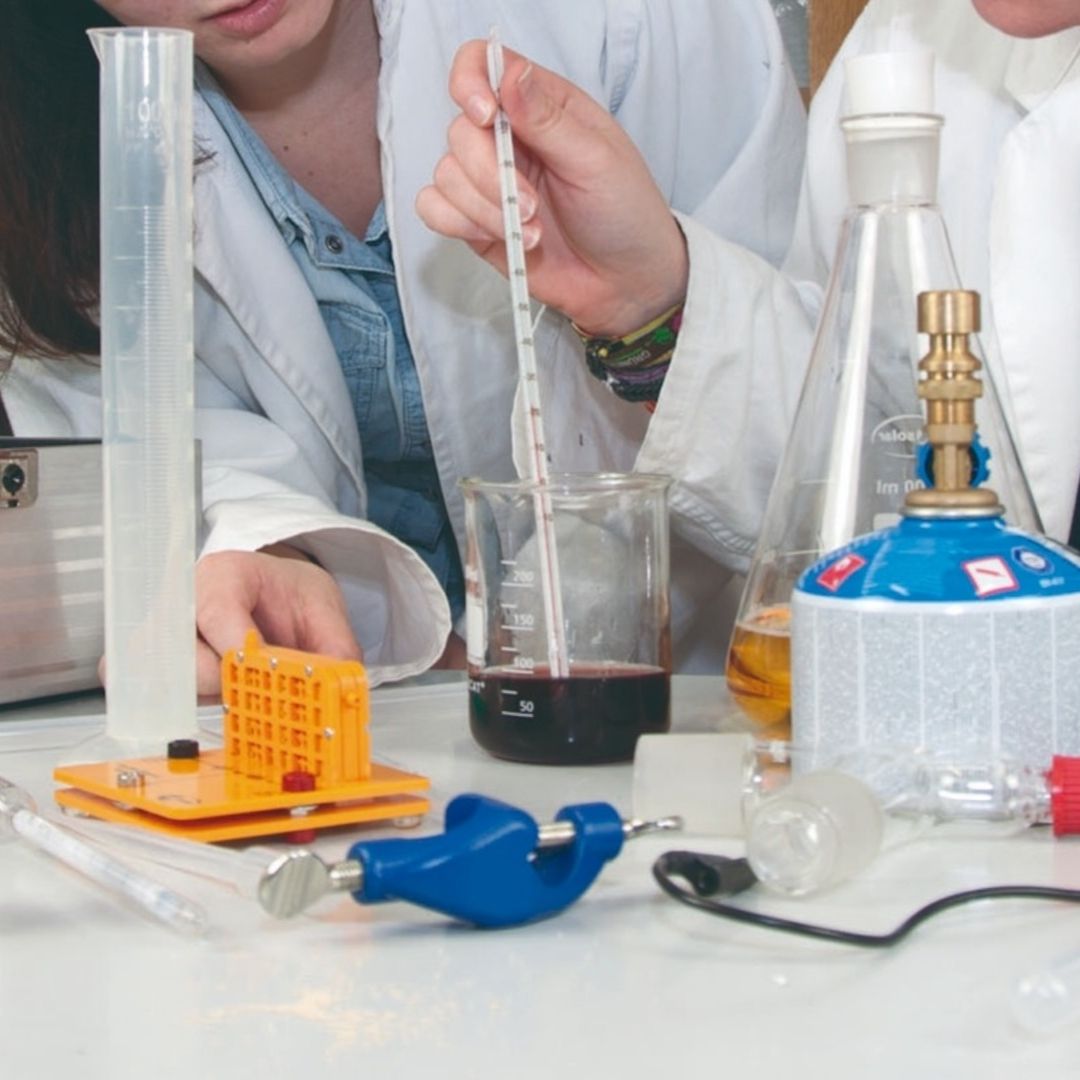
Biofuels connect concepts from biology, chemistry, physics, and renewable energy in a process students can investigate from beginning to end. The BioFuel Ready-to-go: Biofuel & Ethanol Training Kit provides the laboratory equipment and components needed to explore how biological resources can be converted into usable fuels and ultimately into energy.
Students can investigate two important biofuel pathways. Biodiesel activities explore the extraction of fats from foods and oil plants, characterization of fats, and conversion of fats into biodiesel through transesterification. Bioethanol activities take students through fermentation of different sugars, production of mash, identification of fermentation gases, distillation, and characterization of the resulting ethanol.
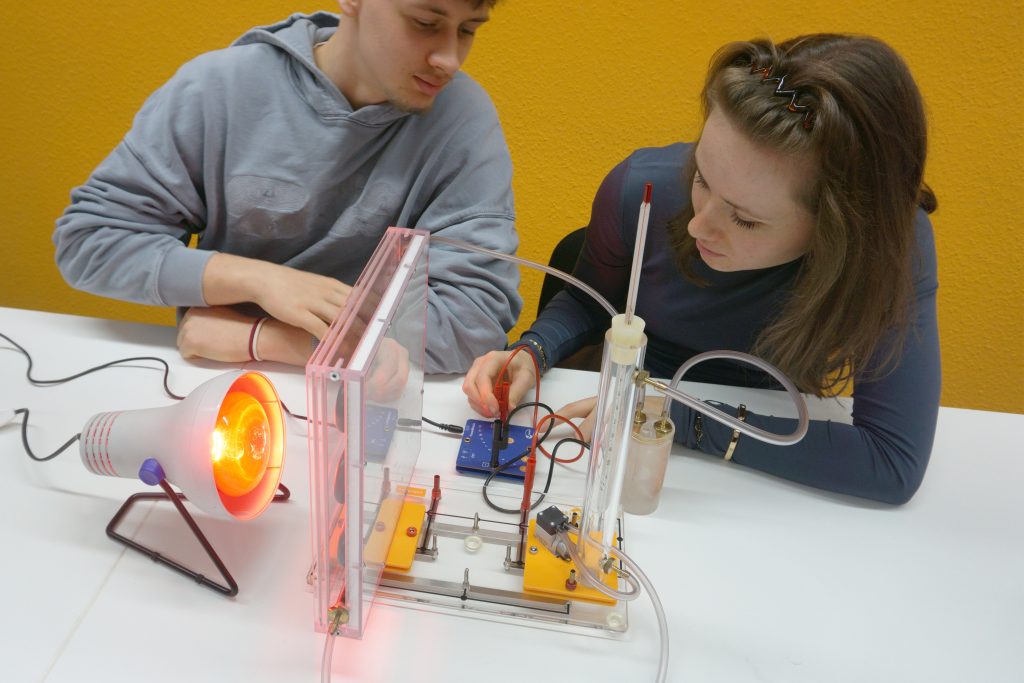
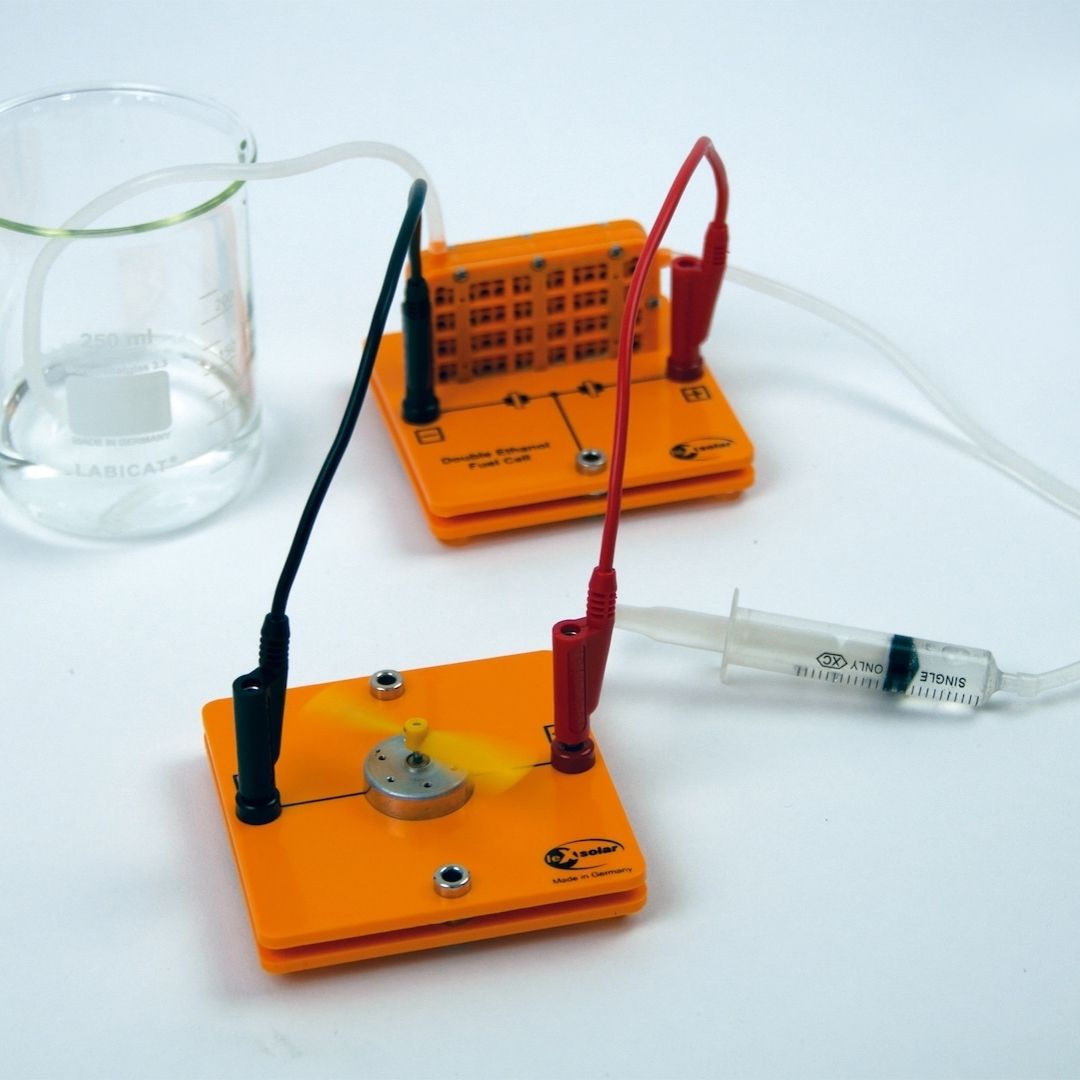
The learning process continues with the included ethanol fuel cell, allowing students to investigate how the chemical energy stored in ethanol can be converted into electrical energy. Students can analyze fuel cell characteristics, examine the effects of ethanol concentration and temperature, and evaluate the energy balance of the overall process.
Features
- Explore the complete bioethanol production process from fermentation and distillation through fuel characterization and energy conversion.
- Produce and investigate biodiesel while exploring fat extraction, fuel properties, and transesterification.
- Integrated ethanol fuel cell demonstrates the conversion of renewable fuel into usable electrical energy.
- Interdisciplinary experiments connect concepts from chemistry, biology, physics, environmental engineering, and renewable energy.
- Comprehensive laboratory system includes specialized equipment for fermentation, distillation, measurement, and fuel cell investigations.
Biofuel Fundamentals
Understand how biological materials and renewable feedstocks can be converted into fuels for energy applications.
Biodiesel Production
Investigate the conversion of fats into biodiesel through transesterification and explore characteristics of different fat sources.
Feedstock & Fat Analysis
Extract fats from foods and oil plants and determine properties relevant to biofuel production.
Fermentation
Explore alcoholic fermentation, compare different sugar sources, and investigate the gases produced during fermentation.
Bioethanol Production
Distill fermented mash and characterize the resulting ethanol to understand the steps required to produce a usable biofuel.
Ethanol Fuel Cells
Investigate how an ethanol fuel cell converts chemical energy directly into electrical energy.
Fuel Cell Performance
Generate ethanol fuel cell I-V curves and investigate how ethanol concentration and temperature affect performance.
Energy Balance
Examine energy inputs, transformations, and outputs to evaluate the complete biofuel production and utilization process.
Program Integration
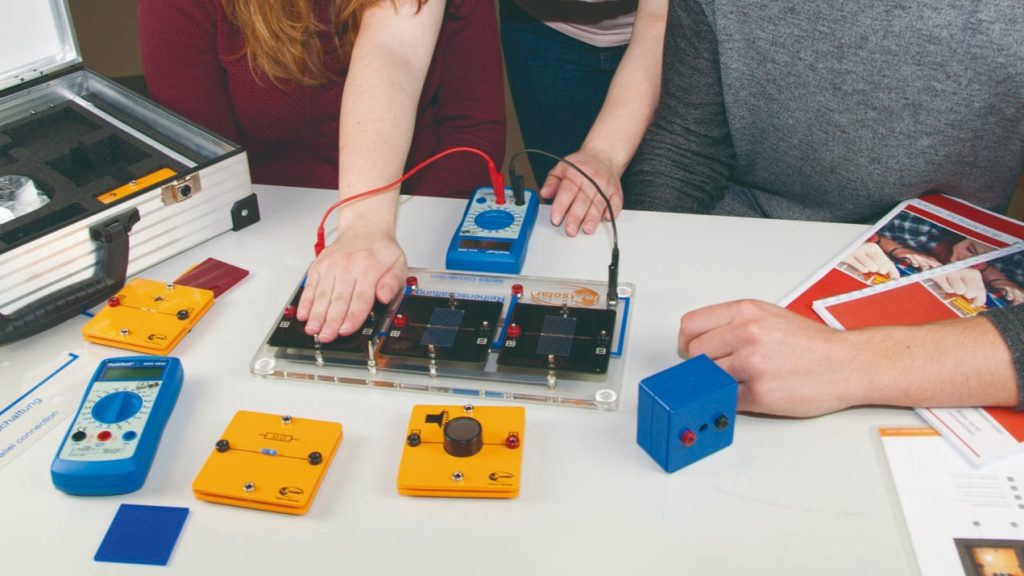
leXsolar’s portable green energy learning systems are designed to supplement classroom instruction with engaging, hands-on STEM investigations that connect scientific theory to real-world applications. Each system supports inquiry-based learning through structured experiments that encourage observation, measurement, analysis, and problem-solving.
Included educational resources support both students and instructors with:
- Hands-on experimental activities
- Student investigation guides
- Instructor manuals
- Experiment setup and implementation support
This flexible approach lets educators integrate hands-on learning into science, technology, engineering, energy, and career and technical education programs while reinforcing key curriculum concepts through experimentation.
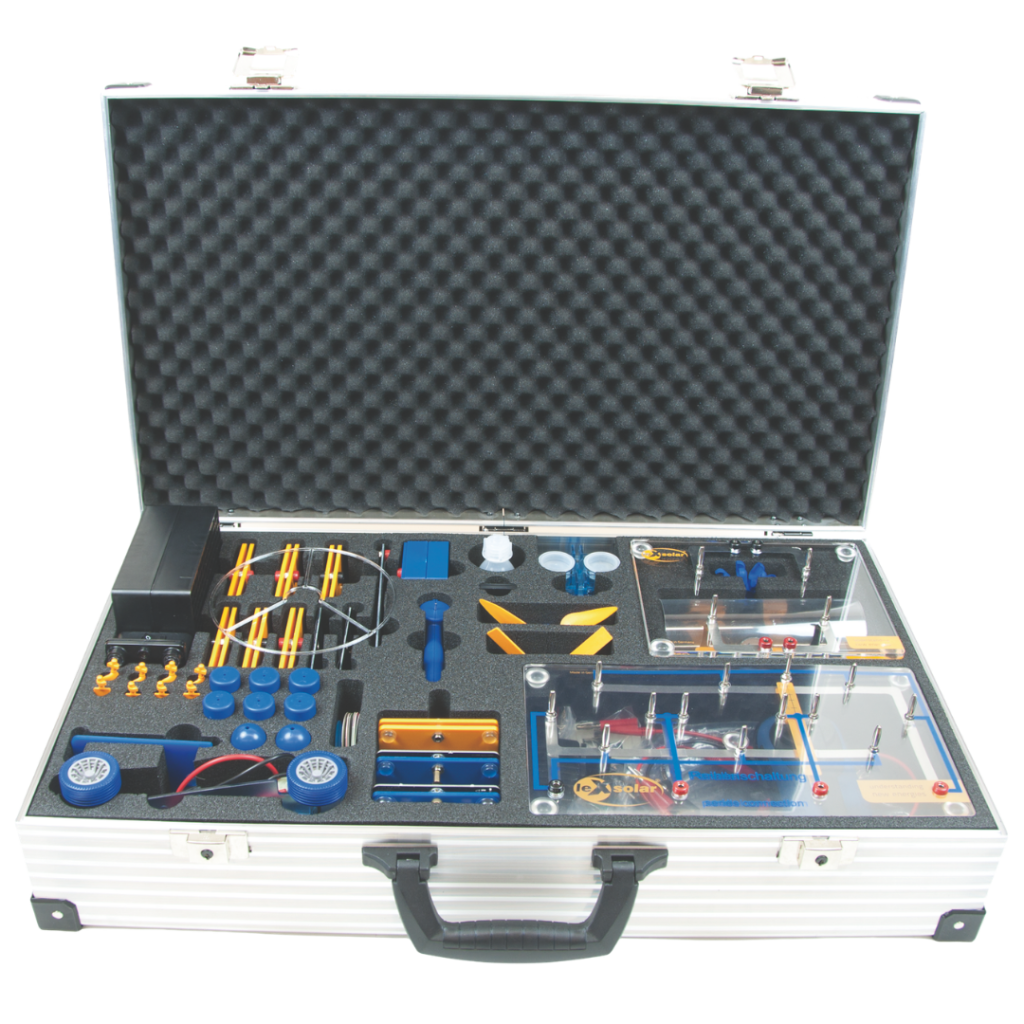
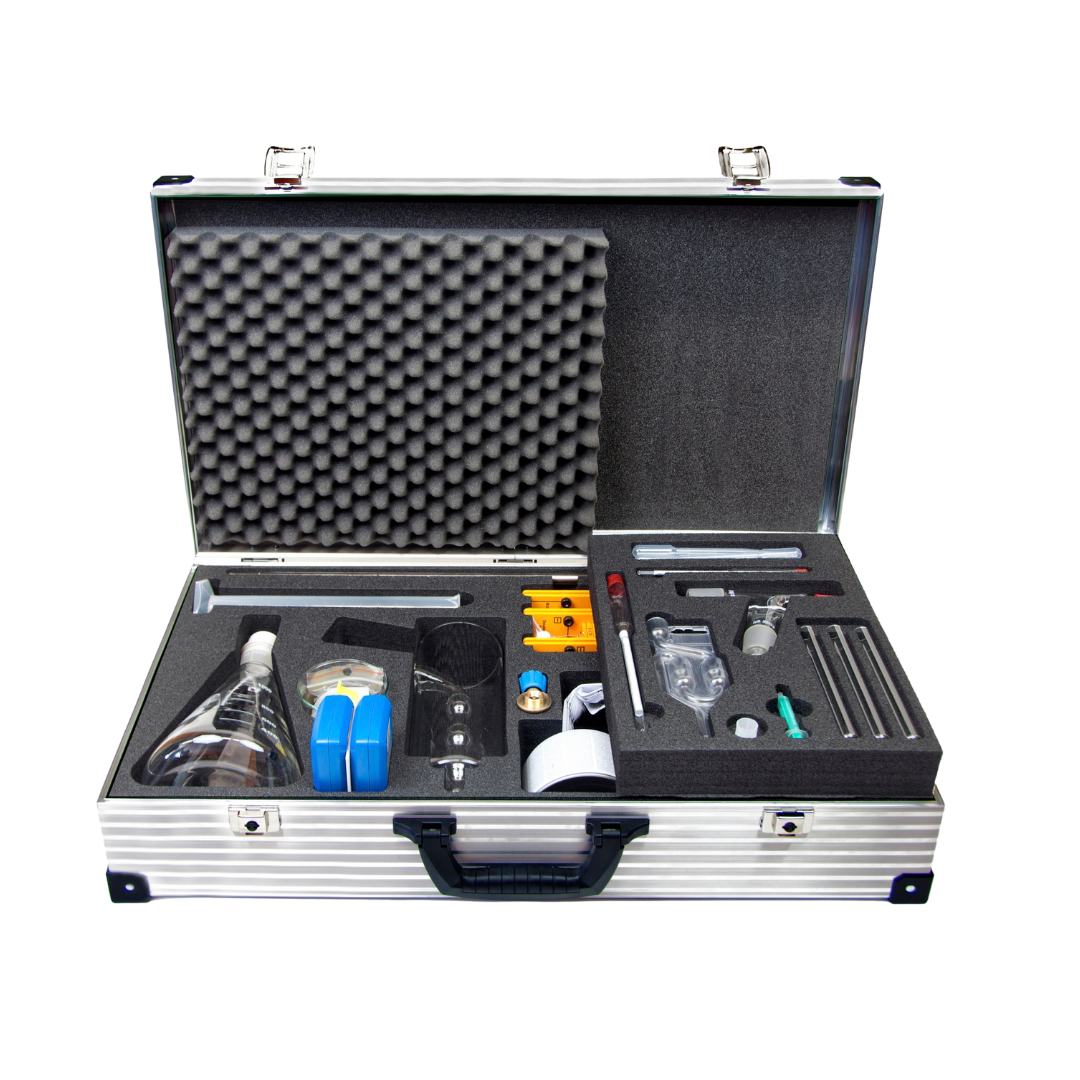
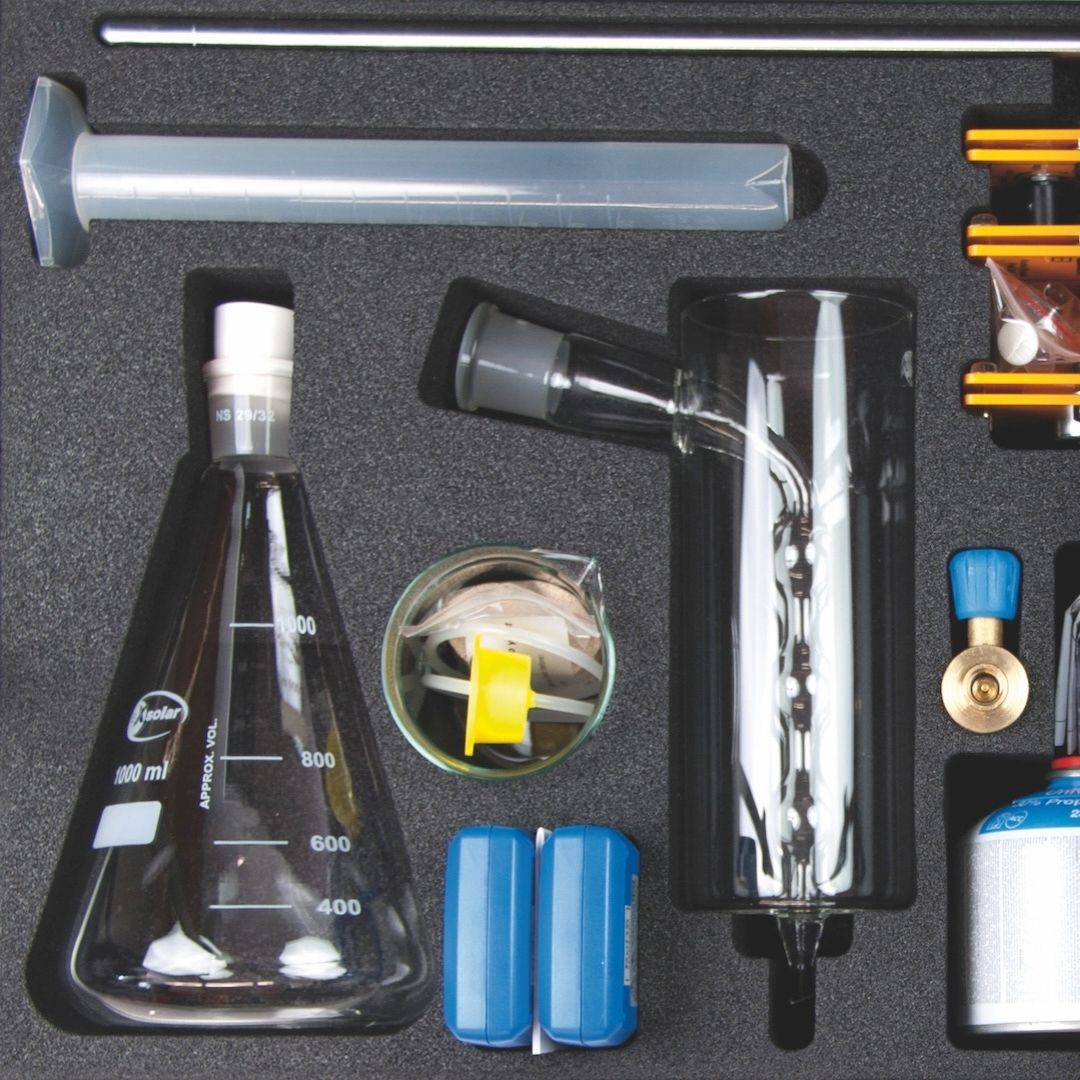
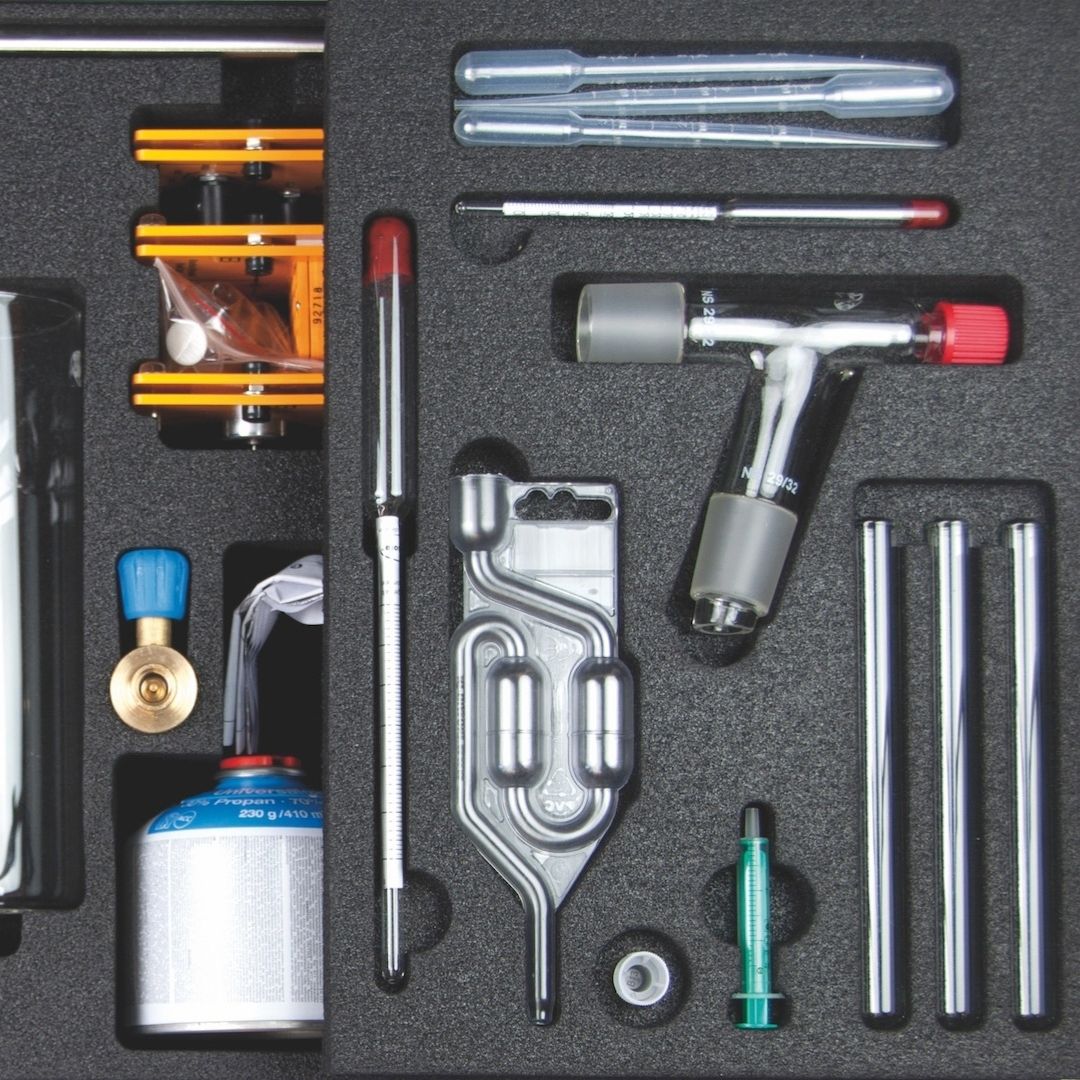
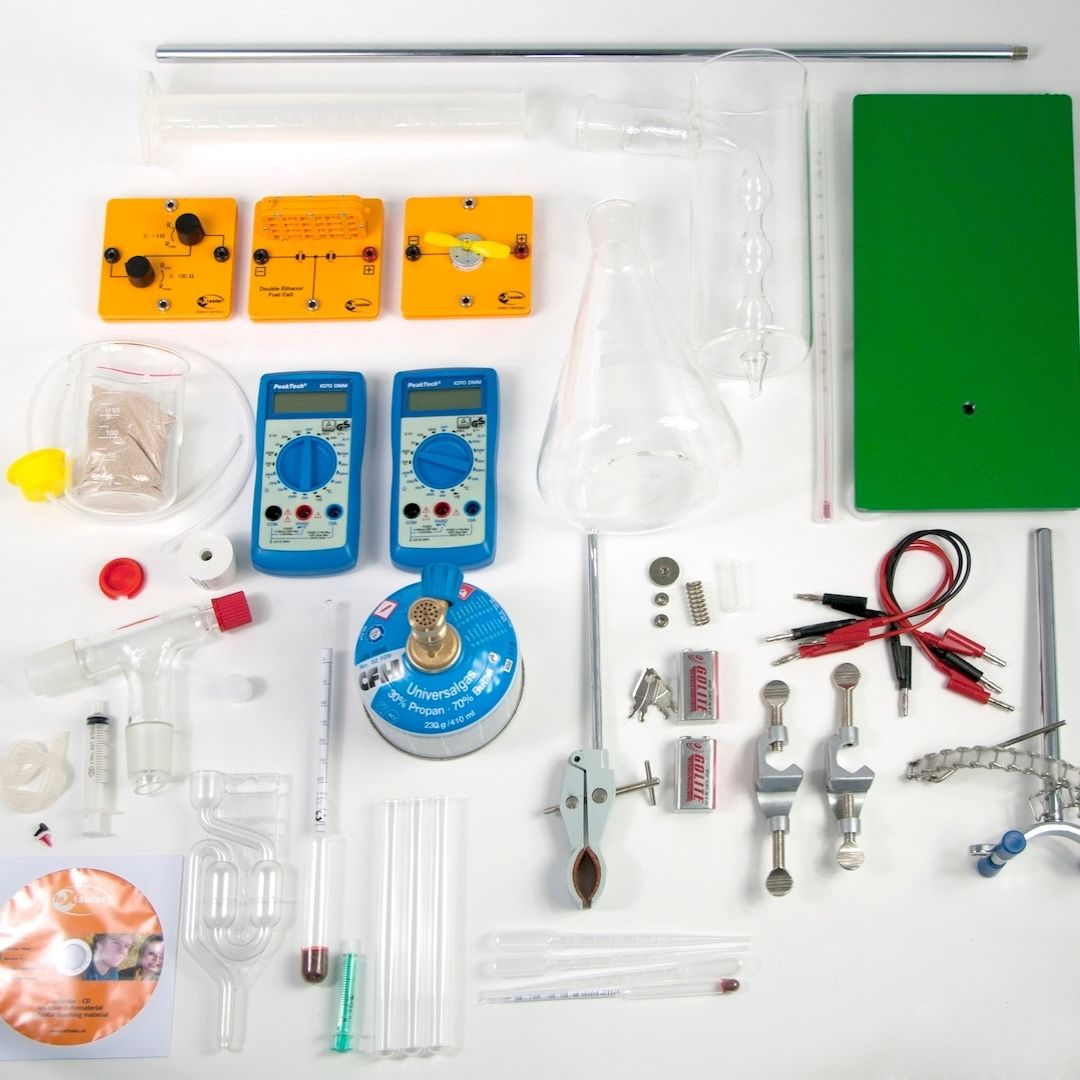
BioFuel Ready-to-go: Biofuel & Ethanol Training Kit Product Details
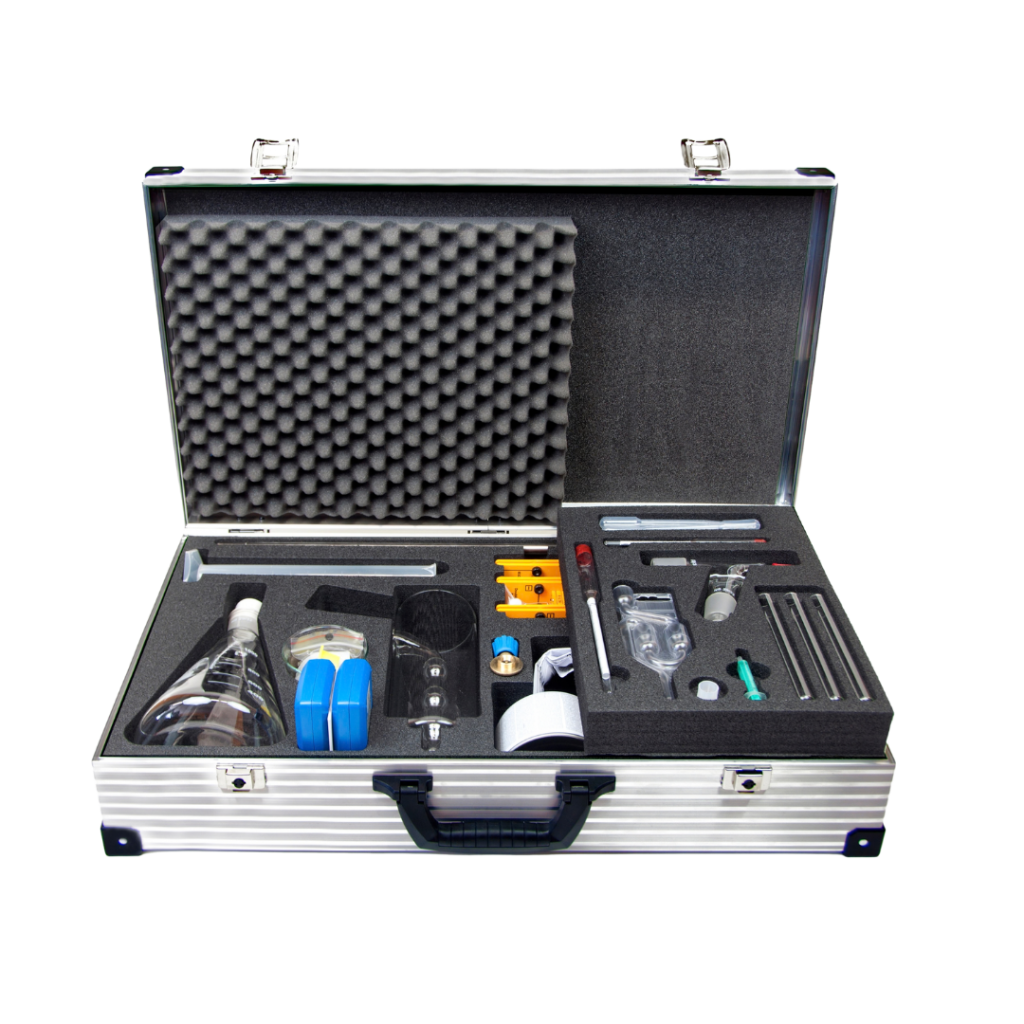
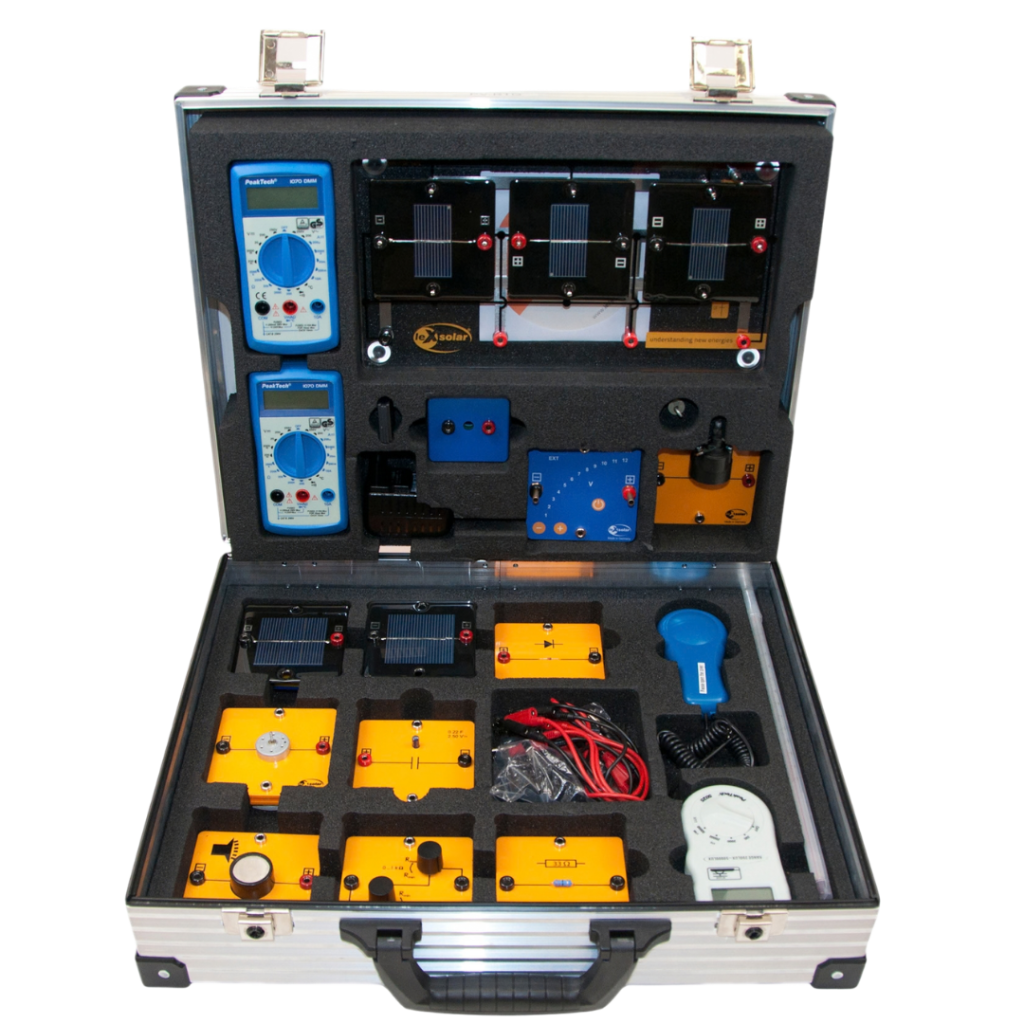
This biofuel training system includes:
- Potentiometer Module
- Motor Module
- Ethanol Fuel Cell Module
- Plug with Hose
- Yeast
- Chain Clamp
- 2 × Digital Multimeters
- Test Leads
- Propeller
- Laboratory Thermometer
- Distilling Head
- Condenser
- Alcoholmeter
- 1,000 mL Erlenmeyer Flask
- Airlock
- Rubber Stopper
- Areometer
- 250 mL Beaker
- 3 × Test Tubes
- Grip Stopper
- 3 × Pasteur Pipettes
- 100 mL Measuring Cylinder
- 2 mL Syringe
- Silicone Ring
- Universal Stand Clamp
- 23.6 in Stand Rod
- 2 × Double Clamps
- Stand Base Plate
- Equipment Layout Guide
- Startup Information
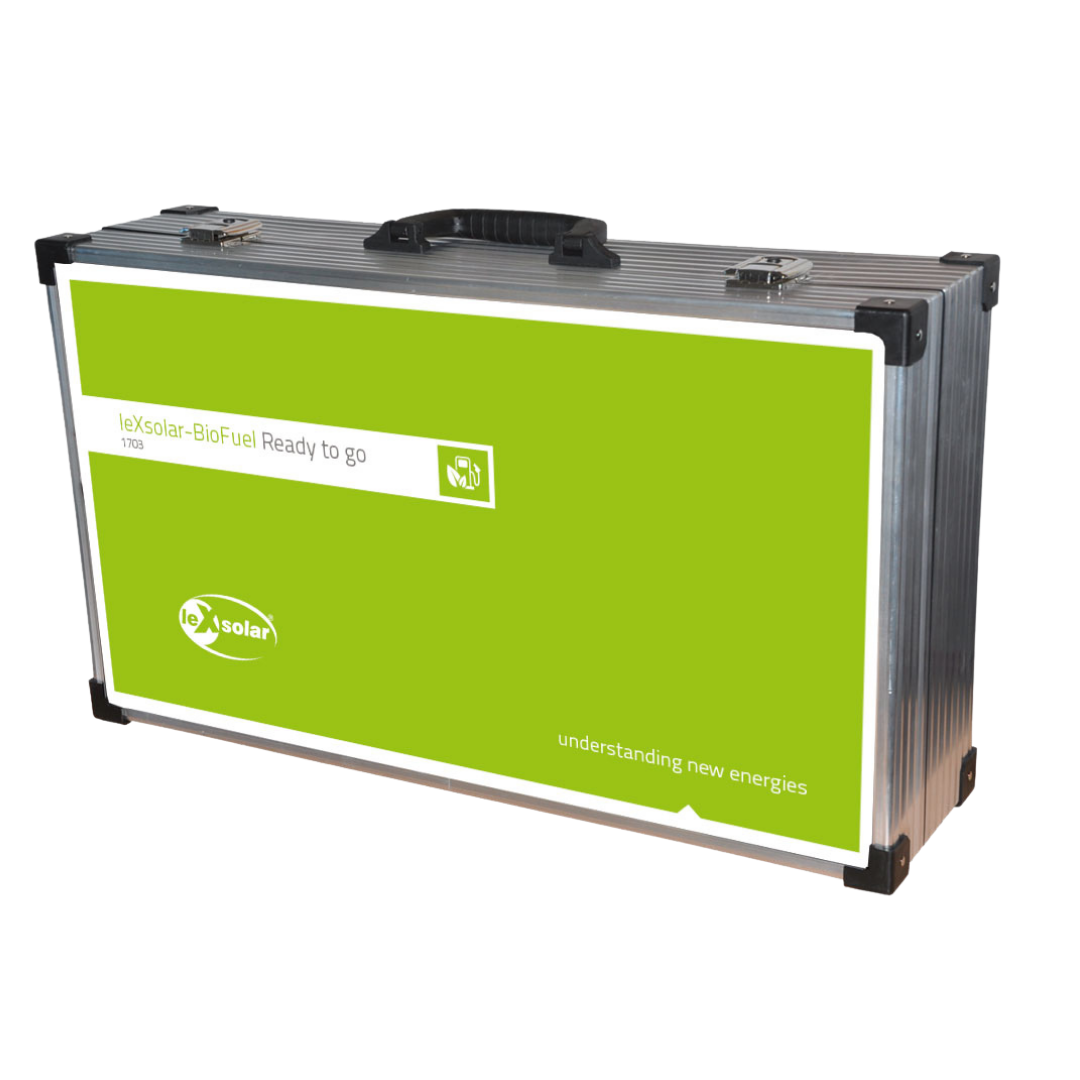
- Aluminum Carrying Case
Typical Practical Tasks
- Extract fats from food products and oil plants
- Determine characteristics of fats used as biofuel feedstocks
- Convert fats into biodiesel through transesterification
- Prepare mash for alcoholic fermentation
- Investigate fermentation using different types of sugar
- Explore the catalytic breakdown of starch for fermentation
- Detect gases produced during fermentation
- Distill fermented mash to produce bioethanol
- Analyze characteristics of the produced ethanol
- Measure ethanol concentration
- Explore the operating principles of an ethanol fuel cell
- Generate an I-V characteristic curve for an ethanol fuel cell
- Investigate the effect of ethanol concentration on fuel cell performance
- Investigate the effect of temperature on ethanol fuel cell performance
- Convert chemical energy in ethanol into electrical energy
- Evaluate the energy balance of the complete biofuel process
Requirements
- Supplementary BioFuel materials/chemicals for performing the experimental processes. The available supplementary chemistry set contains chemicals sufficient for approximately 20 experiment runs.
- Bunsen burner for the applicable laboratory activities.
- Because the activities involve fermentation, distillation, biofuel production, and laboratory processes, the system should be implemented using the appropriate school laboratory procedures and instructor supervision.
Technical Specifications
- Case Dimensions: Approx. 25.2 × 14.6 × 6.5 in
- Weight: Approx. 18.5 lbs
- Ethanol Fuel Cell Configuration: Two-cell stack with individually accessible cells
- Ethanol Fuel Cell Open-Circuit Voltage: 1 V, double cell
- Maximum Ethanol Fuel Cell Short-Circuit Current: 40 mA
- Maximum Ethanol Fuel Cell Peak Power: 10 mW
- Recommended Ethanol Concentration for Continuous Operation: 10%
- Alcoholmeter Measurement Range: 30-90% alcohol by volume
- Laboratory Thermometer Range: Approx. 14°F to 230°F
- Erlenmeyer Flask Capacity: Approx. 33.8 fl oz / 1,000 mL