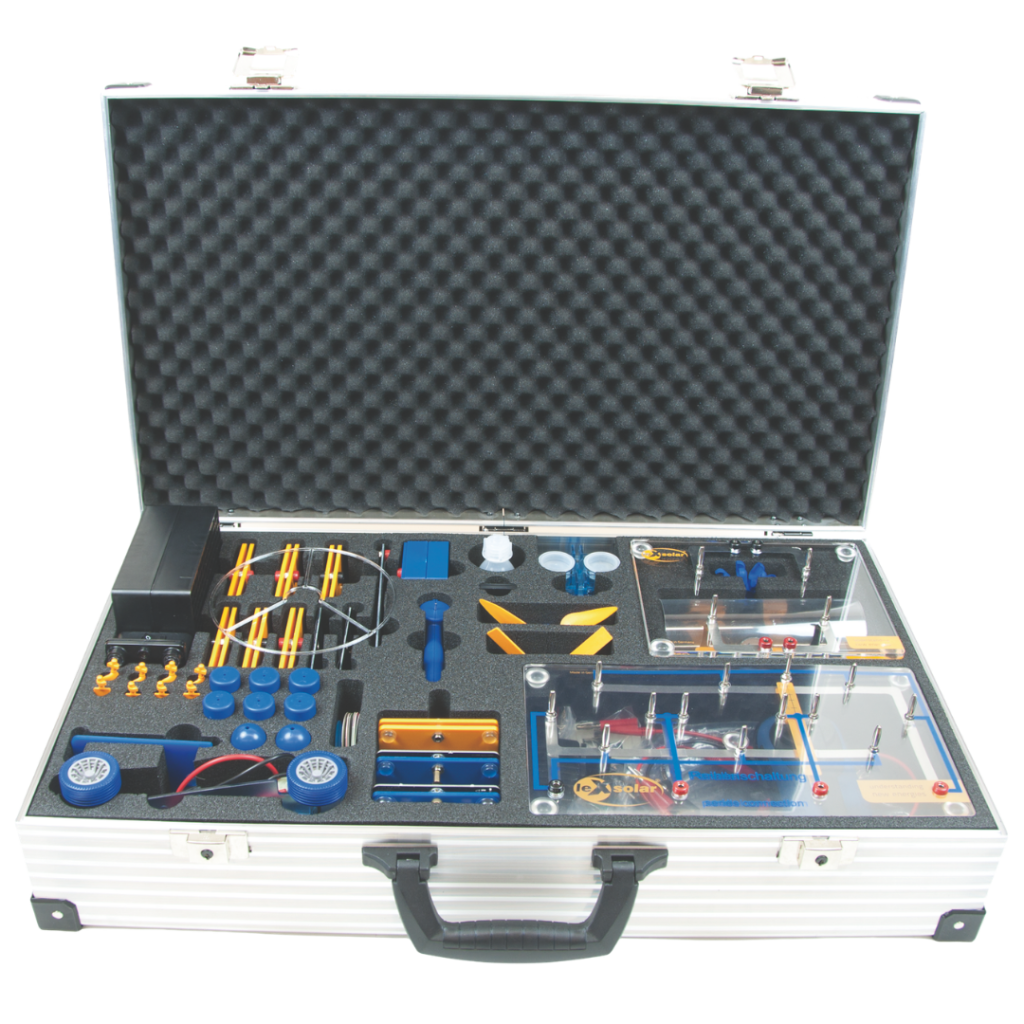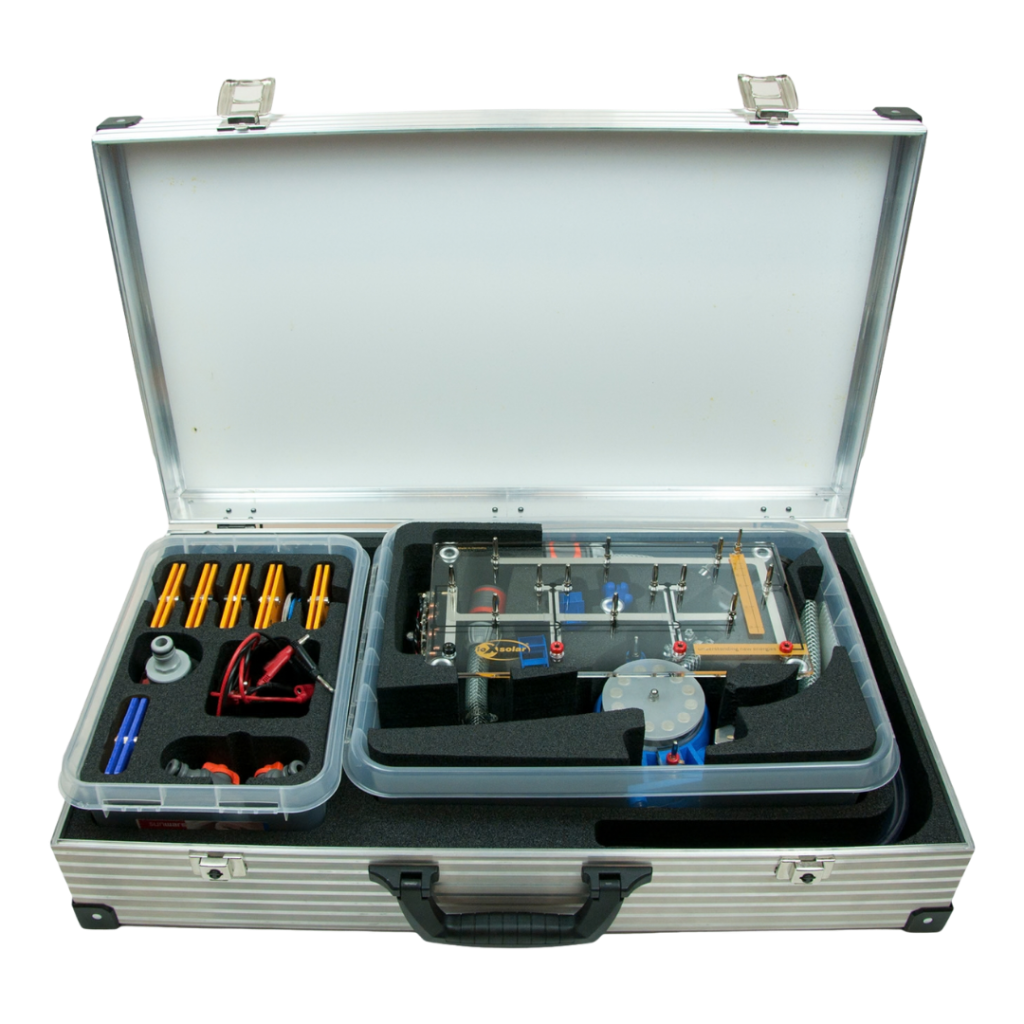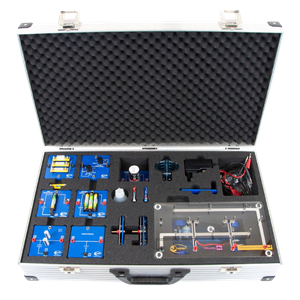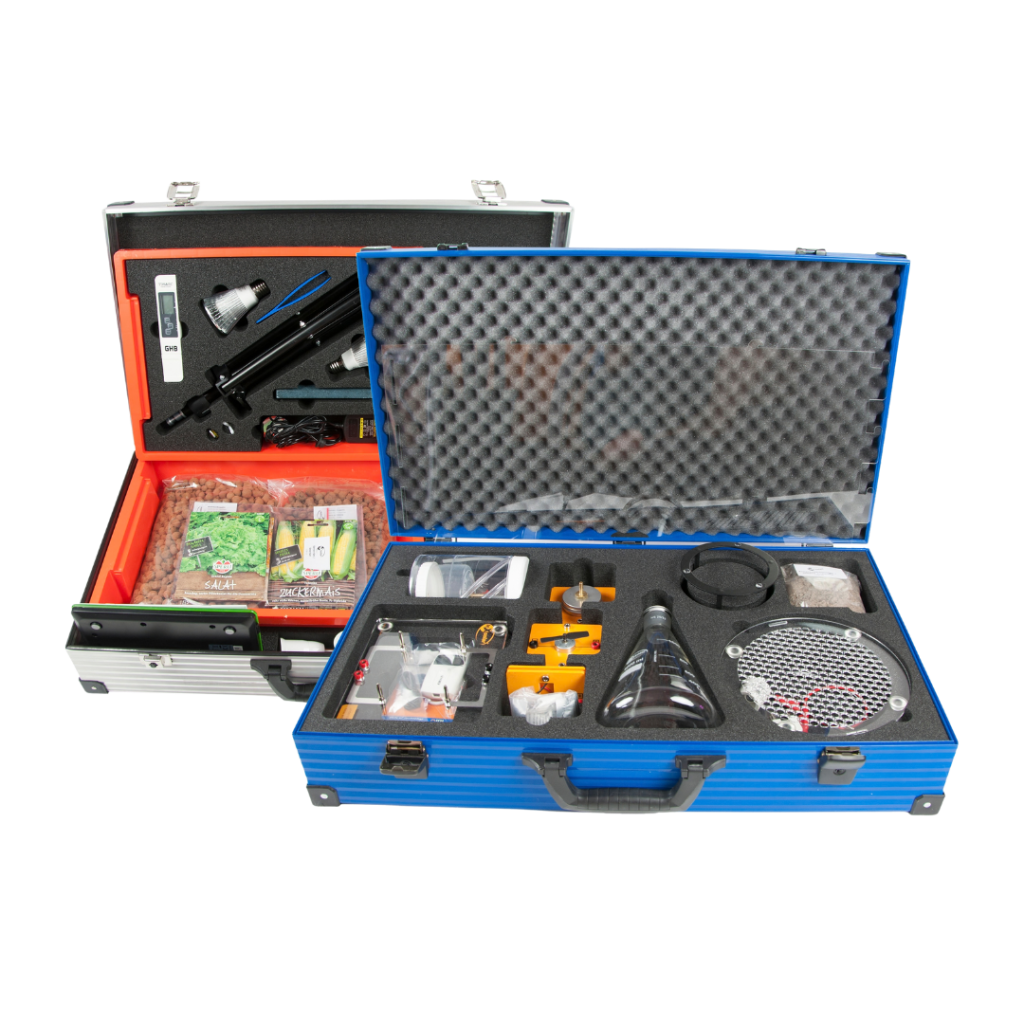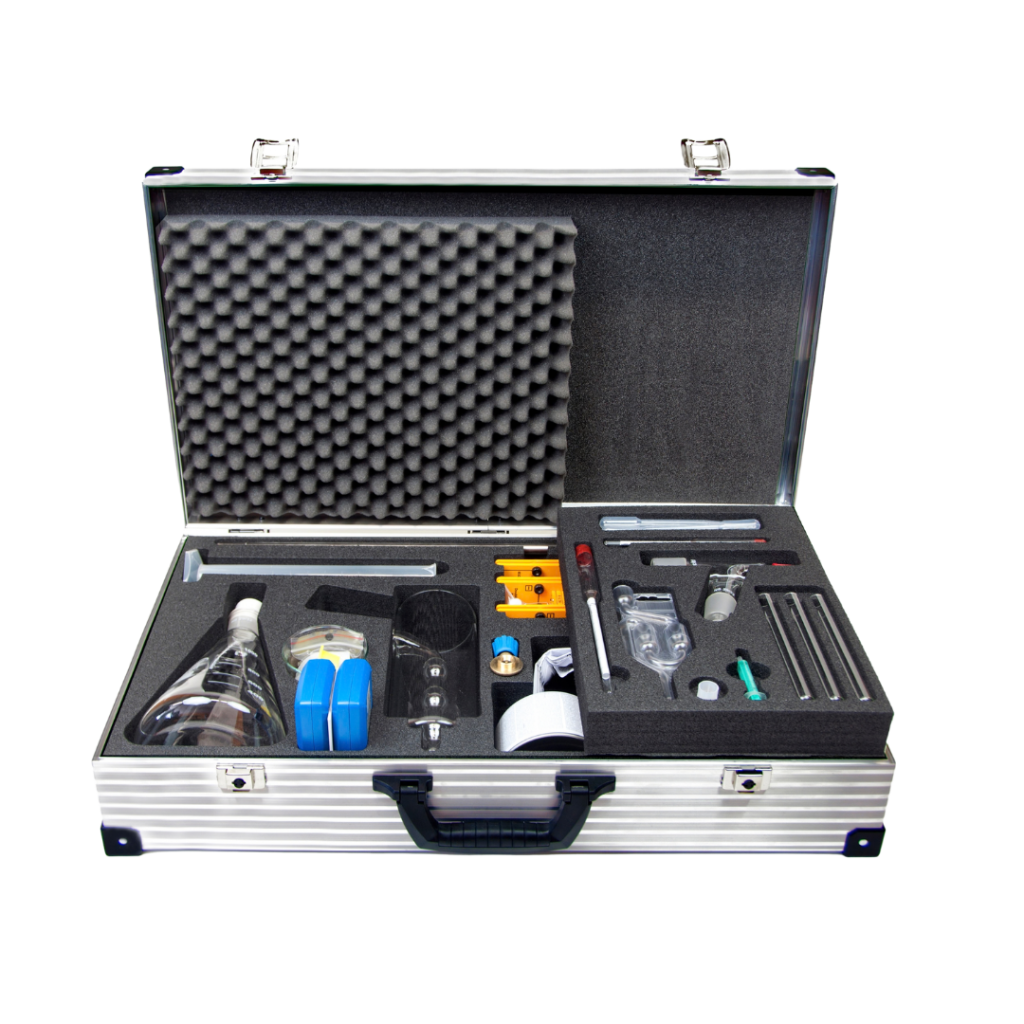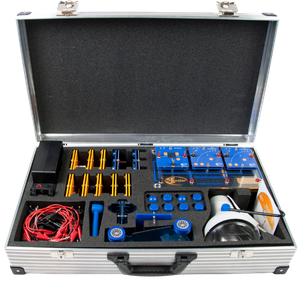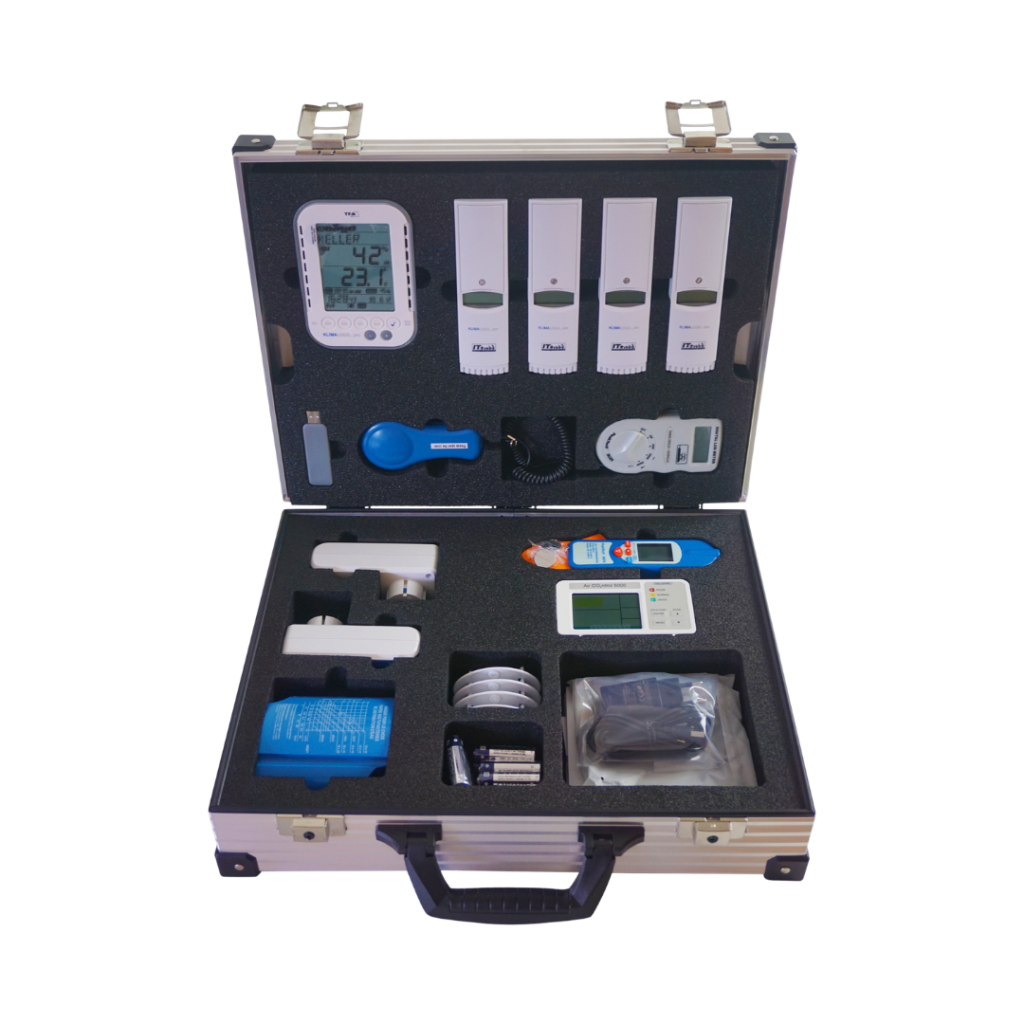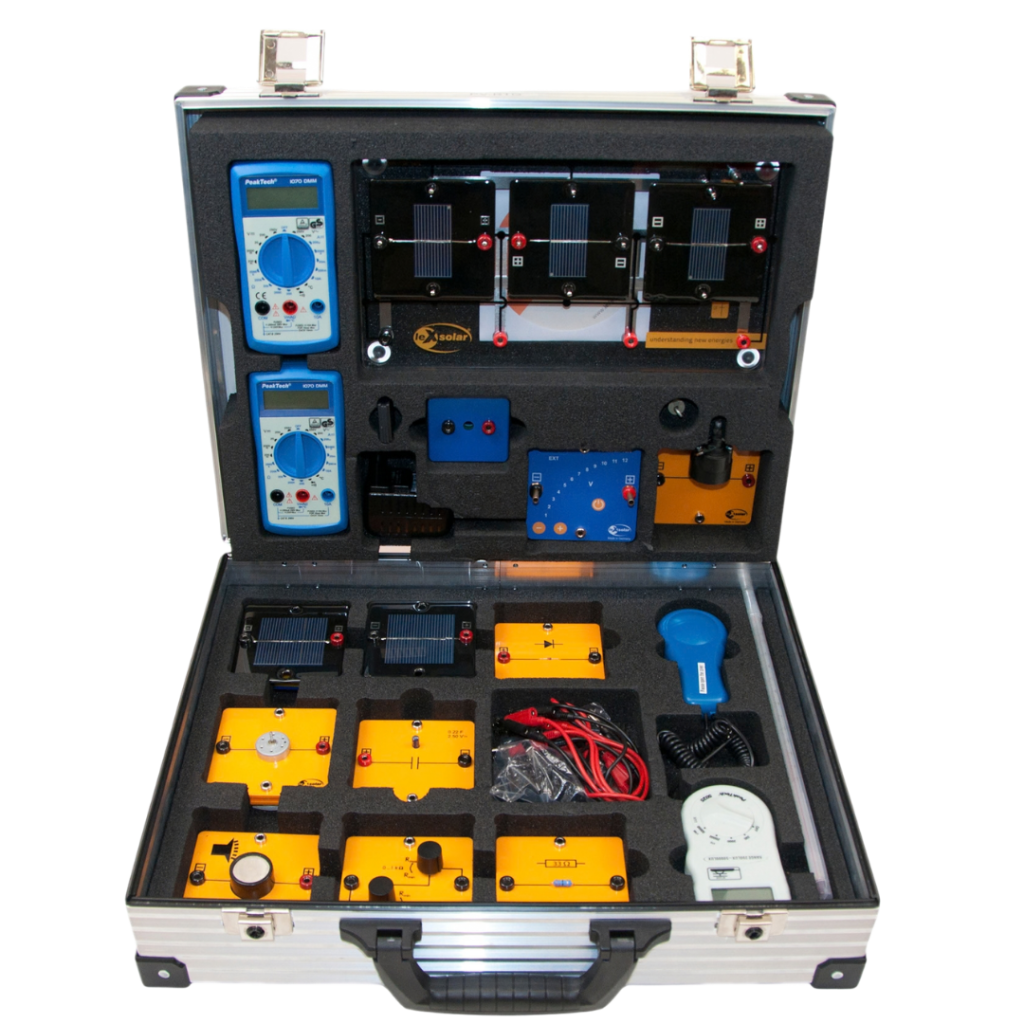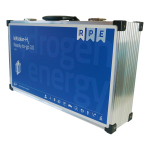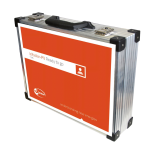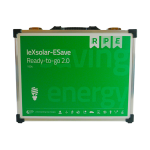
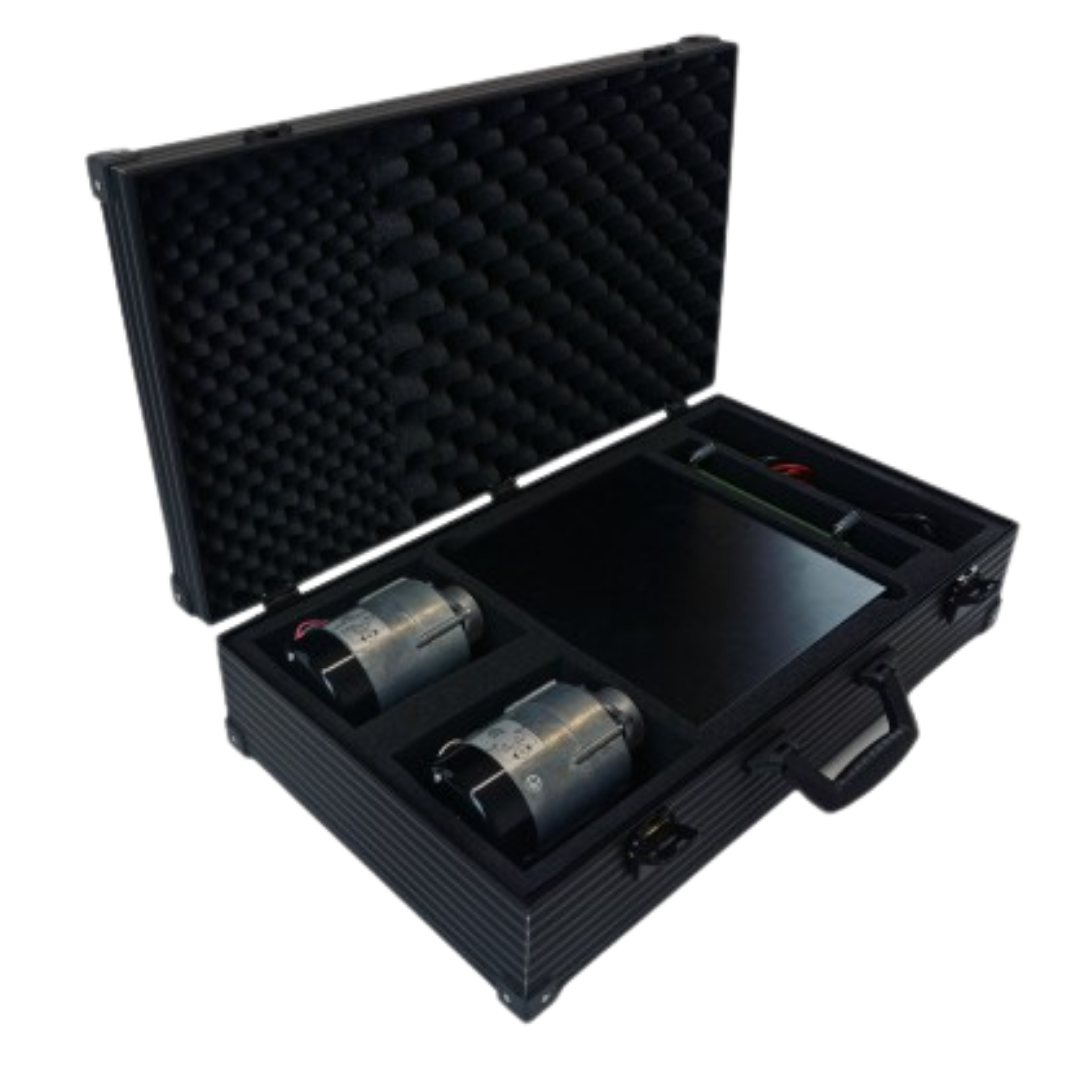
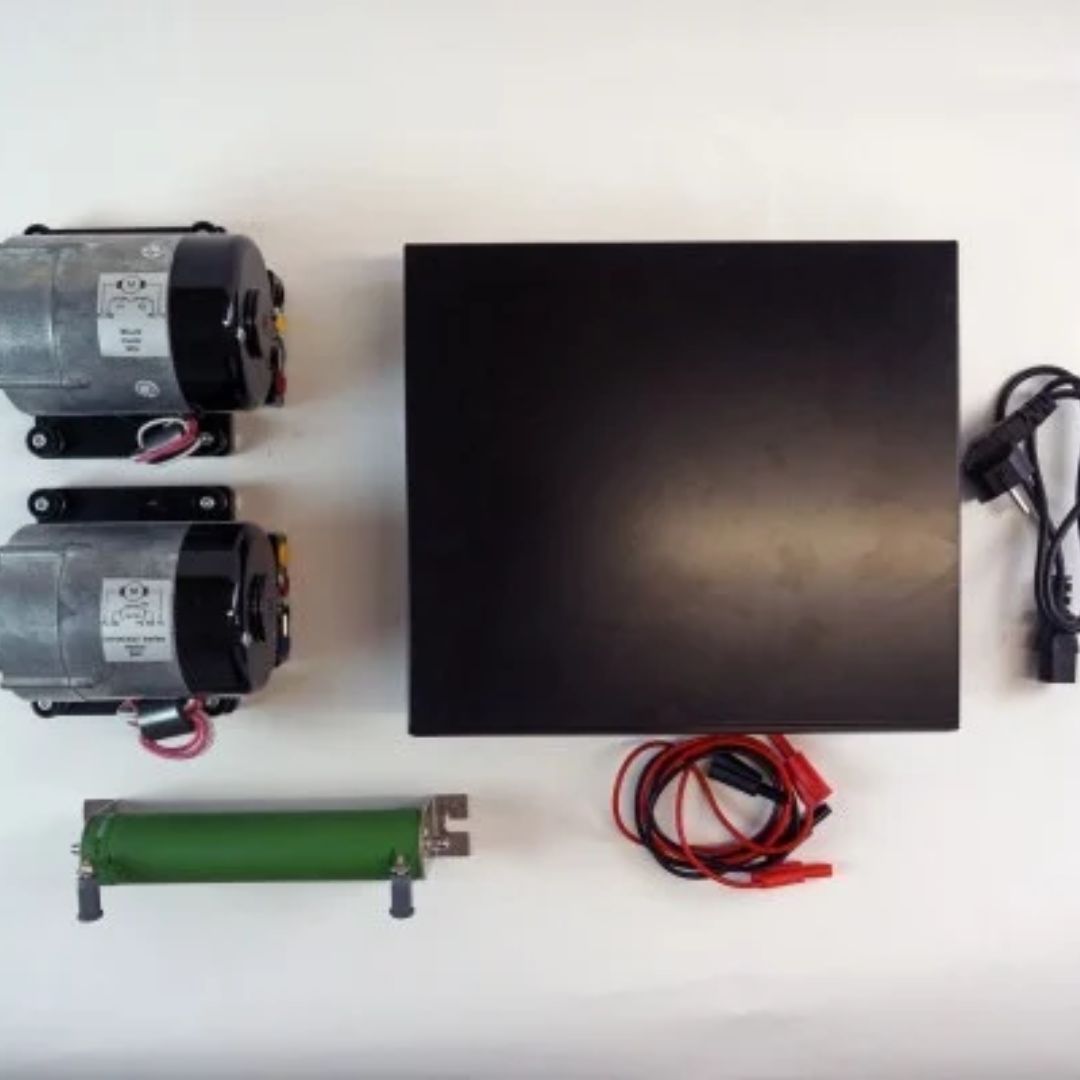
Battery systems and electric motors are two fundamental building blocks of electric mobility and electromechanical technology. The EMobility Expert 2: Battery & DC Motor Training Kit brings these topics together in a hands-on system that helps students connect electrical energy storage with motor operation and performance.
Students begin by exploring different battery chemistries and fundamental electrical concepts, including series and parallel cell configurations, internal resistance, battery capacity, charging, and discharge behavior. By generating and comparing discharge curves, learners can investigate how battery characteristics influence the way electrical energy is stored and delivered.
The system then introduces DC motor technology through investigations of shunt-wound, series-wound, and universal motors. Students examine motor characteristics, compare shunt and series configurations, and develop an understanding of how motor design influences operating behavior. Together, these activities provide a practical foundation for additional study in electric mobility, electrical engineering, motors, and drive technology.
Features
- Combines battery and electric motor fundamentals in one hands-on training system for electrical and electric mobility education.
- Explore battery chemistries and configurations while investigating series and parallel cell connections.
- Analyze battery performance through capacity, internal resistance, discharge curves, and discharge behavior experiments.
- Investigate battery charging to understand fundamental energy storage and charging principles.
- Compare multiple DC motor technologies including shunt-wound, series-wound, and universal motors.
Battery Technologies
Explore different battery chemistries and understand how battery technology influences electrical characteristics and performance.
Series & Parallel Cells
Investigate series and parallel cell configurations and understand how electrical connections influence battery system behavior.
Internal Resistance
Examine internal resistance and understand its relationship to battery performance and electrical output.
Battery Capacity
Investigate battery capacity and develop an understanding of how stored electrical energy is measured and evaluated.
Charging & Discharging
Explore battery charging and analyze discharge behavior using experimentally generated discharge curves.
DC Motor Fundamentals
Develop an understanding of basic DC motor operation and the relationship between electrical input and electromechanical output.
Shunt & Series Motors
Investigate the operating characteristics of shunt-wound and series-wound motors and compare their behavior.
Universal Motors
Explore universal motor operation and compare the technology with other motor configurations.
Program Integration
leXsolar’s portable green energy learning systems are designed to supplement classroom instruction with engaging, hands-on STEM investigations that connect scientific theory to real-world applications. Each system supports inquiry-based learning through structured experiments that encourage observation, measurement, analysis, and problem-solving.
Included educational resources support both students and instructors with:
- Hands-on experimental activities
- Student investigation guides
- Instructor manuals
- Experiment setup and implementation support
This flexible approach lets educators integrate hands-on learning into science, technology, engineering, energy, and career and technical education programs while reinforcing key curriculum concepts through experimentation.
EMobility Fundamentals: Battery & DC Motor Training Kit Product Details
This battery and motor training system supports investigations involving:
- Battery chemistry
- Individual battery cells
- Series cell configurations
- Parallel cell configurations
- Battery internal resistance
- Battery capacity
- Battery discharge characteristics
- Battery charging
- DC motor technology
- Shunt-wound motors
- Series-wound motors
- Universal motors
- Motor characteristic measurements
- Comparative motor performance investigations
Typical Practical Tasks
- Compare different battery chemistries
- Connect battery cells in series
- Connect battery cells in parallel
- Investigate battery internal resistance
- Determine battery capacity
- Generate and analyze battery discharge curves
- Compare battery discharge behavior
- Investigate battery charging
- Explore the fundamentals of shunt and series motors
- Generate shunt-wound motor characteristics
- Generate series-wound motor characteristics
- Investigate universal motor operation
- Compare shunt-wound and series-wound motor performance