Engineering Construction Kit

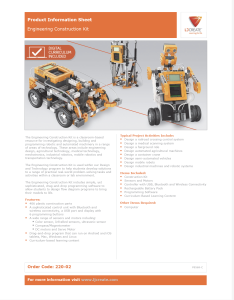
Build foundational engineering skills through hands-on construction, problem-solving, and design challenges with this project-based kit.

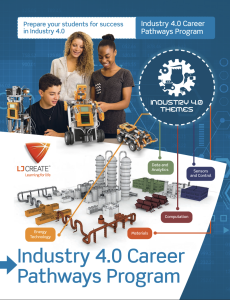
This engineering project kit is used as part of the LJ Creates Design and Technology Program, the Industry 4.0 Career Pathway, and the Mechatronics programs, or as a standalone learning system.

- +

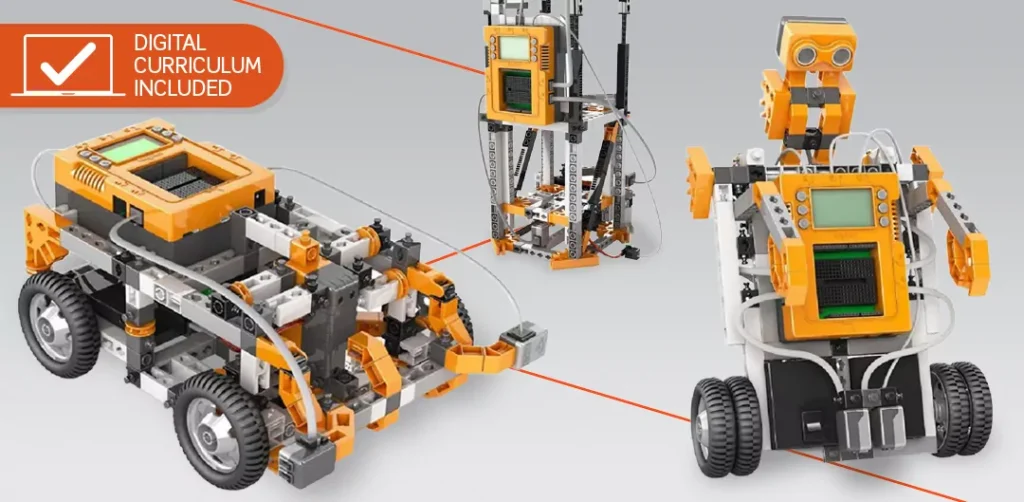
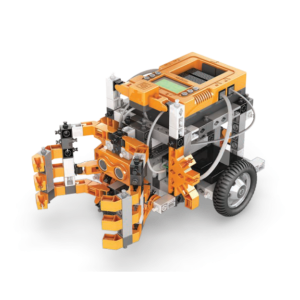
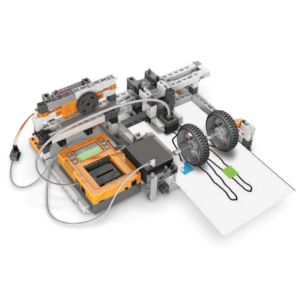
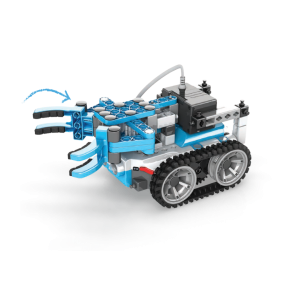
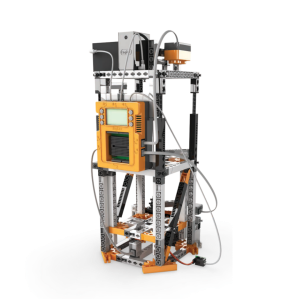
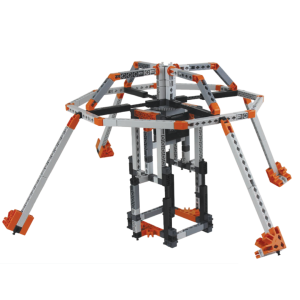
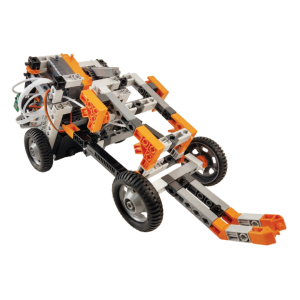
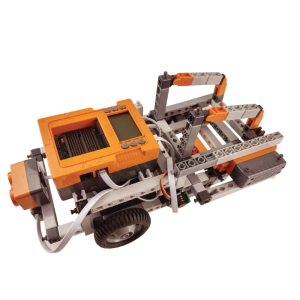
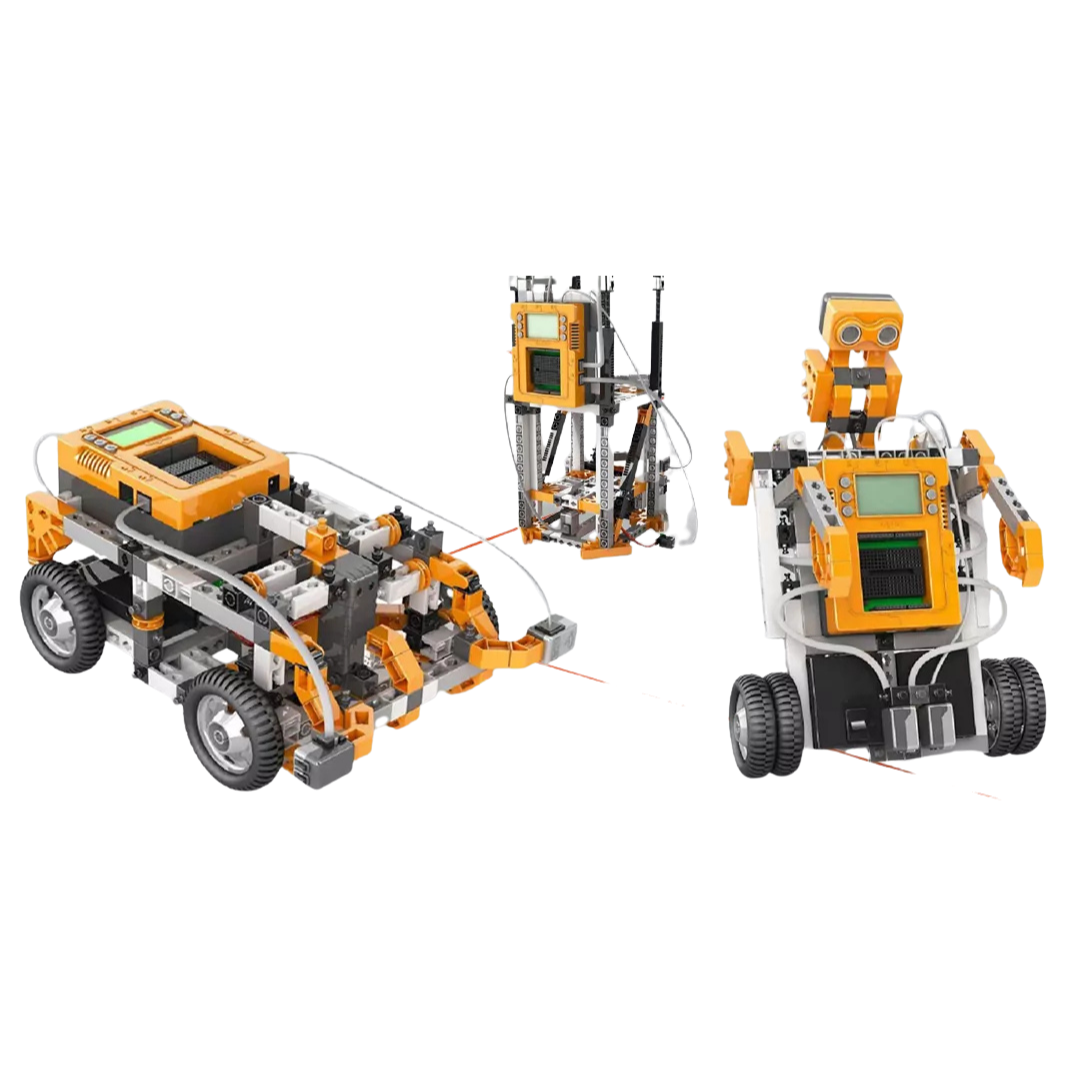
The Engineering Construction Kit (220-02) is a hands-on learning system that introduces students to fundamental engineering concepts through structured building and design activities. This project kit can be used as part of LJ Create’s Design and Technology Program, Industry 4.0 Career Pathway, and Mechatronics programs or as a standalone learning system. Using a wide range of mechanical components, learners construct working models while exploring core principles such as force, motion, structures, and mechanical systems.

This engineering kit supports active, project-based learning, allowing students to apply engineering design processes as they build, test, and refine their solutions. Ideal for STEM and pre-engineering programs, the Engineering Construction Kit helps bridge the gap between theoretical concepts and real-world applications.

Features

  • Hands-on engineering construction kit
  • Supports STEM and pre-engineering programs
  • Wide variety of reusable mechanical components
  • Encourages problem-solving and design thinking
  • Project-based learning activities
  • Ideal for classroom or lab environments
  • Supports individual and group learning

Using the Engineering Construction Kit, students can develop skills in:

Engineering Design Process

Plan, build, test, and refine mechanical systems using structured problem-solving methods.

Mechanical Systems and Structures

Understand how components interact to create stable and functional systems.

Forces and Motion

Explore basic physics concepts, including force, movement, and mechanical advantage.

Problem Solving and Critical Thinking

Develop solutions to engineering challenges through iterative design.

Collaboration and Communication

Work in teams to design, build, and present engineering solutions.

Curriculum & Program Integration

The Engineering Construction Kit aligns with LJ Create’s Industry 4.0 Career Pathway Program, the Design and Technology program, as well as the Mechatronics program, allowing schools to integrate this kit into a larger structured learning pathway focused on modern manufacturing, construction, IT, and more.

The curriculum for this learning system includes:

  • Hands-on training experiments and activities
  • Interactive online curriculum and instructional resources
  • Teacher support materials and guided learning content

The Engineering Construction kit can be implemented as a standalone learning system or combined into larger pathway-based programs to support scalable STEM and technical education initiatives.

Engineering Construction Kit (220-02) Product Details

System Includes

  • Construction Kit
  • Sensors and Motors
  • Controller with USB, Bluetooth, and Wireless Connectivity
  • Rechargeable Battery Pack
  • Programming Software
  • Curriculum-Based Learning Content

Requirements:

  • Computer


What is the Design and Technology Program?

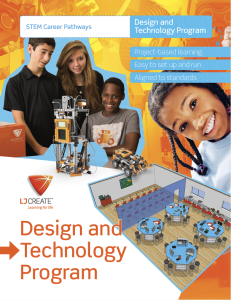
The Design & Technology program is a comprehensive, project-based learning experience that blends teaching resources, eLearning, and virtual tools, and hands-on projects to engage students in grades 6-10. Through interactive lessons and real-world challenges, students build problem-solving, critical thinking, and teamwork skills. With flexible implementation and strong instructional support, educators can easily deliver an engaging, standards-aligned STEM experience in the classroom.

Teaching Resources

eLearning and Virtual Trainers

Hands-On Projects

Start with the Engineering Design Course

The Design & Technology program begins with the Engineering Design course, providing foundation in STEM concepts and technology before progressing into additional courses or the full program.

In this course, students build essential skills they will use throughout their learning experience, including:

  • Applying the engineering design process to solve real-world problems
  • Documenting and communicating each stage of the design process clearly and effectively
  • Generating, evaluating, and refining potential solutions

Mix and Match to build your program!

This program is extremely flexible, with 16 design projects covering over 200 class periods that you can incorporate into new or existing programs. Each design project introduces students to a different STEM career field.

Agricultural Technology

In the Agricultural Technology course, students will:

  • Investigate the development of agricultural technology and its impact
  • Explore the application of biotechnology in agriculture
  • Design a series of automated agricultural machines and environmental control systems

In the Automotive Technology course, students will:

  • Explore the operation of automotive electrical systems
  • Learn about the operation of internal combustion engines, transmission systems, brakes, and steering and suspension
  • Verify operation and troubleshooting by taking electrical measurements

In the Biomedical Technology course, students will:

  • Explore the impact on society of medical advances such as sanitation and vaccination
  • Investigate genetic engineering and medical scanning as examples of biomedical technology
  • Design and develop a control system for a medical scanning machine

In the Computer Science course, students will:

  • Explore techniques for algorithm development, including the use of problem-solving techniques, flowchart design, and pseudo-code
  • Design algorithms, and then develop and test programs to control an expandable mobile robot

In the Construction Engineering course, students will:

  • Explore how structures are designed to withstand the forces imposed on them due to the weight of the structure, the building contents, and natural events such as earthquakes and weather
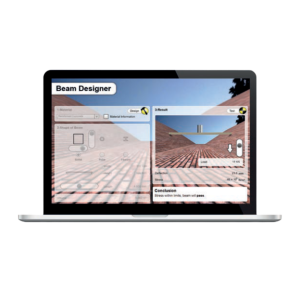
  • Investigate how beams are used in construction, and design a series of beams using different materials

In the Electronics Technology course, students will:

  • Explore the design, development, and production of electronic systems
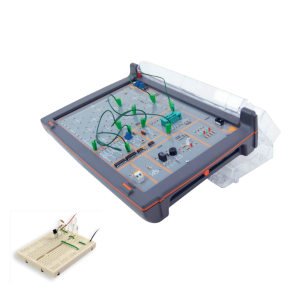
  • Use simulation tools to model electronic circuits and develop a series of electronic circuits using the systems approach

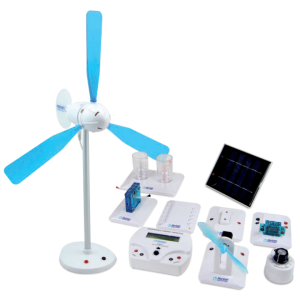
In the Energy Generation course, students will:

  • Explore how electricity is generated in fossil-fuel power plants
  • Investigate a range of sustainable methods of power generation, including wind, solar, geothermal, hydro, and nuclear power
  • Design a series of plans for sustainable power generation via simulation

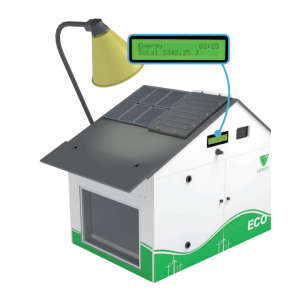
In the Energy in Buildings course, students:

  • Discover how energy is used in modern buildings and explore technology that helps reduce the energy used in buildings, including glazing, insulation, and heat pumps
  • Explore how renewable energy generation can be used to provide energy for buildings

In the Industrial Robotics course, students will:

  • Explore the deployment of industrial machines and their impact on society
  •  Investigate the basic components of robotic systems and design a series of automated robotic systems to solve industrial problems

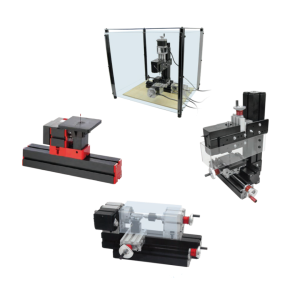
In the Machine Tool course, students will:

  • Discover how machine tools, such as saws, lathes, and mills, are used to convert materials into useful products
  • Explore how CNC machines can be used to automate the manufacture of product parts

In the Manufacturing Technology course, students will:

  • Investigate how products are manufactured by processing materials
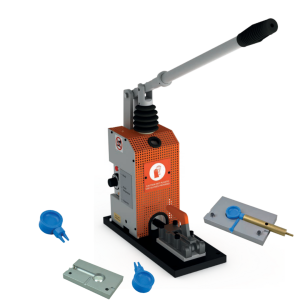
  • Explore the process of plastic injection molding and design and produce a series of injection-molded products

In the Marketing and Sales course, students will:

  • Explore how marketing is used to develop sales for engineered products and services
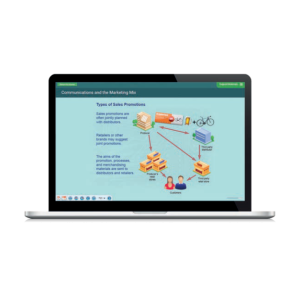
  • Investigate how advertising and pricing can be used to promote sales of products, and investigate the process by which the products are sold and distributed to customers

In the Mechatronics course, students will:

  • Explore basic mechanical principles, including simple machines such as gears, pulleys, and levers
  • Design and develop solutions to a range of engineering problems using mechanical systems
  • Investigate the principles of fluid power and its application in construction machines

In the Mobile Robotics course, students will:

  • Explore applications of mobile robotic systems and investigate how mobile robotic systems are powered and controlled
  • Design a series of mobile robotic systems to meet a design brief

In the Rapid Manufacturing course, students will:

  • Investigates the use of 3D printing and injection molding as part of the rapid manufacturing process
  • Explore how 3D printers can be used to produce tooling for manufacturing, and design and develop tooling for injection molding
  • Design and manufacture a plastic product using 3D printing and an injection molding machine

In the Transportation Technology course, students will:

  • Investigates the development of transportation technology and its impact on society
  • Explore the fundamental principles of transport technology and apply the physical science concepts to design transportation systems

Career Pathways

Each course provides college and career readiness instruction for STEM pathways, like:

Agriculture Technology

Architecture & Construction

Business, Management & Administration

Health Science

Information Technology

Manufacturing

Marketing, Sales & Service

Science, Technology, Engineering, & Mathematics

Learn more about the Design and Technology Program

The full program includes 17 project-based courses. Each course includes:

  • A presentation to introduce the course and identify career pathways
  • Pre & Post Tests
  • Set of lessons including: theory presentations, and hands-on activities

With the design and technology course, you can implement the full program, or just individual courses or trainers. The flexible structure allows it to fit in well as a whole class activity, pod rotations, or even just as supplemental curriculum for your class. 

More Complete Programs

 LJ Create has a variety of different program areas, including mechatronics, industry 4.0, engineering, automotive, and more!

Scroll to Top